Tag: Carina Stöttner

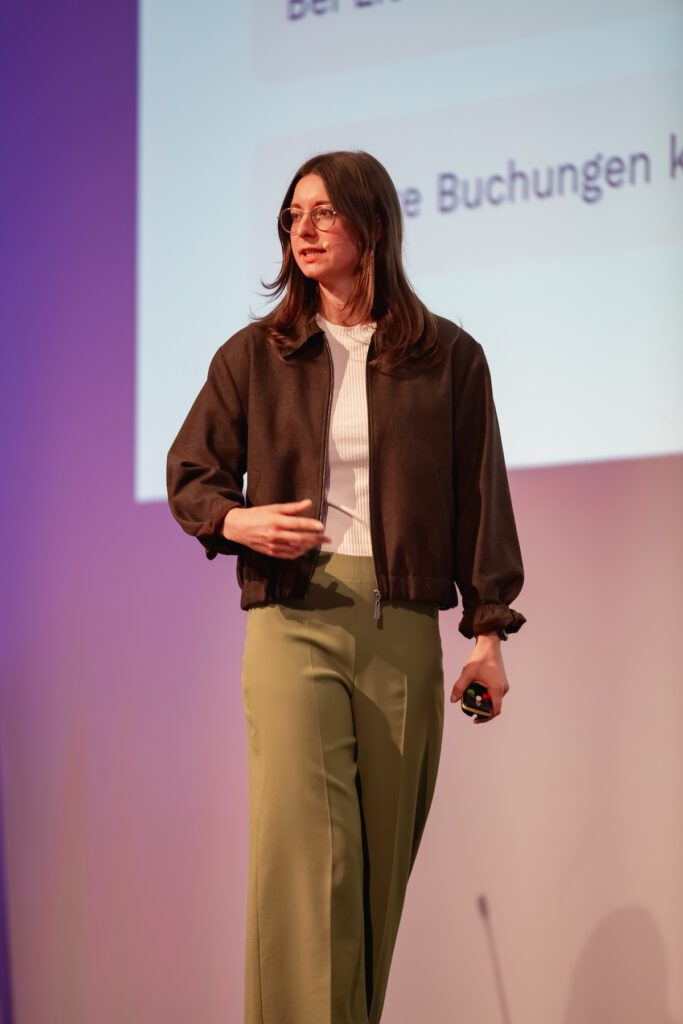
Carina Stöttner at Digital ConnecT: Thinking AI from a human perspective

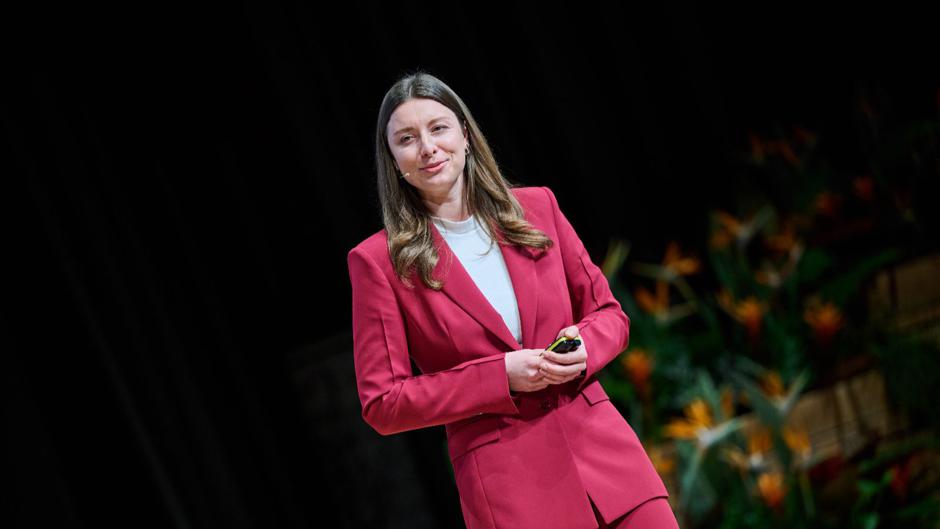
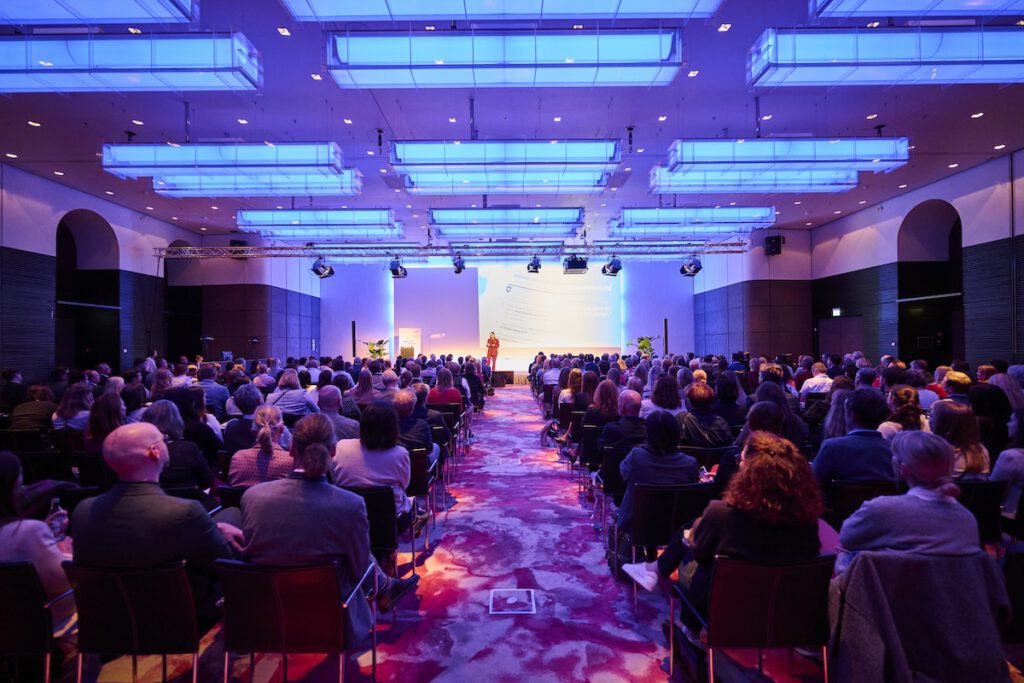
The future of work will not be shaped by technology alone, but by the interplay between people, creativity and artificial intelligence. With this thought, futurist Carina Stöttner, CEO and founder of Futurewise Company, closed the third edition of Digital ConnecT at the Four Points by Sheraton in Bolzano on 7 October.

The motto of the day: concrete methods only, from promises to results. Raffaele Gaito opened the event with his concept of the “AI Mindset”: successful use of AI is first a question of attitude, and only then a question of technology. Stöttner picked up on this idea in the evening. Throughout the day, the focus was on AI strategy, marketing, automation and cybersecurity, with hands-on experience and transferable methods from international experts.

In her keynote, Stöttner looked ahead. Which AI tools are available to companies today, and which will be in the near future? And which human skills remain irreplaceable, despite all the progress? Her talk centred on three key learnings.

1. Start with people and their work, then ask where the greatest value lies

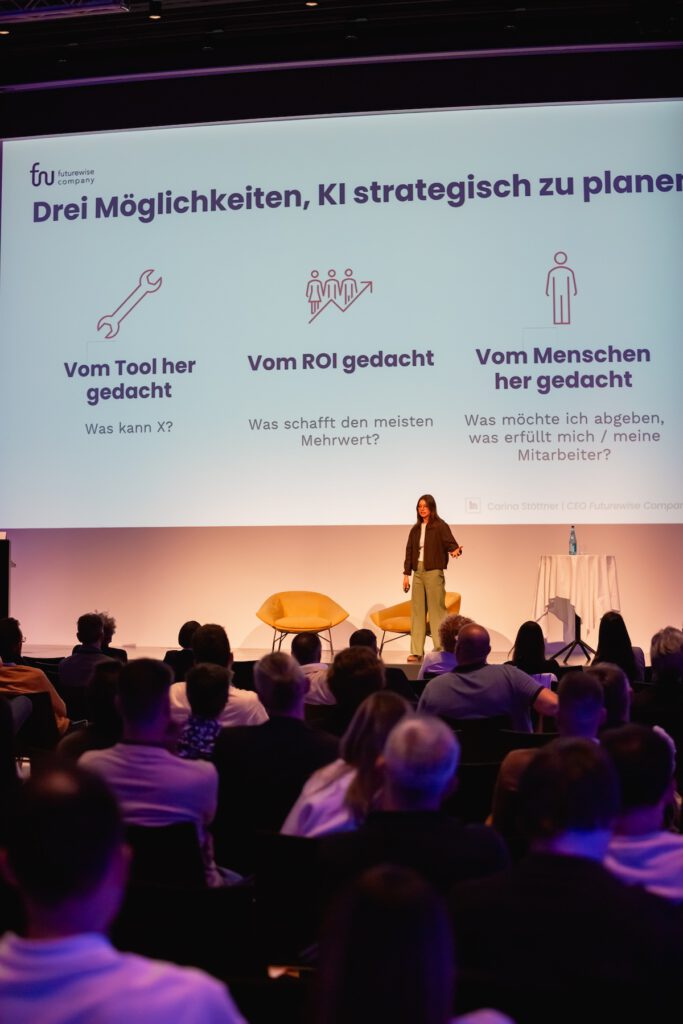
When companies introduce AI, there are roughly three ways to approach it. You can start with the tool, with the greatest value for the business, or with people and the work they do. Most companies begin with one of the first two.

Stöttner cited entrepreneur Lukas Dieterle as an example. He looked at people and their tasks first. Only then did he ask where AI could create the most value.

She shared his guiding questions with the audience as food for thought for their own organisations:

  • What are people proud of?
  • What fits our values and the way we want to be seen?
  • What do people actually enjoy doing?

The answers show which tasks should stay with people, and where AI can genuinely lighten the load.

Key takeaway: A strategic approach to AI that starts with people maximises both satisfaction and the value of the technology.

2. Time freed up needs space for human connection, not even more tasks

AI doesn’t necessarily save time, Stöttner stressed. Above all, it produces more output in less time. What happens with the time gained is a conscious choice.

If companies fill it with even more tasks, a spiral begins. AI then amplifies exactly the acceleration described by sociologist Hartmut Rosa. We get faster, but not necessarily better.

Stöttner’s recommendation: deliberately set aside part of the time gained for genuine human interaction. That is where something emerges that no machine can deliver: new thinking, creativity and new areas of growth. And people stay at the centre of the workplace.

Key takeaway: Productivity needs to be balanced with spaces for resonance.

3. AI is never neutral, so companies need to feed in their values

“AI only knows our world as far as we feed it,” says Stöttner. Data and training determine the outcome. Ignore that, and you adopt the biases hidden in the data without question.

From this, she derived three tasks for companies:

  1. Recognise bias. Understand which data and training sit behind a model.
  2. Clarify goals. What does the company want to achieve with AI? And how do its goals, convictions and values flow into the model?
  3. Avoid risks. Otherwise AI may run counter to employment law or the company’s own guidelines, and squander customers’ trust.

Key takeaway: Become aware of the values and biases in our decisions, and deliberately build them into the models.

Conclusion: The future emerges from the interplay

The tools are becoming ever more powerful, and that’s a good thing. But according to Stöttner, what makes the difference is how they are used: with people at the centre, with room for human connection, and with clear values. That is exactly where the irreplaceable skills lie.

Digital ConnecT is a joint initiative of IDM South Tyrol, the South Tyrol Trade and Services Association (hds), CNA-SHV South Tyrol, the South Tyrol Business Association (UVS), the Hotel and Restaurant Association (HGV), the South Tyrolean Farmers’ Association (SBB), the Crafts and Services Association (lvh.apa), Confesercenti South Tyrol and NOI Techpark.

The question Stöttner left the audience with: in your own company, is AI approached from the tool, from the value, or from people?

The event was held in German and Italian, and the presentation was designed to be bilingual.
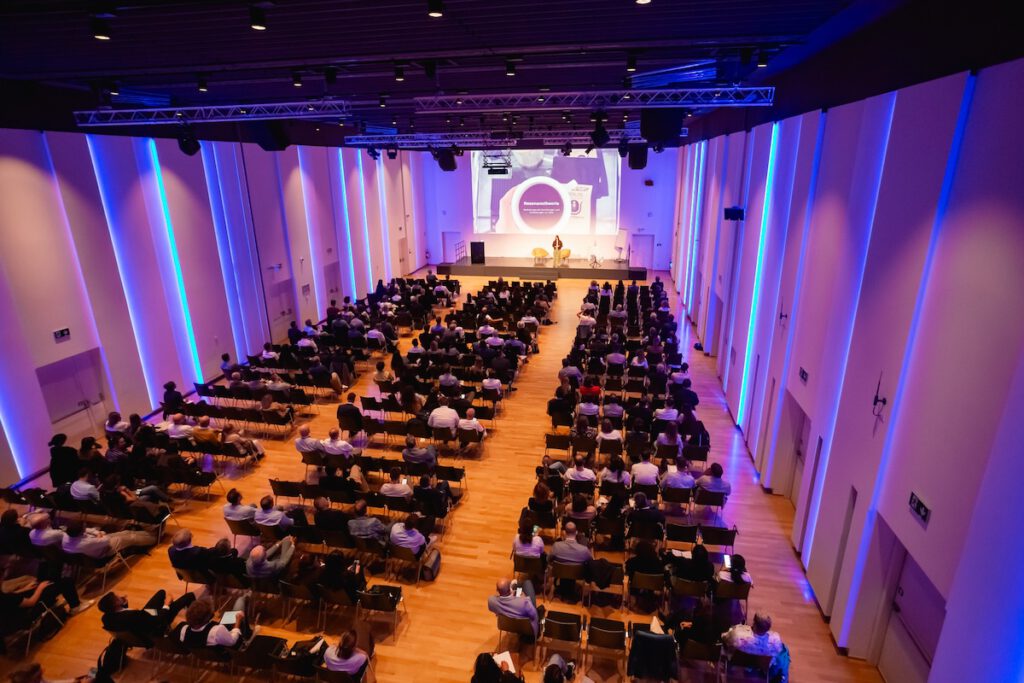
Thinking Ahead, Shaping Change: Carina Stoettner at the International Foodservice Forum 2026

On 12 March 2026, Hamburg once again became the center of the European foodservice industry. At the International Foodservice Forum at the Congress Center Hamburg — traditionally held the day before Internorga — decision-makers from across Europe came together to discuss the future of the out-of-home market.

Among them: Carina Stoettner, futurist and founder of the Futurewise Company, who took the stage to deliver the closing keynote. The booking was arranged through the speaker agency Premium Speakers.

Europe’s biggest industry gathering — and a look ahead

The Foodservice Forum is one of the sector’s most influential agenda-setters. It isn’t only about trends but about strategic questions: how is consumption changing? What business models are emerging? And how does hospitality stay relevant over the long term?

The 2026 program reflected exactly that range. Speakers included:

  • Erik Meijer — a wake-up call from the world of professional sport
  • Katrin Wißmann — analysis of the top 100 players in the sector
  • Jochen Pinsker — on the potential of the out-of-home market
  • Benjamin Bargetzi — on neuroscience and AI
  • Jan Knikker — on hospitality in the 15-minute city
  • Jacek Trybuchowski — on international growth
  • Yotam Ottolenghi — in a fireside chat on creativity and food culture

Panels, start-up pitches and best-practice sessions rounded out the program — from Asian urban cuisine to stadium catering.

A Taste of What’s Coming — Carina Stoettner’s closing keynote

Carina Stoettner brought the day to a close with her keynote: “A Taste of What’s Coming: Change as the Industry’s Greatest Opportunity.”

The focus wasn’t only on trends but on concrete questions about the future that operators need to answer strategically today:

  • Rethinking the customer base: how do you build an offer for a growing 65+ generation — affluent, active and with time on their hands?
  • Making use of superdiversity: what new formats emerge from cultural variety — around occasions like Lunar New Year, beyond the classic peaks?
  • Treating climate change as an opportunity: which new regional products are appearing — new German wine-growing regions, for instance?
  • Redefining the social role: can hospitality become more than a place to consume — a space for encounter, exchange and social cohesion?

Her central message: change isn’t only a challenge — it’s a strategic lever for new business models, new customers and renewed relevance.

Networking, inspiration and what comes next

Alongside the talks, the forum offered plenty of room for exchange — a decisive factor in an industry currently undergoing serious transformation.

A particular highlight followed on Friday evening as part of Internorga: around 400 invited guests gathered for the gala at the Grand Elysée Hamburg to celebrate outstanding concepts and individuals — among them Karls Erlebnis-Dörfer, Haferkater and Henry McGovern.

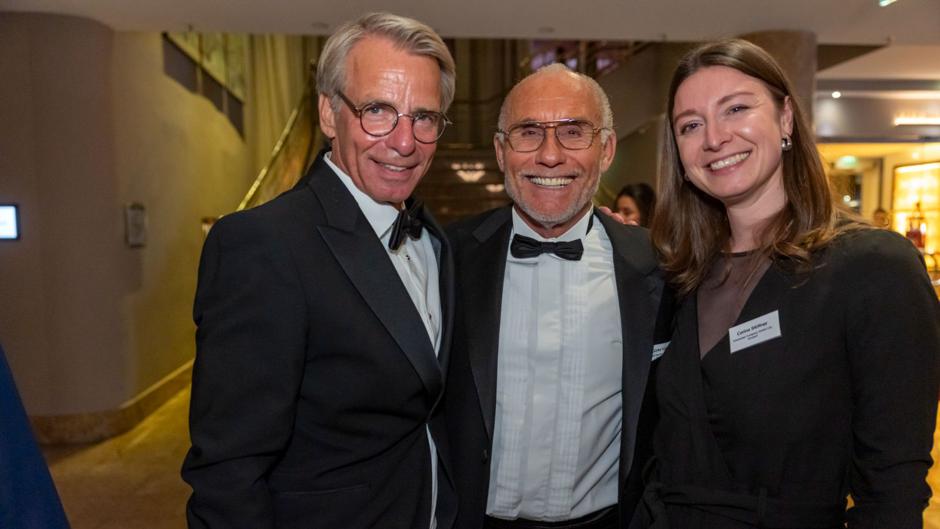
Stephan von Bülow and Carina Stoettner

Photo: Thomas Fedra

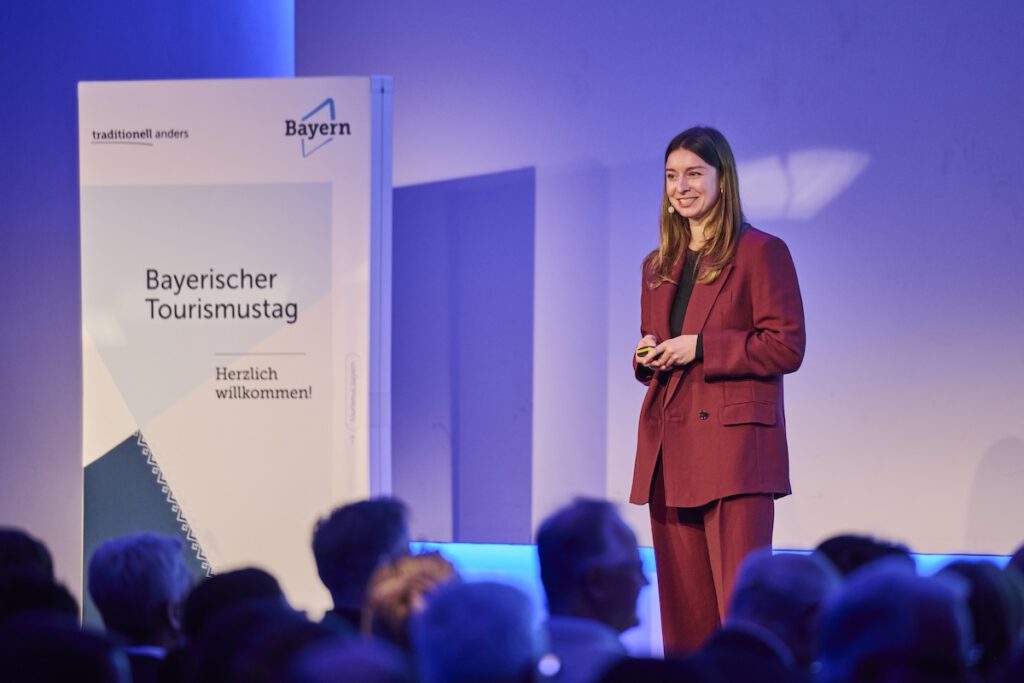
Keynote at the Bavarian Tourism Day 2025

The Bavarian Tourism Day 2025 was all about working together. Under the theme “From Talking to Doing: Cooperation as a Success Factor in Tourism”, one thing came through clearly: turning good ideas into lasting action only works collectively.

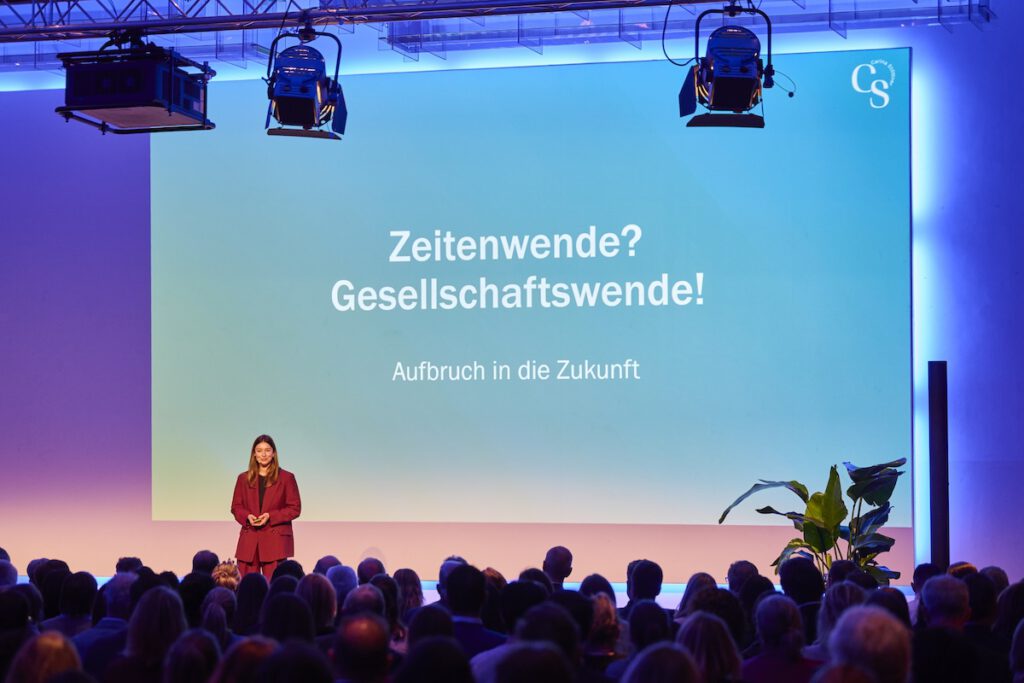
Carina Stoettner delivered the keynote, “Zeitenwende? A Society in Change,” inviting the audience to see change as an opportunity rather than a threat. The more complex our environment becomes, she argued, the more we need shared responsibility and new kinds of community.
The questions she explored:
➡️ Which social challenges do we have to overcome today in order to build a future worth living in?
➡️ What are the essential pillars of trust?
➡️ How can the “quiet majority” get louder — and why does that matter so much?
➡️ And how, in an age of AI and social media bubbles, do we get back to emphasizing what we have in common rather than what divides us?

Practical examples from Bavaria and beyond — Trans Bayerwald, the Übergangshaus Lübeck, the AzubiTopHotels and the Donaulimes museum network — showed vividly how cooperation works in practice and what it can achieve.

_____

Warm thanks to Barbara Radomski and the whole BayTM team for the invitation, to host Helena Felixberger for guiding the day with such charm — and to everyone who took part for the conversations along the way.

Photos: tourismus.bayern — Florian Trykowski