Shaping the Future Instead of Managing It — Spotting Opportunities and Acting on Them
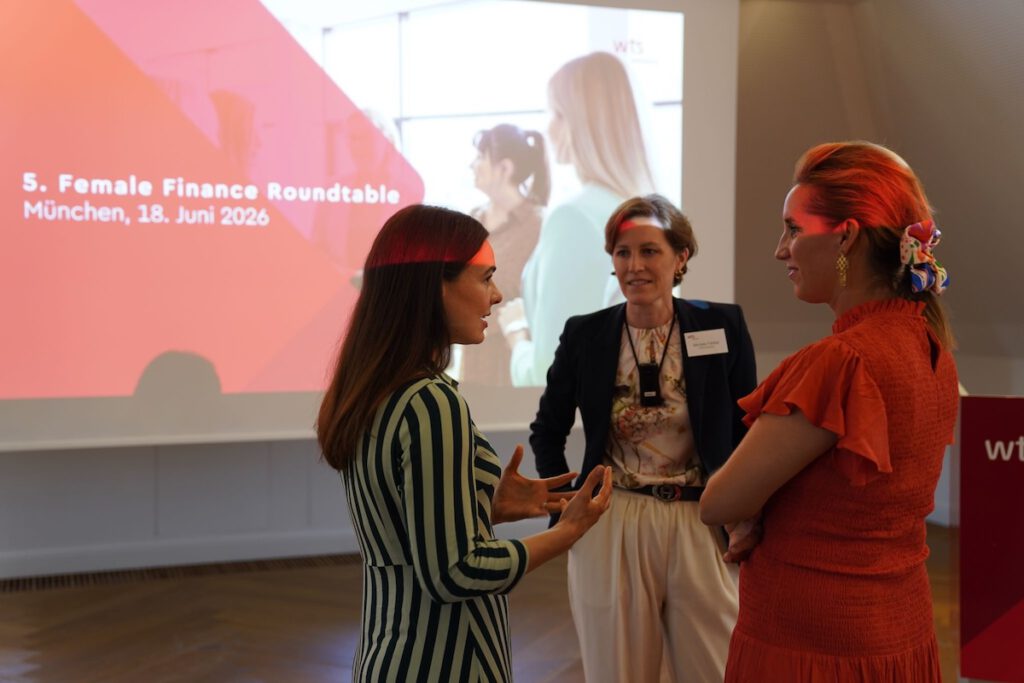
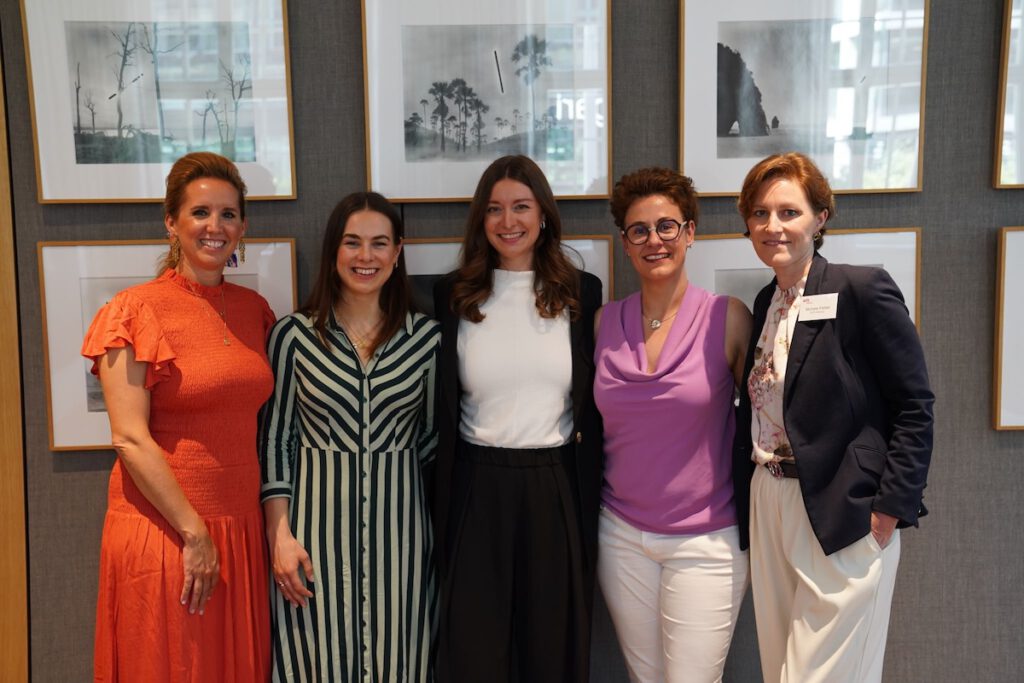
That was the theme of the fifth Female Finance Roundtable, held in mid-June 2026 and hosted by WTS Advisory. As in previous years, the event was full of thought-provoking talks, lively discussion and open exchange among the many women taking part.
One thing came through especially clearly: in challenging times above all, what matters is focusing on possibilities rather than risks, identifying where you actually have room to act, and treating change as an opportunity.
The future as a space full of opportunity
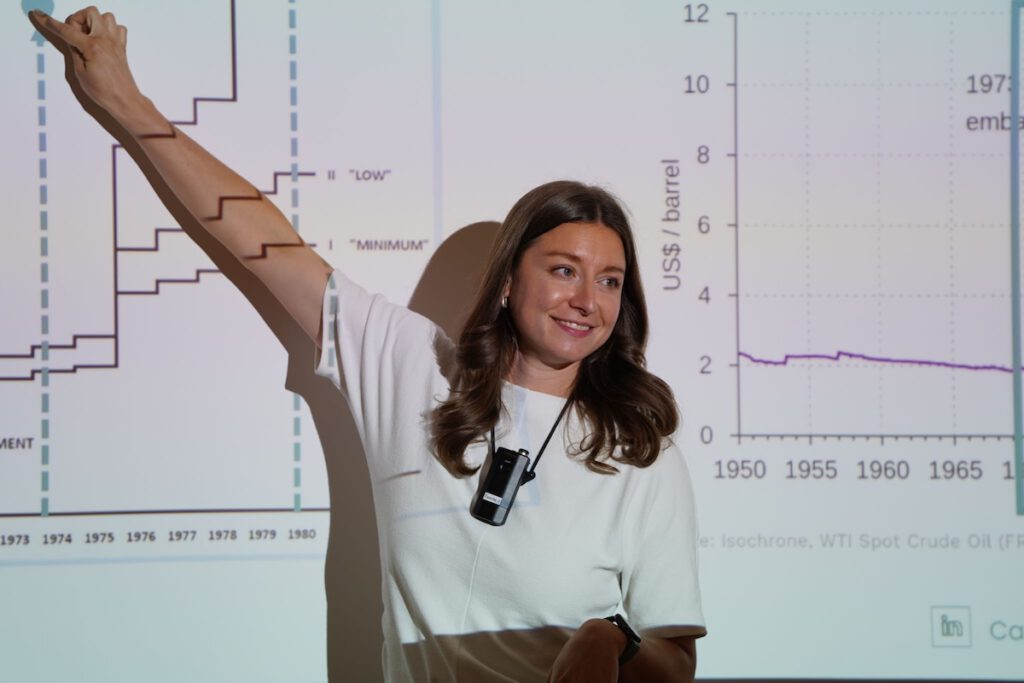
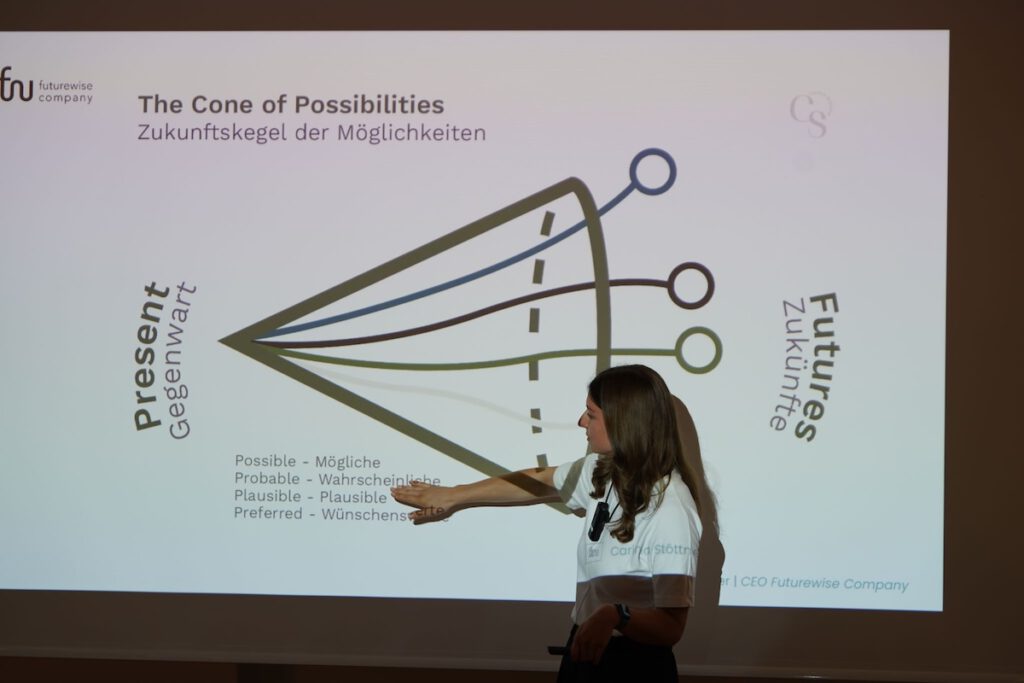
In her talk, Carina Stoettner made a compelling case for questioning established ways of thinking and seeing the future not as a threat but as something to be shaped.
Anyone who wants to shape the future actively has to get past their own patterns of perception first — above all the negativity bias and the normalcy bias, which lead us to overestimate risk and underestimate change.
The key is not to think in terms of the future but in terms of futures. Letting individual trends steer you less, and thinking in scenarios instead, expands your capacity to act considerably. And the distinction matters: scenarios aren’t forecasts. They don’t predict anything — they open up room to think.
Which requires one thing above all: time and space for new perspectives to emerge in the first place.
Sustainability as a strategic factor
Gyri Reiersen offered valuable insight into what sustainability and forward-looking action mean for companies and the people making decisions in them.
She showed vividly what a volcanic eruption in Iceland has to do with the emergence of democracy — a striking example of how profoundly ecological events can shape the course of societies.
She pointed to research suggesting that the share of uninhabitable land could rise from 1% to 19% by 2070, with roughly 3.5 billion people having to relocate as a result.
Artificial intelligence and sustainability, in her view, stand in a double relationship: in tension with one another on one hand, and on the other with real potential to complement each other — for instance where AI can bring sustainability data up to the standard of financial data far faster. Her conclusion: both AI and sustainability will be needed to stay competitive.