Opportunities for Industry: Carina Stoettner at the Audi Forum in Neckarsulm
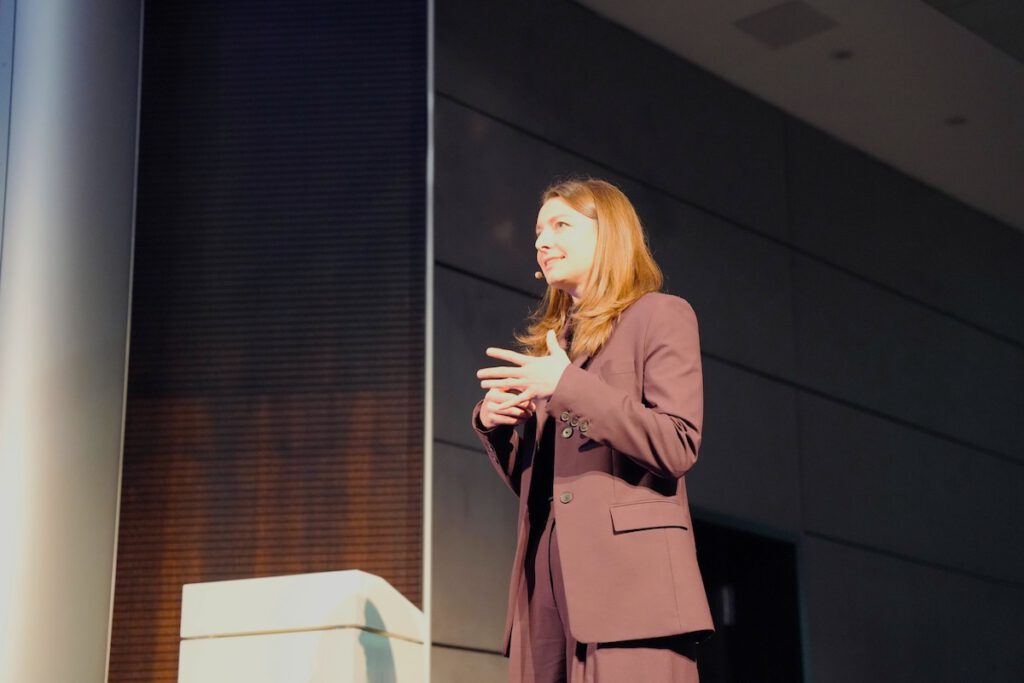
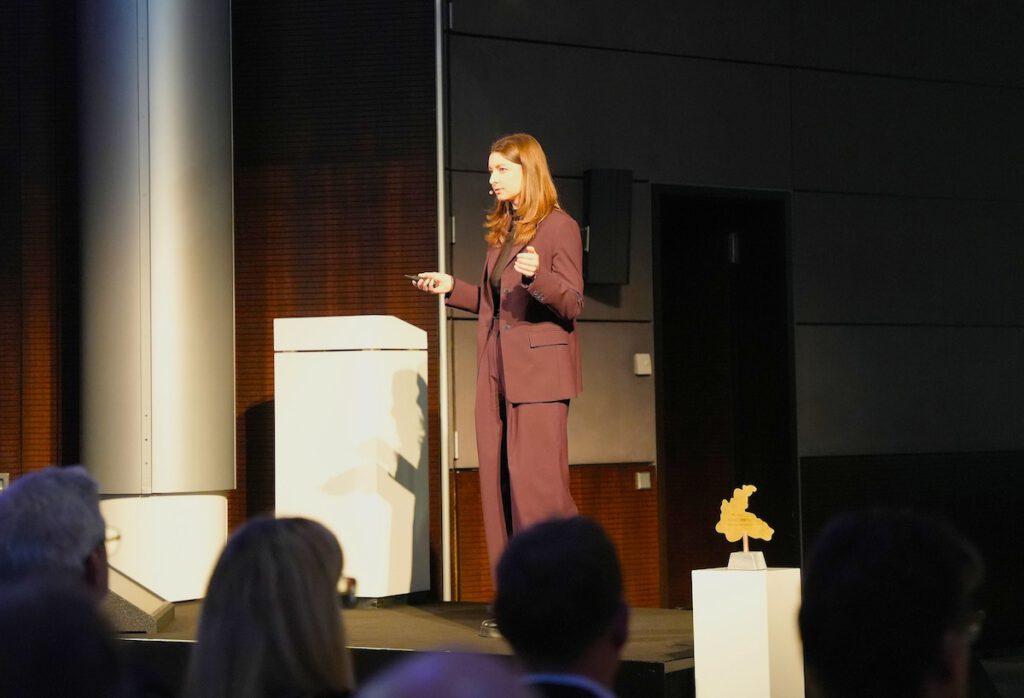
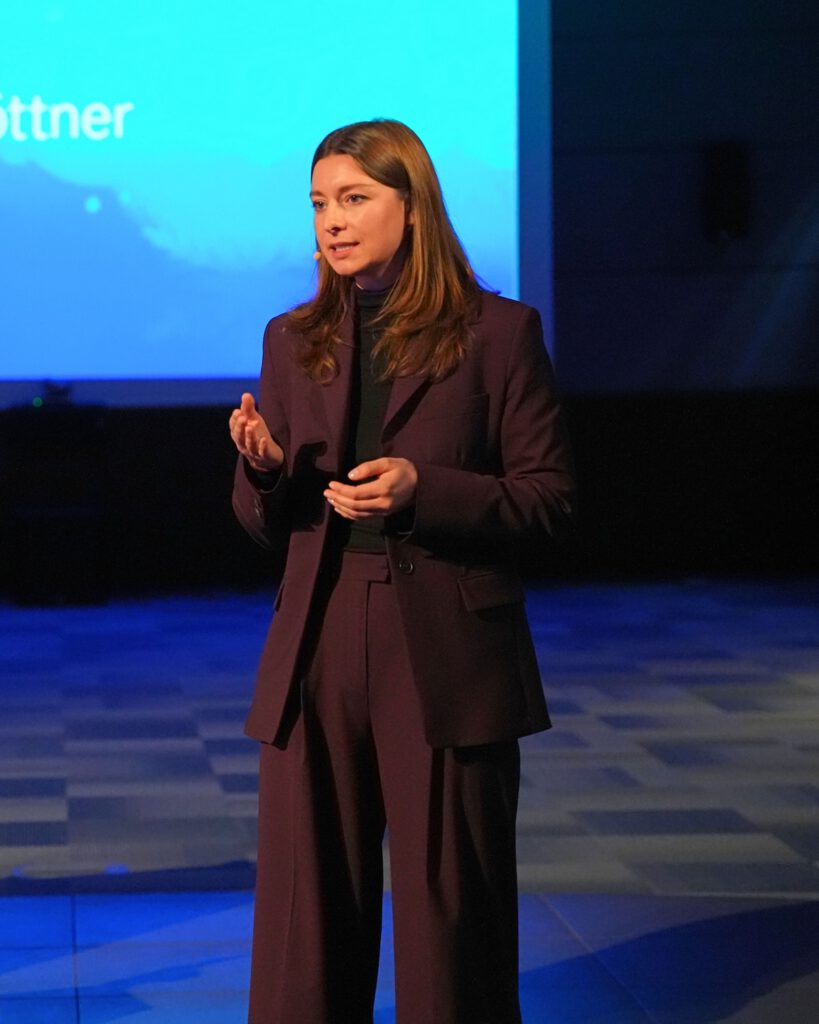
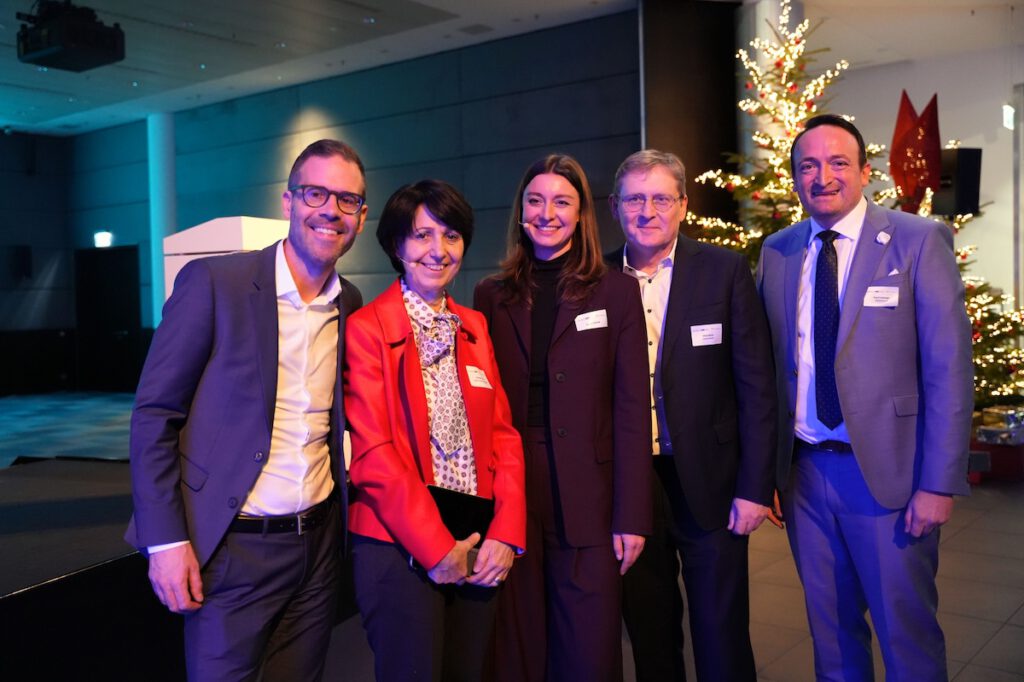
On 1 December 2025, Carina Stoettner was a guest at the Südwestmetall Heilbronn Christmas reception at the Audi Forum in Neckarsulm. Her talk looked at the future of German industry — at the opportunities within the transformation as much as the challenges facing companies and society. Communications consultant Christian Gleichauf wrote up the evening afterwards; his account forms the basis of what follows.
Deep tech is the thing we ought to be paying attention to. Carina Stoettner makes that very clear. And it has a little something to do with Heilbronn.
At the Südwestmetall Christmas reception at the Audi Forum last night, the futurist sketched out several possible futures worth thinking hard about.
In three of four scenarios, the good times in Europe don’t keep rolling. Only if we manage to build on our strengths and set off a few genuine breakthroughs do we get a future to look forward to.
That takes a society-wide willingness to engage with the new. Lifelong learning, a new relationship with science, a new sense of self in industry — in short, transformation.
In the end it will probably be a mix of scenarios. The familiar local-for-local approach will play a role one way or another. But you also have to hope the scenarios that would shrink the German and European economies into insignificance don’t come to pass.
What Stoettner does manage, in the space of a few minutes, is to make the urgency land — in front of an audience that deals with transformation every day of the week.
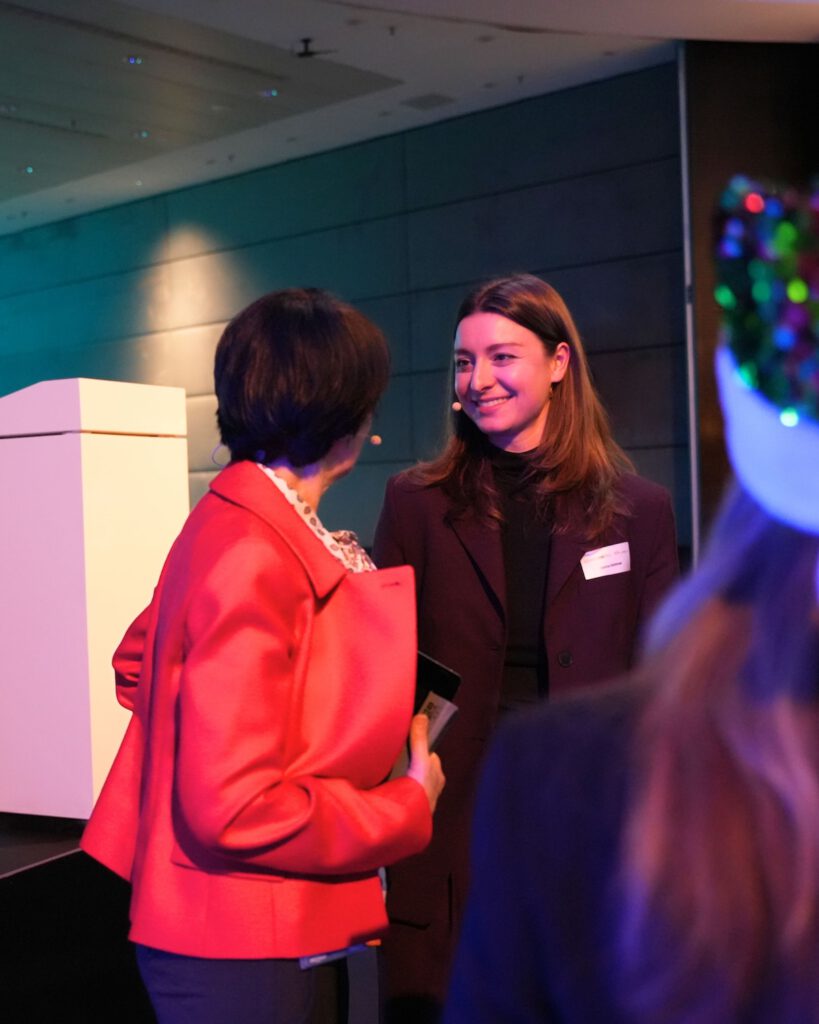
Christine Grotz, chair of the Heilbronn/Franconia district group at Südwestmetall, asks the fair question: what can we do? Stoettner appeals directly to the employers in the room: industry underestimates the leverage it has. Basic research is one example — and the state won’t be funding all of it. Nor will this happen without partnerships.
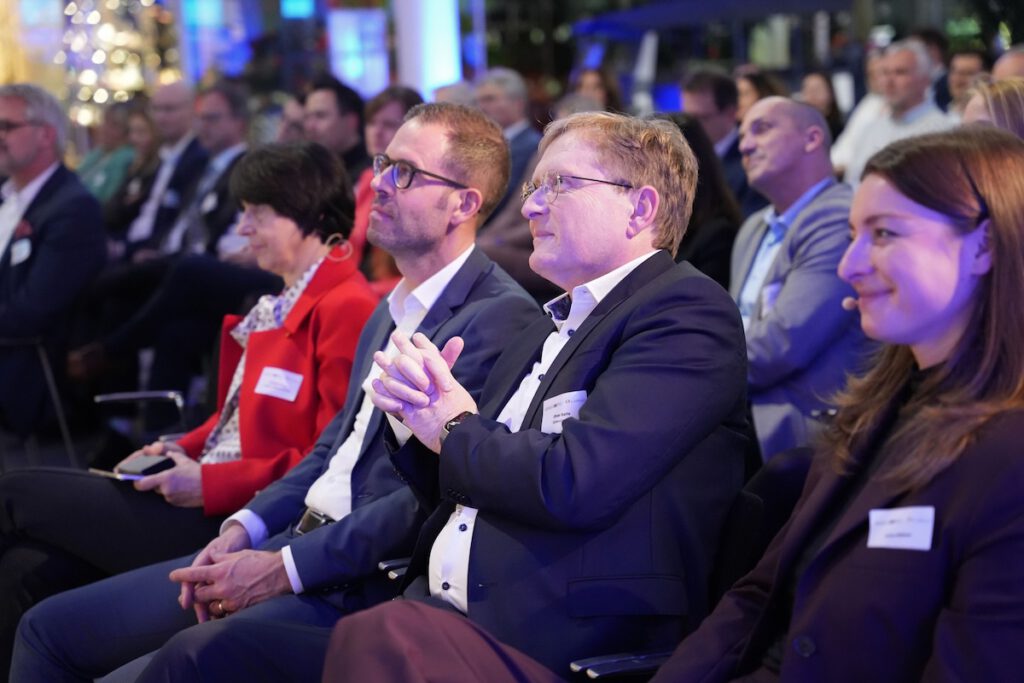
Former state secretary Friedlinde Gurr-Hirsch called for new approaches to training and apprenticeships. In front of more than 160 invited guests, Heiko Asum of Fibro Rundtische in Weinsberg put his finger on the sore spot: we’re not fast enough anymore.
Deep tech, collaboration between industry and science, combining Gyro Gearloose’s out-of-the-box thinking with Scrooge McDuck’s commercial instincts, using robotics to keep production in Europe, a clear focus on future technologies like AI, chip production and quantum computing. What’s striking about that list of ingredients: most of it is currently emerging in the Heilbronn ecosystem or out of it (Schwarz Group!).
So we’re watching a blueprint for Europe take shape. And if that’s our one chance of not going under, it sounds like there ought to be a majority prepared to at least pull in the same direction.
Doesn’t that sound like a Christmas message?
Also worth a mention: the inventive welcome video from Senta Woldeck and Güldeniz Acar (where was Jörg Ernstberger? 😉). And not to be forgotten — this year’s Herz der Wirtschaft award went to the Main-Tauber district and Futurelabs gGmbH, an initiative that encourages young people to experiment and gives them a way to put ideas into practice. Fitting, given the theme of the evening.
So — shall we give deep tech a chance?
This piece was originally published by Christian Gleichauf on LinkedIn. Christian is deeply connected in Heilbronn’s fast-growing ecosystem. He advises companies and institutions on communications, drawing on a background in journalism (more at www.wortCraft.de).