Tag: Zukunft

Thinking Ahead, Shaping Change: Carina Stoettner at the International Foodservice Forum 2026

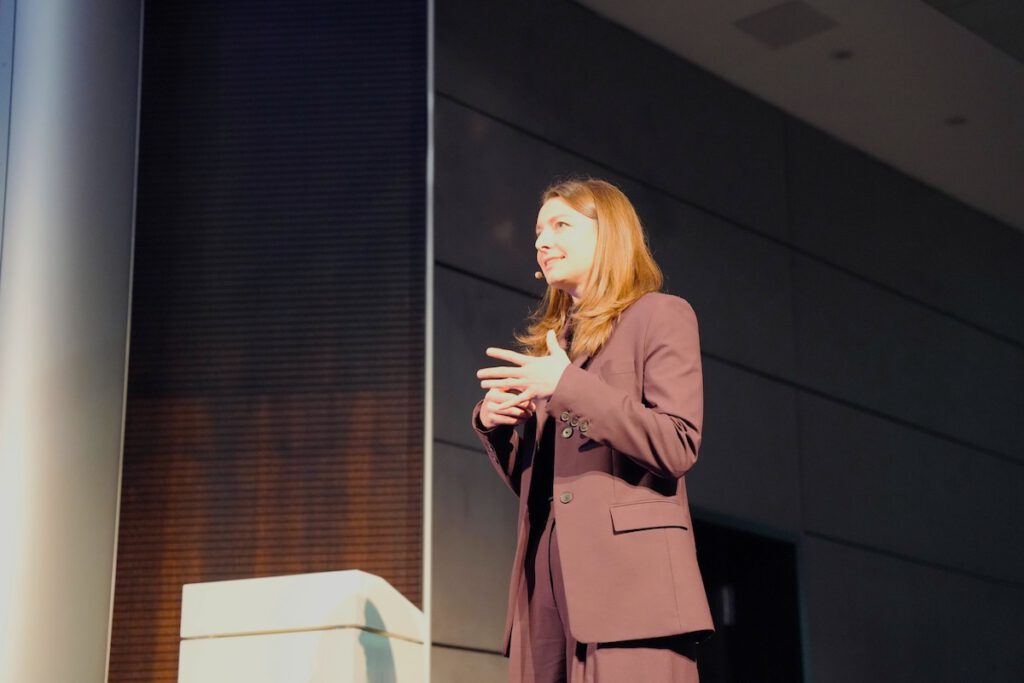
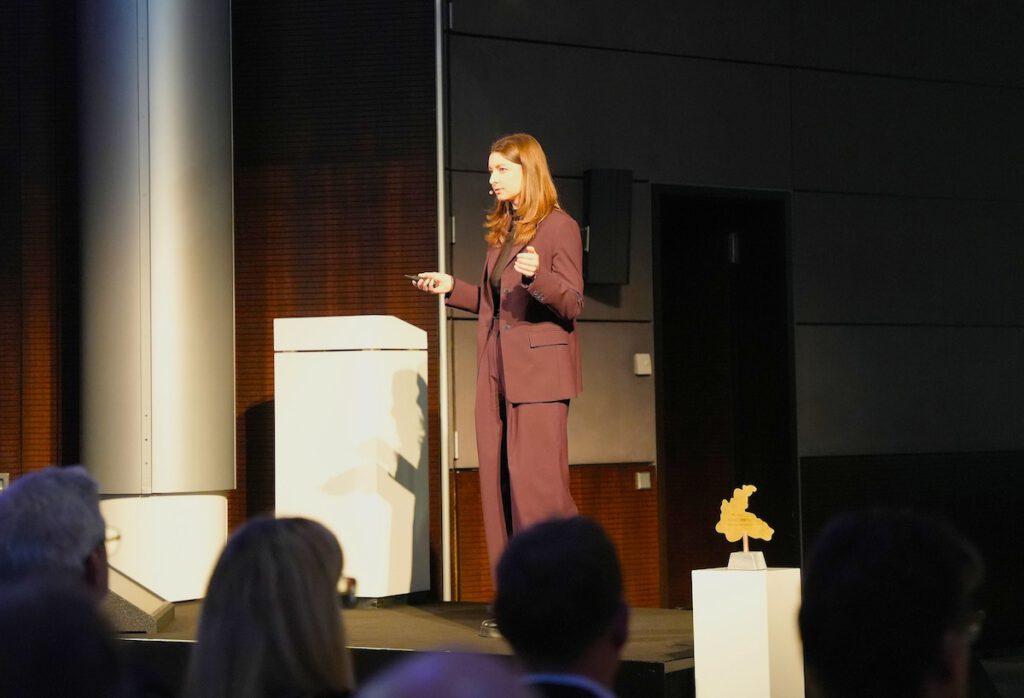
On 12 March 2026, Hamburg once again became the center of the European foodservice industry. At the International Foodservice Forum at the Congress Center Hamburg — traditionally held the day before Internorga — decision-makers from across Europe came together to discuss the future of the out-of-home market.

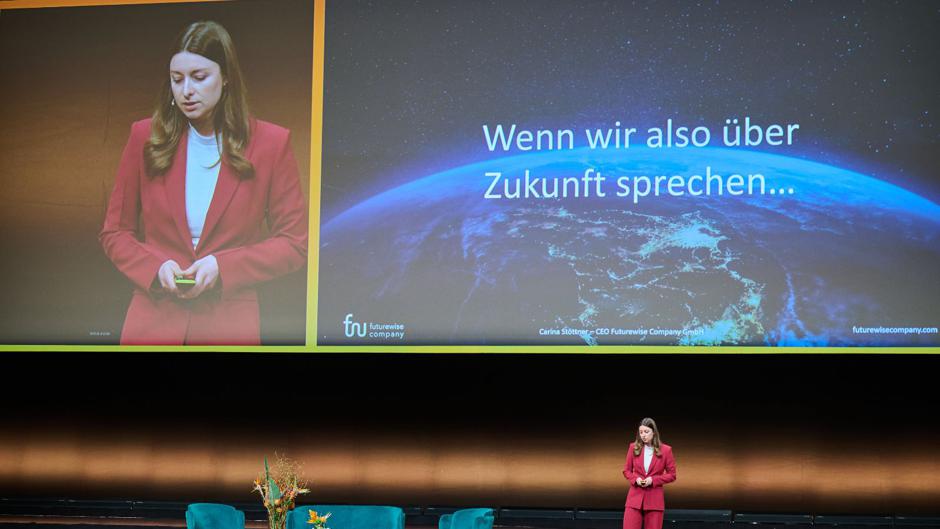
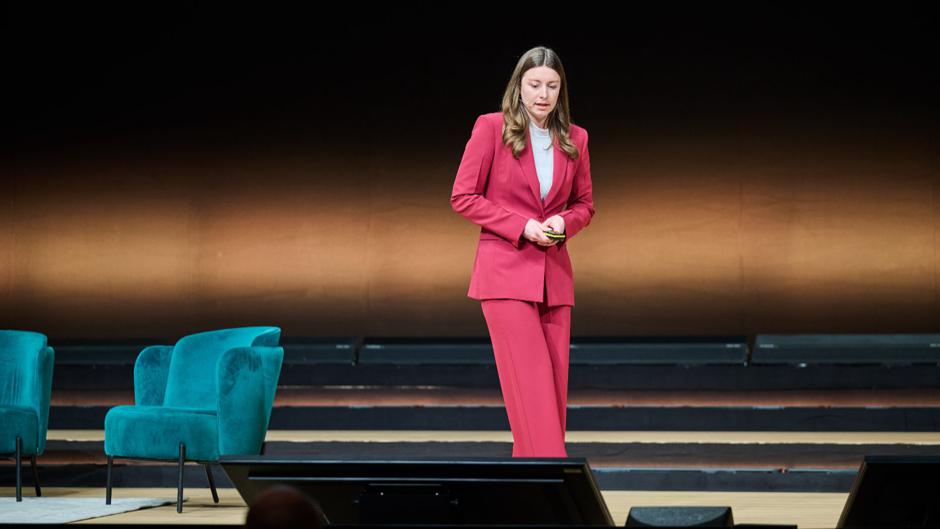
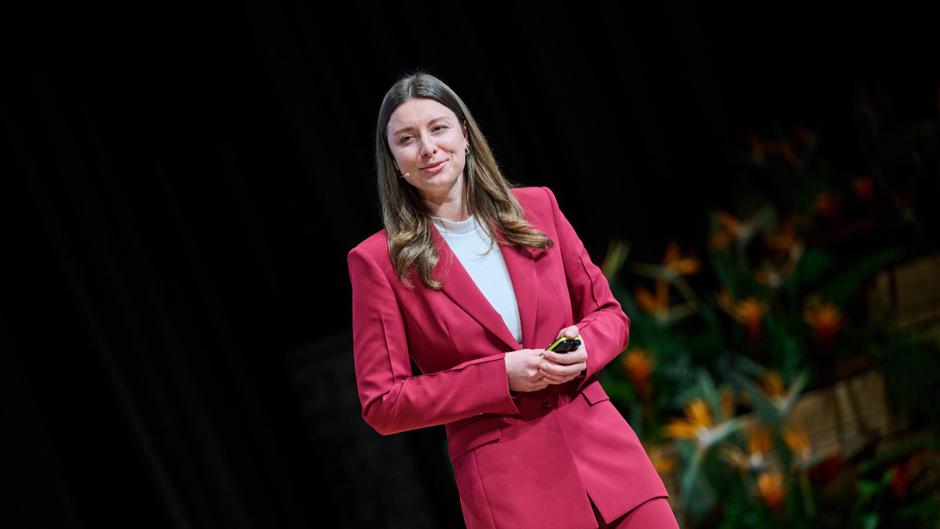
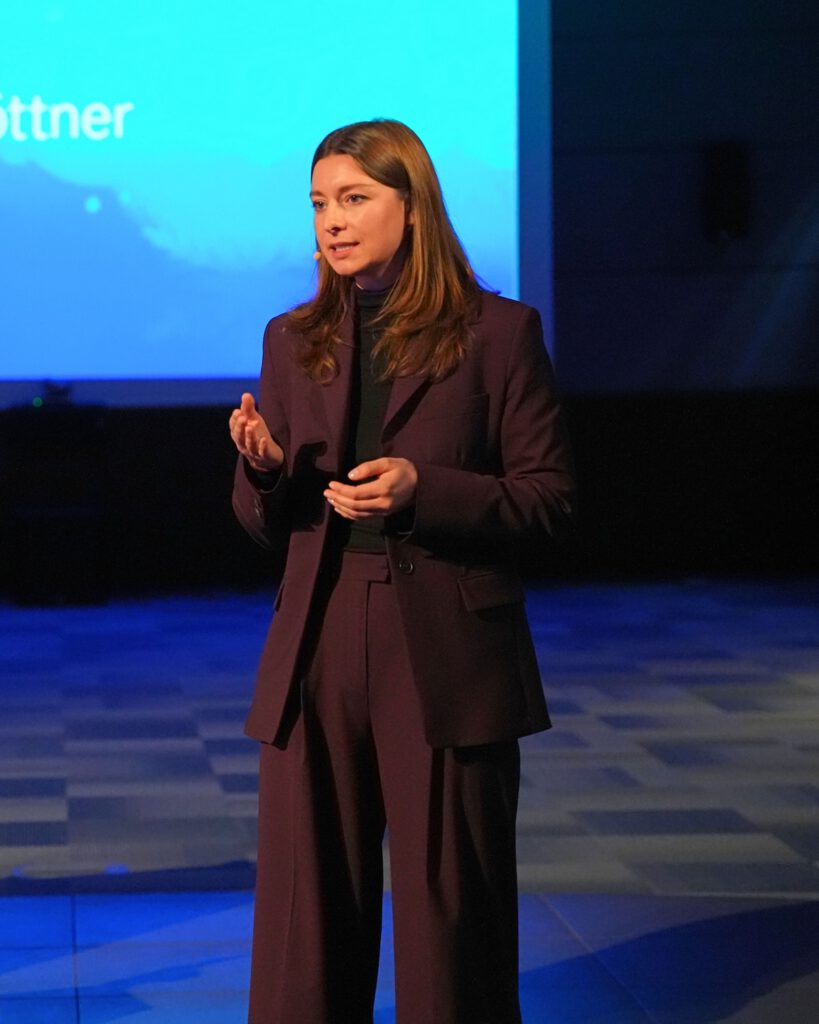
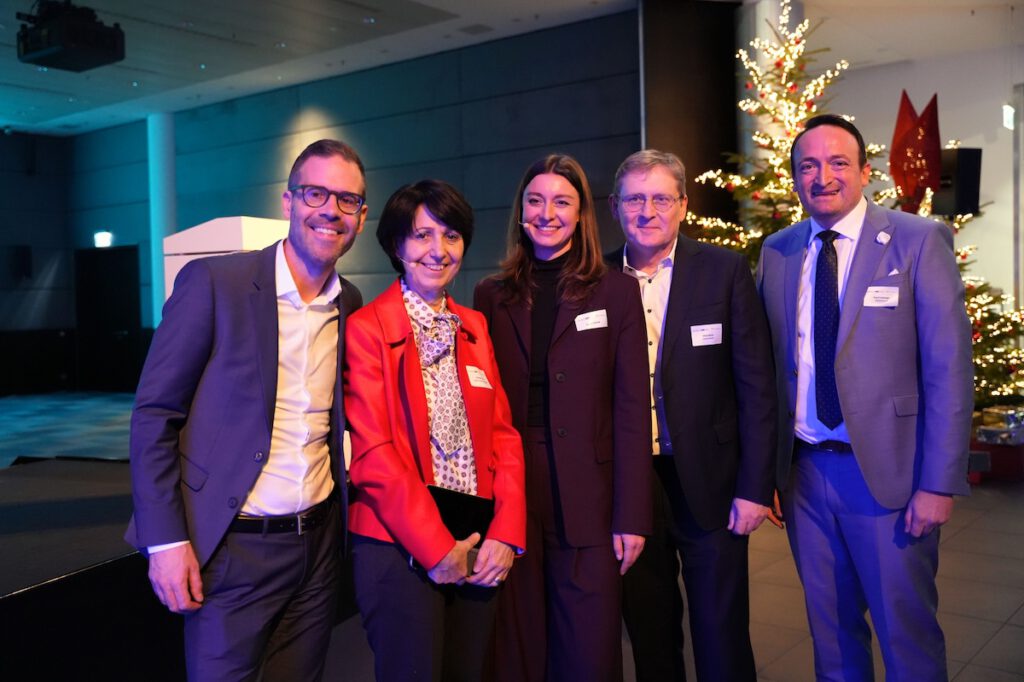
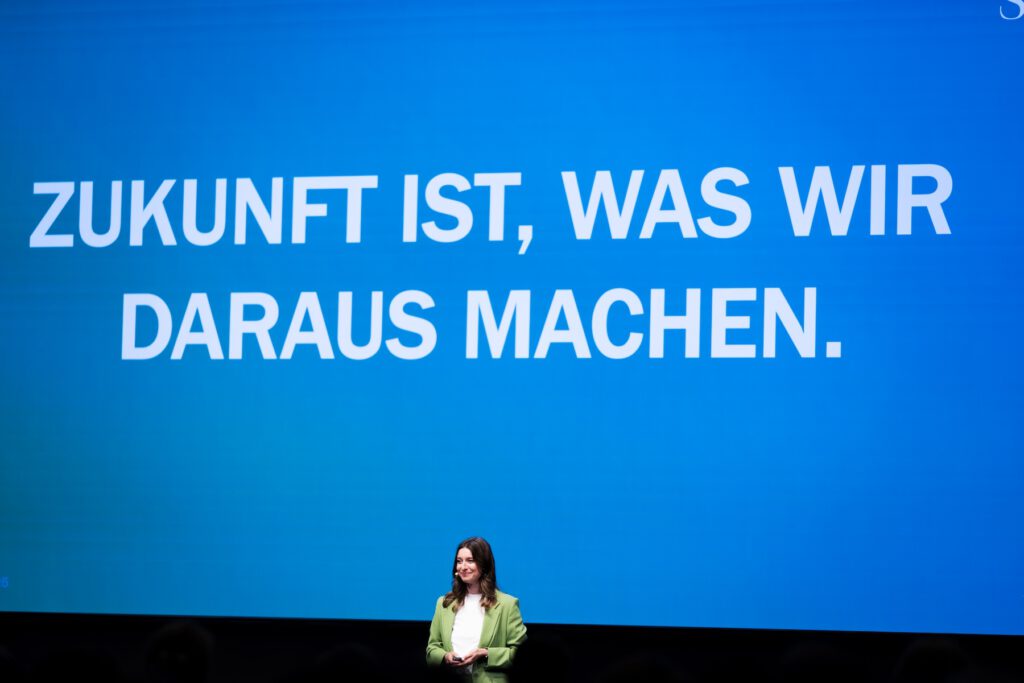
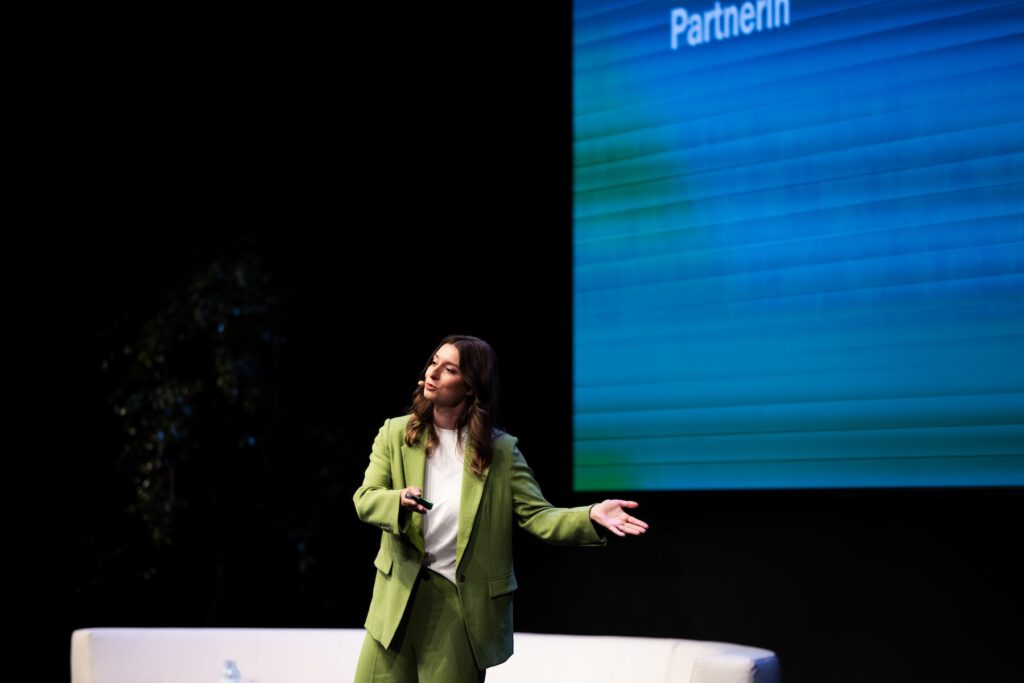
Among them: Carina Stoettner, futurist and founder of the Futurewise Company, who took the stage to deliver the closing keynote. The booking was arranged through the speaker agency Premium Speakers.

Europe’s biggest industry gathering — and a look ahead

The Foodservice Forum is one of the sector’s most influential agenda-setters. It isn’t only about trends but about strategic questions: how is consumption changing? What business models are emerging? And how does hospitality stay relevant over the long term?

The 2026 program reflected exactly that range. Speakers included:

  • Erik Meijer — a wake-up call from the world of professional sport
  • Katrin Wißmann — analysis of the top 100 players in the sector
  • Jochen Pinsker — on the potential of the out-of-home market
  • Benjamin Bargetzi — on neuroscience and AI
  • Jan Knikker — on hospitality in the 15-minute city
  • Jacek Trybuchowski — on international growth
  • Yotam Ottolenghi — in a fireside chat on creativity and food culture

Panels, start-up pitches and best-practice sessions rounded out the program — from Asian urban cuisine to stadium catering.

A Taste of What’s Coming — Carina Stoettner’s closing keynote

Carina Stoettner brought the day to a close with her keynote: “A Taste of What’s Coming: Change as the Industry’s Greatest Opportunity.”

The focus wasn’t only on trends but on concrete questions about the future that operators need to answer strategically today:

  • Rethinking the customer base: how do you build an offer for a growing 65+ generation — affluent, active and with time on their hands?
  • Making use of superdiversity: what new formats emerge from cultural variety — around occasions like Lunar New Year, beyond the classic peaks?
  • Treating climate change as an opportunity: which new regional products are appearing — new German wine-growing regions, for instance?
  • Redefining the social role: can hospitality become more than a place to consume — a space for encounter, exchange and social cohesion?

Her central message: change isn’t only a challenge — it’s a strategic lever for new business models, new customers and renewed relevance.

Networking, inspiration and what comes next

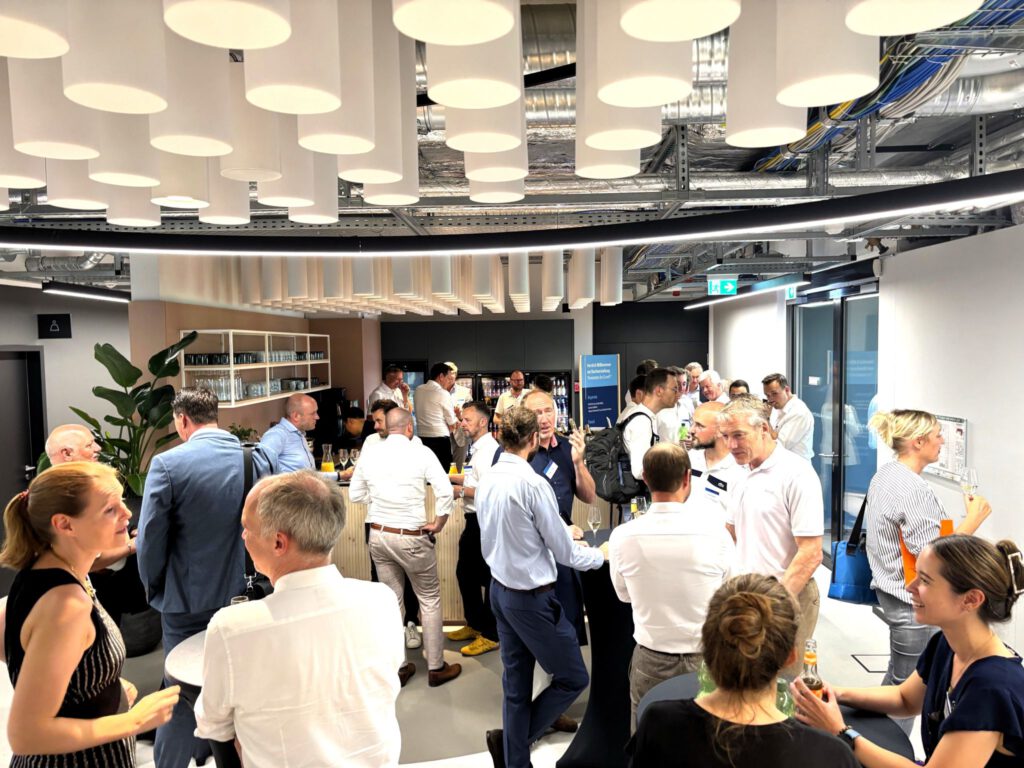
Alongside the talks, the forum offered plenty of room for exchange — a decisive factor in an industry currently undergoing serious transformation.

A particular highlight followed on Friday evening as part of Internorga: around 400 invited guests gathered for the gala at the Grand Elysée Hamburg to celebrate outstanding concepts and individuals — among them Karls Erlebnis-Dörfer, Haferkater and Henry McGovern.

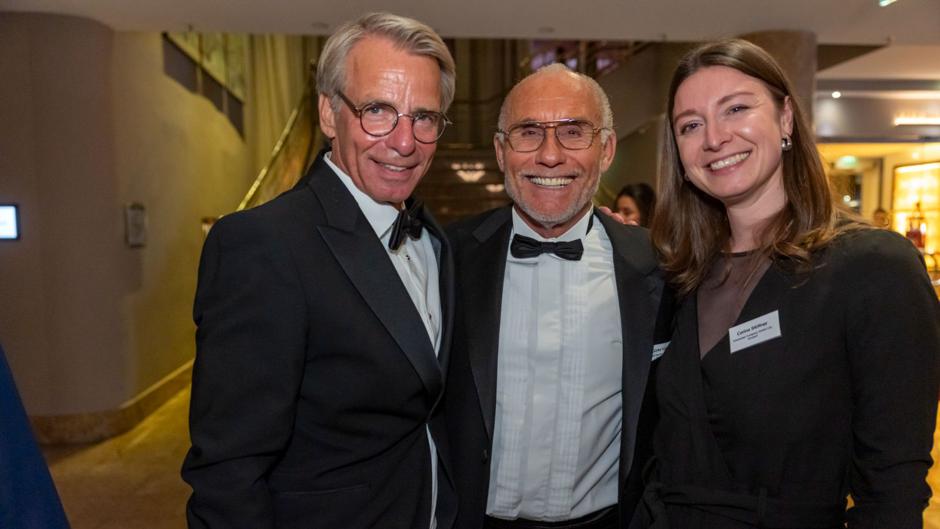
Stephan von Bülow and Carina Stoettner

Photo: Thomas Fedra

Hope for a Better Future: A Conversation on Stage at the Theater

A conversation about trust, the future and social responsibility at the Markgrafentheater in Erlangen

Can hope be learned again, in a time defined by overlapping crises, political radicalization, technological overload and a sense of powerlessness in the face of ecological breakdown? That question was at the center of the second edition of the talk series Amt 44 at Schauspiel Erlangen, held on 16 December 2025 at the Markgrafentheater.

After a successful first edition in the spring, the format returned to a subject that could hardly be more timely. Hosted by Matthias Köhler, resident director and part of the artistic leadership, the evening wasn’t about quick answers or moral certainties. As the format intends, what mattered was asking the right question.

Four very different perspectives met on the panel:
Peter Dabrock, theologian, ethicist and former chair of the German Ethics Council;
Baro Vicenta Ra Gabbert, author, lawyer and spokesperson for social and ecological justice at Greenpeace;
Vincent C. Müller, philosopher and Humboldt Professor for the Philosophy of Artificial Intelligence;
and Carina Stoettner, futurist and adviser to leadership teams.

Peter Dabrock brought an ethical and theological perspective, understanding hope as a deliberate stance that keeps you able to act even without optimism. Baro Vicenta Ra Gabbert spoke from the practice of activism and showed how hope grows out of everyday commitment — through young people above all, even in the face of political setbacks. Vincent C. Müller opened a philosophical and technological horizon, arguing that thinking worst-case scenarios through properly is a precondition for shaping the future responsibly. Carina Stoettner placed the discussion in the context of futures research, arguing that hope at a societal level rests above all on trust — in the future and in one another — and on the quiet majority finding the courage to speak.

You can read more about the evening in the write-up by Rezensöhnchen or in the Nürnberger Nachrichten (both in German).

The verdict: an absorbing conversation, with plenty of spontaneous contributions and debate.

Would you like to book Carina Stoettner for a panel or a talk? Get in touch. More about the speaker.

Photos: Henrik Stelter

Chancen für die Industrie: Carina Stöttner im Audi-Forum in Neckarsulm

On 1 December 2025, Carina Stoettner was a guest at the Südwestmetall Heilbronn Christmas reception at the Audi Forum in Neckarsulm. Her talk looked at the future of German industry — at the opportunities within the transformation as much as the challenges facing companies and society. Communications consultant Christian Gleichauf wrote up the evening afterwards; his account forms the basis of what follows.


Deep tech is the thing we ought to be paying attention to. Carina Stoettner makes that very clear. And it has a little something to do with Heilbronn.

At the Südwestmetall Christmas reception at the Audi Forum last night, the futurist sketched out several possible futures worth thinking hard about.

In three of four scenarios, the good times in Europe don’t keep rolling. Only if we manage to build on our strengths and set off a few genuine breakthroughs do we get a future to look forward to.

That takes a society-wide willingness to engage with the new. Lifelong learning, a new relationship with science, a new sense of self in industry — in short, transformation.

In the end it will probably be a mix of scenarios. The familiar local-for-local approach will play a role one way or another. But you also have to hope the scenarios that would shrink the German and European economies into insignificance don’t come to pass.

What Stoettner does manage, in the space of a few minutes, is to make the urgency land — in front of an audience that deals with transformation every day of the week.

Christine Grotz, chair of the Heilbronn/Franconia district group at Südwestmetall, asks the fair question: what can we do? Stoettner appeals directly to the employers in the room: industry underestimates the leverage it has. Basic research is one example — and the state won’t be funding all of it. Nor will this happen without partnerships.

Former state secretary Friedlinde Gurr-Hirsch called for new approaches to training and apprenticeships. In front of more than 160 invited guests, Heiko Asum of Fibro Rundtische in Weinsberg put his finger on the sore spot: we’re not fast enough anymore.

Deep tech, collaboration between industry and science, combining Gyro Gearloose’s out-of-the-box thinking with Scrooge McDuck’s commercial instincts, using robotics to keep production in Europe, a clear focus on future technologies like AI, chip production and quantum computing. What’s striking about that list of ingredients: most of it is currently emerging in the Heilbronn ecosystem or out of it (Schwarz Group!).

So we’re watching a blueprint for Europe take shape. And if that’s our one chance of not going under, it sounds like there ought to be a majority prepared to at least pull in the same direction.

Doesn’t that sound like a Christmas message?

Also worth a mention: the inventive welcome video from Senta Woldeck and Güldeniz Acar (where was Jörg Ernstberger? 😉). And not to be forgotten — this year’s Herz der Wirtschaft award went to the Main-Tauber district and Futurelabs gGmbH, an initiative that encourages young people to experiment and gives them a way to put ideas into practice. Fitting, given the theme of the evening.

So — shall we give deep tech a chance?


This piece was originally published by Christian Gleichauf on LinkedIn. Christian is deeply connected in Heilbronn’s fast-growing ecosystem. He advises companies and institutions on communications, drawing on a background in journalism (more at www.wortCraft.de).


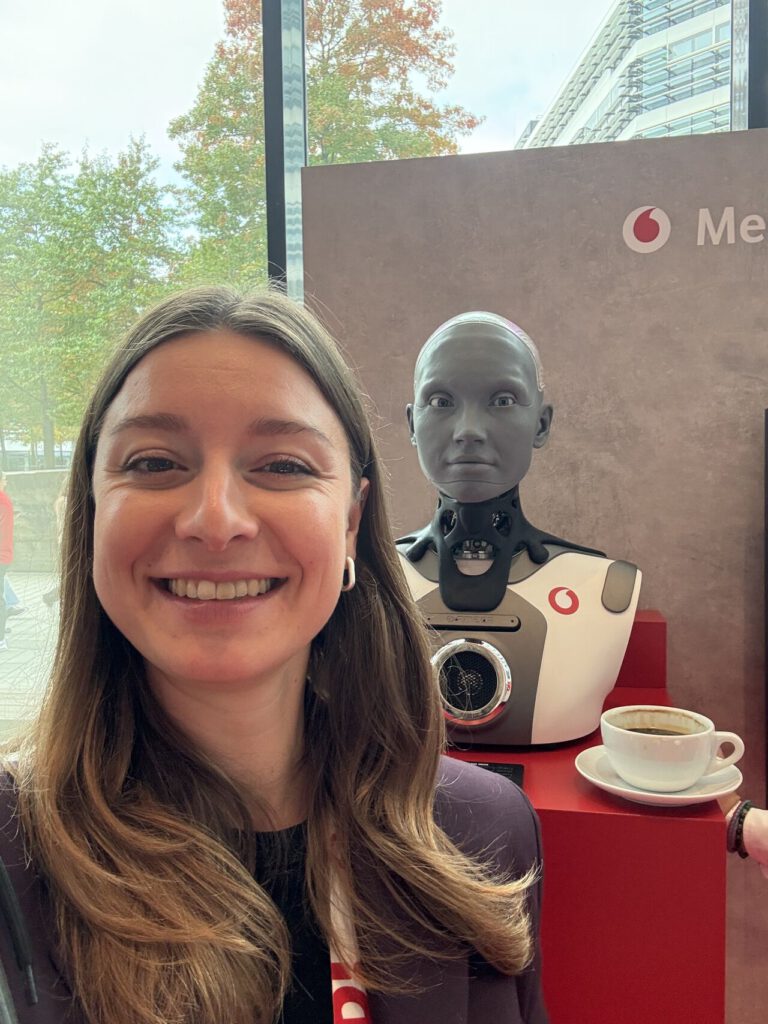
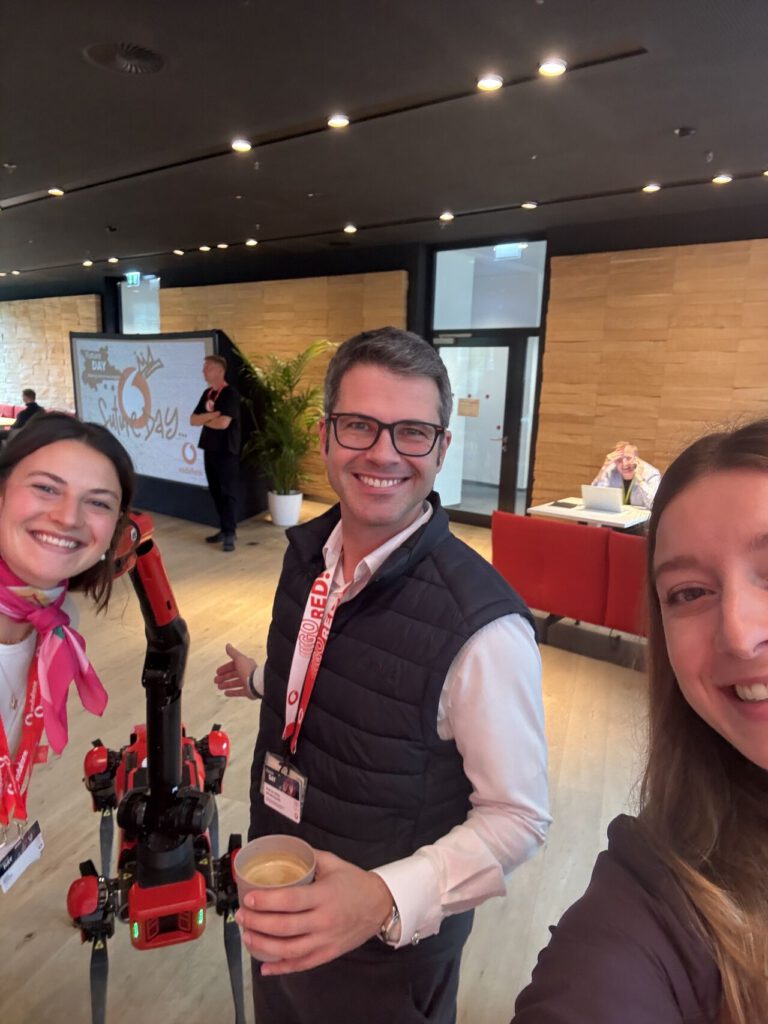
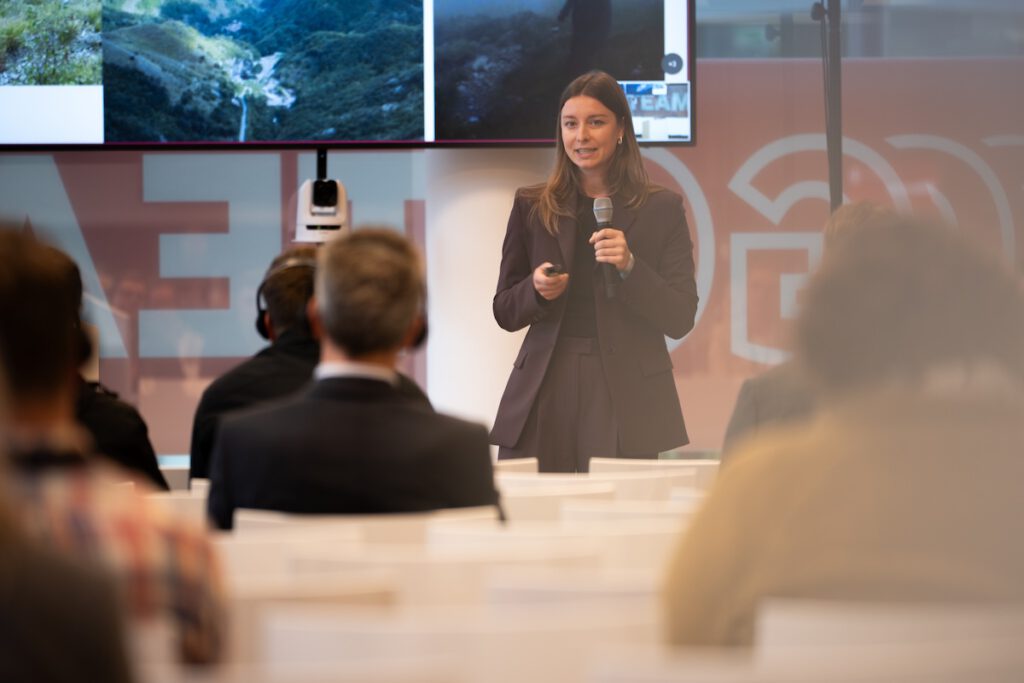
Futures Thinking — Stoettner at the Vodafone Future Day

At the Vodafone Future DayCarina Stoettner spoke about why thinking about the future has become a core leadership discipline — and what so often stands in the way. The brain, she explained, tends to think short-term and to register risks more strongly than opportunities — a mechanism that makes strategic action difficult in uncertain times.

Her work with leadership teams, she said, isn’t about predicting the future but about learning to work with uncertainty — because the uncertainty isn’t going anywhere. She showed which cognitive tendencies (the negativity bias among them) shape how we think about what’s ahead, how far out it makes sense to look, and why scenario thinking is such an effective tool for making complexity manageable.

The future, in Stoettner’s framing, isn’t a fixed point but a space to think in: sketch out several possible futures instead of clinging to a single truth, and you get your ability to act back.

Earlier in the day, Prof. Heiko von der Gracht offered a look at the scientific side of foresight work. He made clear that futures research isn’t fortune-telling: it rests on systematic observation, scenarios and the interpretation of signals. The future doesn’t arrive by accident, he argued — it can be explored methodically, by analyzing trends, wildcards and possible ruptures in a structured way.

Deutschlands Industrie 2045: Vier Zukünfte, die Sie überraschen werden

Warum wir alle am „Normalitätsbias“ leiden

Haben Sie schon einmal vom „Normalitätsbias“ gehört? Es ist die tief in unserem Gehirn verankerte Tendenz zu glauben, dass alles so weiterläuft wie bisher. Dieses Phänomen lässt sich besonders gut bei prognostizierten Hurricanes beobachten: Obwohl die Gefahr klar ist, halten viele Menschen bis zur letzten Minute daran fest, dass es sie schon nicht treffen wird. Wir unterschätzen Risiken und haben enorme Schwierigkeiten damit, tiefgreifende Veränderungen zu antizipieren.

Genau diese menschliche Eigenschaft ist eine strategische Gefahr für die deutsche Industrie. Zu glauben, der Status quo bliebe erhalten, ist in einer sich rasant wandelnden Welt das größte Risiko. Der Schlüssel zur Zukunftsfähigkeit liegt daher nicht in der Vorhersage, sondern im Denken in Szenarien – einem disziplinierten „Was wäre, wenn“-Ansatz. Nur wer sich heute mit möglichen Zukünften auseinandersetzt, kann in der Krise agieren, anstatt von ihr gelähmt zu werden.

Genau das habe ich in der Studie „Zukunftsszenarien für die Industrie und Industriearbeit“ getan. Dabei habe ich zusammen mit meinen Co-Autoren Jan Berger, Carsten Brandes, Andreas Katzer vier plausible, aber radikal unterschiedliche Zukünfte für die deutsche Industrie im Jahr 2045 entworfen. Dieser Artikel stellt Ihnen die vier überraschendsten Erkenntnisse aus diesen Szenarien vor – vier Aussichten, die unser Bild von der Zukunft radikal in Frage stellen.

Die vier überraschendsten Zukunftsaussichten für die deutsche Industrie

1. Deutschlands Apple-Dilemma: Wohlstand für die Elite, Abstieg für den Rest?

Im Szenario „Designed in Germany, Made in the World“ folgt Deutschland dem Vorbild von Apple: Designed by Apple in California, assembled in China. Die deutsche Industrie spezialisiert sich auf ihre Kernkompetenzen in Forschung, Entwicklung und Design. Ergänzt wird dies durch den Ausbau von Plattform- und Servicelösungen („X-as-a-Service“). Die physische Produktion beschränkt sich auf hochqualitative Kleinserien, während die kostenintensive Massenproduktion konsequent in kosteneffizientere Länder verlagert wird.

Die überraschende und potenziell explosive Konsequenz dieses Modells ist nicht wirtschaftlicher, sondern sozialer Natur. Es entsteht eine tiefe gesellschaftliche Kluft. Auf der einen Seite steht eine hochqualifizierte, international vernetzte und sehr gut verdienende „Industrie-Elite“, die in den Entwicklungszentren arbeitet. Auf der anderen Seite stehen die ehemaligen Facharbeiter aus der Produktion, die in andere Sektoren abwandern oder Schwierigkeiten haben, auf dem neuen Arbeitsmarkt Fuß zu fassen. Dieser Strukturwandel erinnert an den Niedergang der deutschen Textilindustrie, der die soziale Sprengkraft einer solchen Entwicklung verdeutlicht.

2. Resilienz hat ihren Preis: Warum ein autarkes Europa uns ärmer machen könnte

Das Szenario „Europäische Regional-Industrie“ beschreibt eine Zukunft, die von Protektionismus und dem Wunsch nach regionaler Stabilität geprägt ist. Getrieben von geopolitischen Spannungen koppelt sich Europa vom Weltmarkt ab, um Abhängigkeiten zu reduzieren und die Versorgungssicherheit zu gewährleisten. Die Produktion wird nach Deutschland und Europa zurückgeholt (Reshoring).

Die kontraintuitive Kernaussage dieses Szenarios lautet: Der verständliche Wunsch nach mehr Sicherheit könnte Deutschland ärmer machen. Die Abkopplung vom Weltmarkt würde die Exportnation hart treffen. Berechnungen der Stiftung Familienunternehmen deuten darauf hin, dass das reale Pro-Kopf-Einkommen kurzfristig um bis zu 20 % sinken könnte, langfristig um 6 %. In dieser Zukunft gäbe es klare Verlierer wie die Automobilindustrie und die Hochtechnologie, während Grundversorger wie Lebensmittel, Energie (Biomasse, Atomkraft) und die Recycling-Wirtschaft zu den Gewinnern zählten. Innovation bedeutet hier nicht, bahnbrechende Technologien zu schaffen, sondern erfordert einen frugalen Ansatz mit begrenzten Mitteln: die kreative Fähigkeit, buchstäblich „das Rad neu zu erfinden“, indem man bestehende Produkte mit den Ressourcen baut, die gerade verfügbar sind.

3. Das Ende deutscher Standards: Wenn die Waschmaschine bald ein „Sari-Programm“ hat

Im Szenario „Local for Local“ reagieren deutsche Unternehmen auf globale Unsicherheiten, indem sie Produktionsstätten in jeder wichtigen Weltregion aufbauen, um die dortigen Märkte direkt zu bedienen. Forschung und Entwicklung (F&E) bleiben zunächst in Deutschland, doch die globale Machtbalance verschiebt sich. Die Produktentwicklung richtet sich zunehmend nicht mehr nach europäischen, sondern nach den bevölkerungsstärkeren und kaufkräftigeren Regionalblöcken wie Indien aus.

Die überraschendste Folge ist der Verlust der globalen Standardsetzungsmacht Deutschlands. Das prägnante Beispiel aus der Studie verdeutlicht dies:

“Das heißt, ich habe vielleicht eine Waschmaschine, die in Zukunft statt einem Feinwaschprogramm ein Sari Waschprogramm hat und wir bekommen dann im Grunde nur noch die Anpassung.”

Deutschland wäre nicht mehr der globale Taktgeber, sondern nur noch ein Markt, für den Produkte angepasst werden. Dieser Machtverlust würde langfristig auch die entscheidende Frage aufwerfen, warum Forschung und Entwicklung überhaupt noch in Deutschland angesiedelt sein sollten, wenn die wichtigsten Kunden und Märkte woanders sitzen.

4. Der neue Industriearbeiter: Mehr Daniel Düsentrieb als klassischer Facharbeiter

Das optimistischste Szenario heißt „Deeptech-Deutschland“. Hier geht es nicht darum, bestehende Produkte nur zu optimieren – ein Auto noch etwas schneller oder effizienter zu machen –, sondern darum, fundamentale Probleme wie den Klimawandel oder Überalterung auf einer grundlegenden Ebene zu lösen. Deutschland entwickelt sich zu einem weltweit führenden Standort für hochinnovative Technologien wie selbstheilende Materialien, klimaresistente Pflanzen oder Lebensmittel aus der Petrischale.

Die überraschendste Anforderung dieser Zukunft betrifft die Arbeitskräfte. Gefragt sind nicht mehr nur klassisch ausgebildete Ingenieure, sondern sogenannte „New Collar Worker“. Dieser neue Typus von Industriearbeiter vereint technische, manuelle und theoretische Kompetenzen. Oft sind es Quereinsteiger aus völlig anderen Disziplinen, die neue Perspektiven einbringen. Die Studie nutzt eine treffende Analogie: Gefragt ist der Geist eines „Daniel Düsentrieb“, also eines genialen Erfinders, kombiniert mit einem „Dagobert Duck Mindset“ – dem unternehmerischen Gespür, aus brillanten Ideen auch wirtschaftlich erfolgreiche Produkte zu machen.

Fazit: Die Zukunft ist, was wir daraus machen

Diese vier Szenarien sind keine Vorhersagen. Sie sind plausible Gedankenexperimente, die uns die Bandbreite möglicher Zukünfte aufzeigen und helfen, den „Normalitätsbias“ zu überwinden. Sie zwingen uns, unbequeme Fragen zu stellen und strategische Optionen für morgen schon heute zu durchdenken. Die Zukunft ist nicht vorbestimmt. Die Weichen werden zwischen einem gespaltenen Eliten-Staat, einem resilienten, aber ärmeren Kontinent, dem Verlust globalen Einflusses oder der anspruchsvollen Neuerfindung unserer Arbeitswelt gestellt.

Wenn Sie Interesse an einer Keynote zu dem Thema haben oder in den Austausch dazu gehen möchten, weil Sie oder Ihre Kunden Teil der europäischen Industrie sind, sprechen Sie mich gerne an.

Industry Scenarios and Innovation: Why Thinking Ahead Has Become a Strategic Necessity

Industry scenarios and innovation: why thinking ahead has become a strategic necessity

One thinking error persists stubbornly across many established industries: the assumption that things will somehow carry on as they always have. This normalcy bias is one of the biggest brakes on innovation we have. Companies that don’t actively push back against it risk sleeping through disruptive change.

Industry scenarios as a strategic early warning system

Which is exactly why scenarios for the future of an industry are a crucial part of strategic innovation work. They make potential paths visible — and reveal early on which kinds of innovation each scenario calls for. Digital business models, circular production, resilient supply chains: thinking through the future of your own sector lets you prepare innovation deliberately rather than simply react.

Four scenarios, four directions for innovation

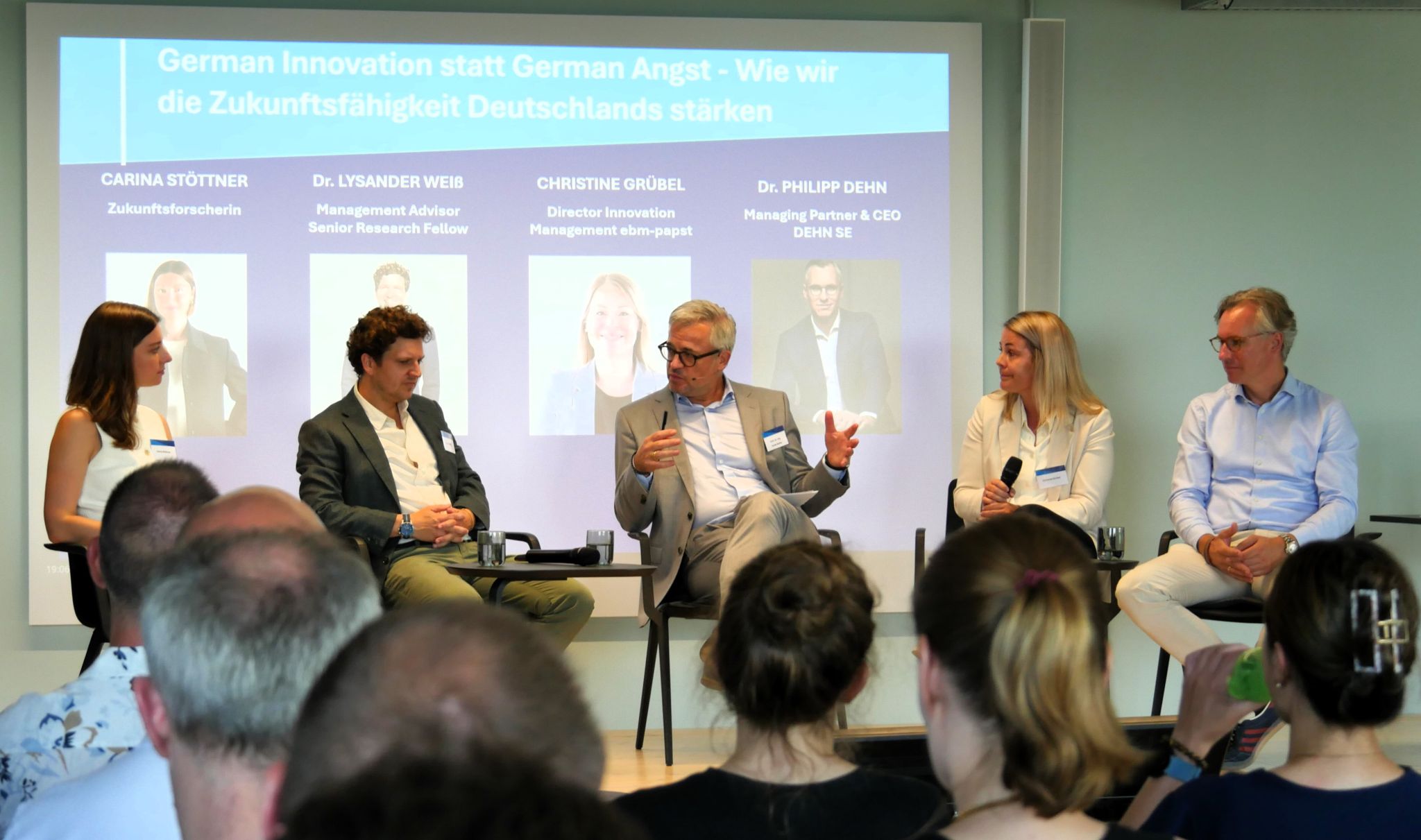
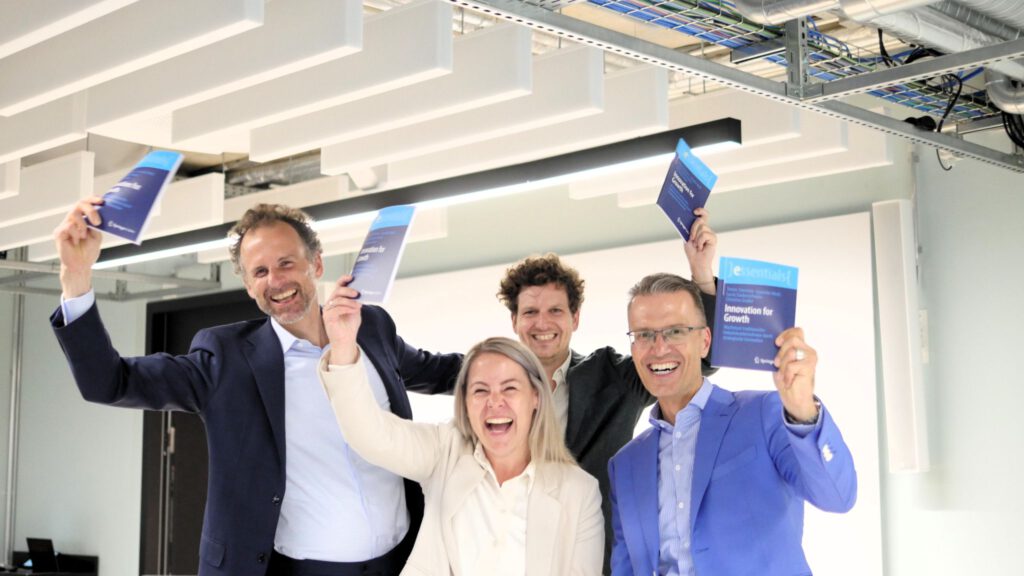
At the launch of Innovation for Growth at IPAI in Heilbronn, I presented four industry scenarios showing how the conditions around us are shifting — and which innovation strategies answer each of them.

Foresight + innovation = futures literacy

The key lies in connecting foresight with innovation. Building decisions on well-grounded assumptions about the future means deploying resources more precisely, calculating innovation risk more accurately and creating real competitive advantage. That’s what makes a company fit for what’s ahead.

A case in point: ebm-papst and Tomas Smetana

ebm-papst, under Prof. Tomas Smetana, is a striking example of how to restructure not just operationally but structurally. Through strategic innovation the company has managed to question its own field of business and develop it into something built to last — starting from a clear picture of the future and a willingness to leave old patterns behind.

At the event in Heilbronn I was struck by how openly ebm-papst discusses its own business model — and by the nerve it takes to follow new thinking through.

Transformation starts in the mind

The conversations that evening confirmed something again: being ready for the future isn’t a question of technology alone. It starts with the capacity to question yourself, to make bold decisions — and to orient toward the markets that are coming.

My thanks to Tomas Smetana, Lucas Sauberschwarz, Christine Grübel, Dr. Lysander Weiß, Guido H. Baltes and Philipp Dehn for the stimulating conversations and ideas. Innovation for Growth is a real invitation to shift perspective — and a case for thinking in futures.

Investing with Foresight at Erste Group in Vienna — Keynote and Panel

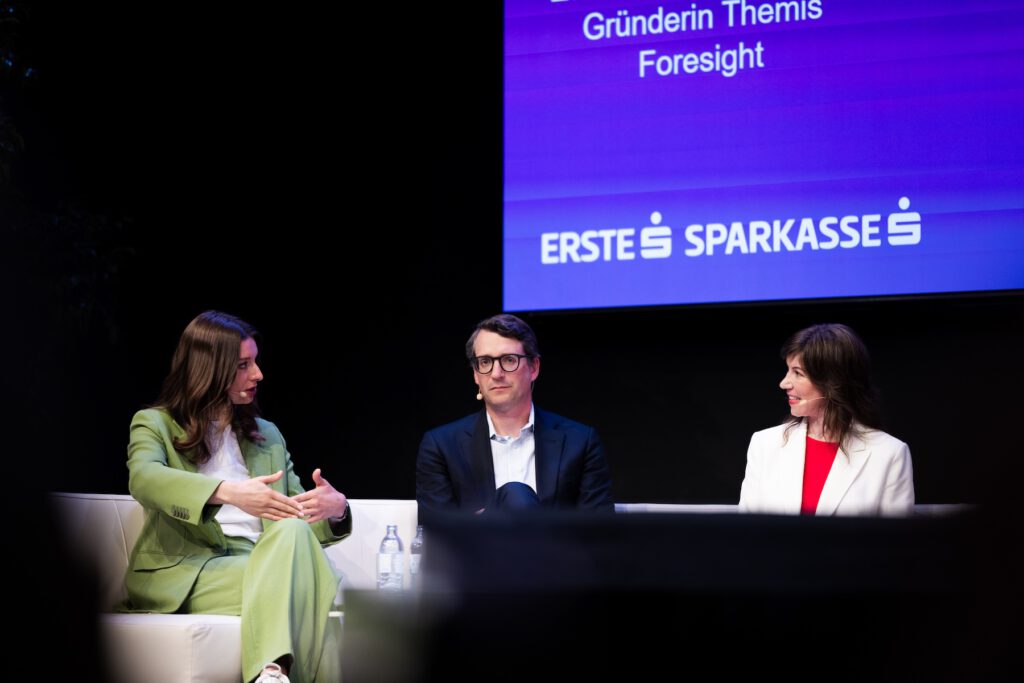
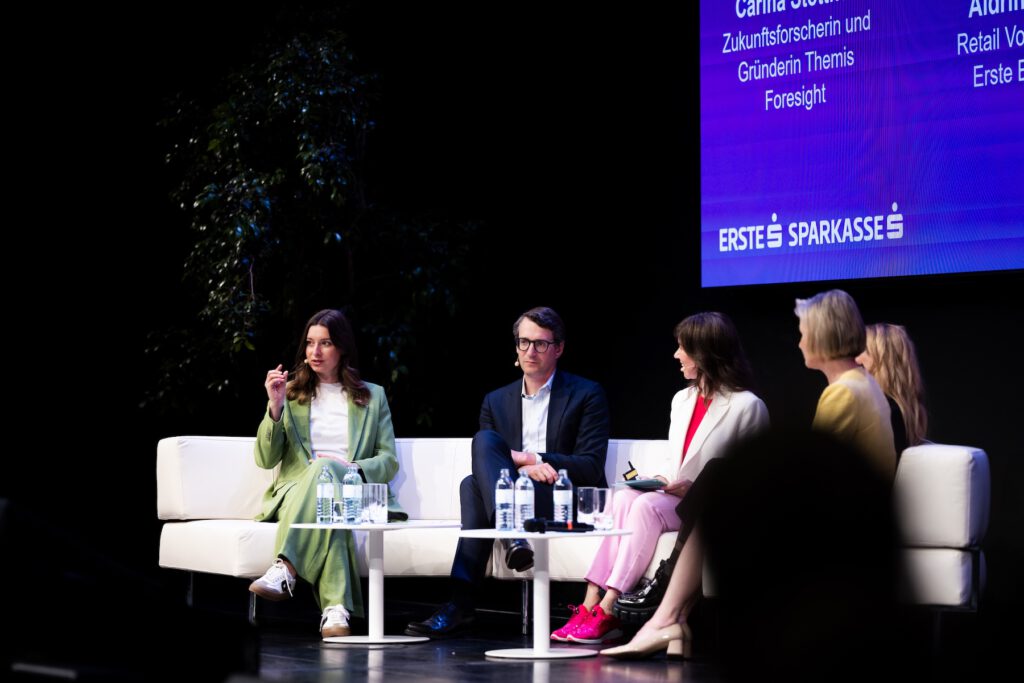
Last week I had the chance to share my perspective at the beautifully organized She Invests event hosted by Erste Group in Vienna — first in a keynote, then on a panel with supervisory board member Caroline Kuhnert, platform specialist Christine Bachler, board member Maximilian Clary and finance expert Olga Miler. A strong line-up, and one that showed just how much thinking about the future and making smart financial decisions matter right now.

Here are my main takeaways:

💶 The past guarantees nothing about the future.
Just because an investment performed well in the past doesn’t mean it will keep working. Our biggest thinking error is usually extrapolating from yesterday, or today, to tomorrow. What looked safe yesterday can disappear tomorrow — Kodak being the obvious example. And what’s hyped today may well be irrelevant in twenty or thirty years. My advice: keep the big picture in view instead of chasing short-term trends.

💶 Get past the negativity bias.
When everything looks bleak, plenty of people think: “I may as well spend my money now.” But what if things turn out well? Working through several possible futures deliberately leads to better decisions and better long-term security.

💶 More confidence with technology, and fair financial arrangements.
Women should be bolder about getting to grips with technological trends. And talk through fair financial arrangements with your partner early. Having provided for yourself means staying calmer in a crisis, having more professional flexibility, and making better decisions over the long run.

💶 People still make the difference.
Technology can simplify saving, analyze data and create transparency. But in emotional or critical moments, you still need a real person to talk to. As we discussed on the panel, the data is unambiguous: portfolios belonging to customers who combine digital tools with personal advice perform better. Which is what makes hybrid solutions convincing — Erste Group’s George app, for instance, where you can still reach an actual human in person or by phone when it counts.

A bit of a shame that George is only available in Austria.

The full event write-up is here.

Many thanks to Monika Sternathova and Lesly Alfaro for the invitation and for such a great event.

Here’s the full video:

Photos: Marlena König