Industry scenarios and innovation: why thinking ahead has become a strategic necessity
One thinking error persists stubbornly across many established industries: the assumption that things will somehow carry on as they always have. This normalcy bias is one of the biggest brakes on innovation we have. Companies that don’t actively push back against it risk sleeping through disruptive change.
Industry scenarios as a strategic early warning system
Which is exactly why scenarios for the future of an industry are a crucial part of strategic innovation work. They make potential paths visible — and reveal early on which kinds of innovation each scenario calls for. Digital business models, circular production, resilient supply chains: thinking through the future of your own sector lets you prepare innovation deliberately rather than simply react.
Four scenarios, four directions for innovation
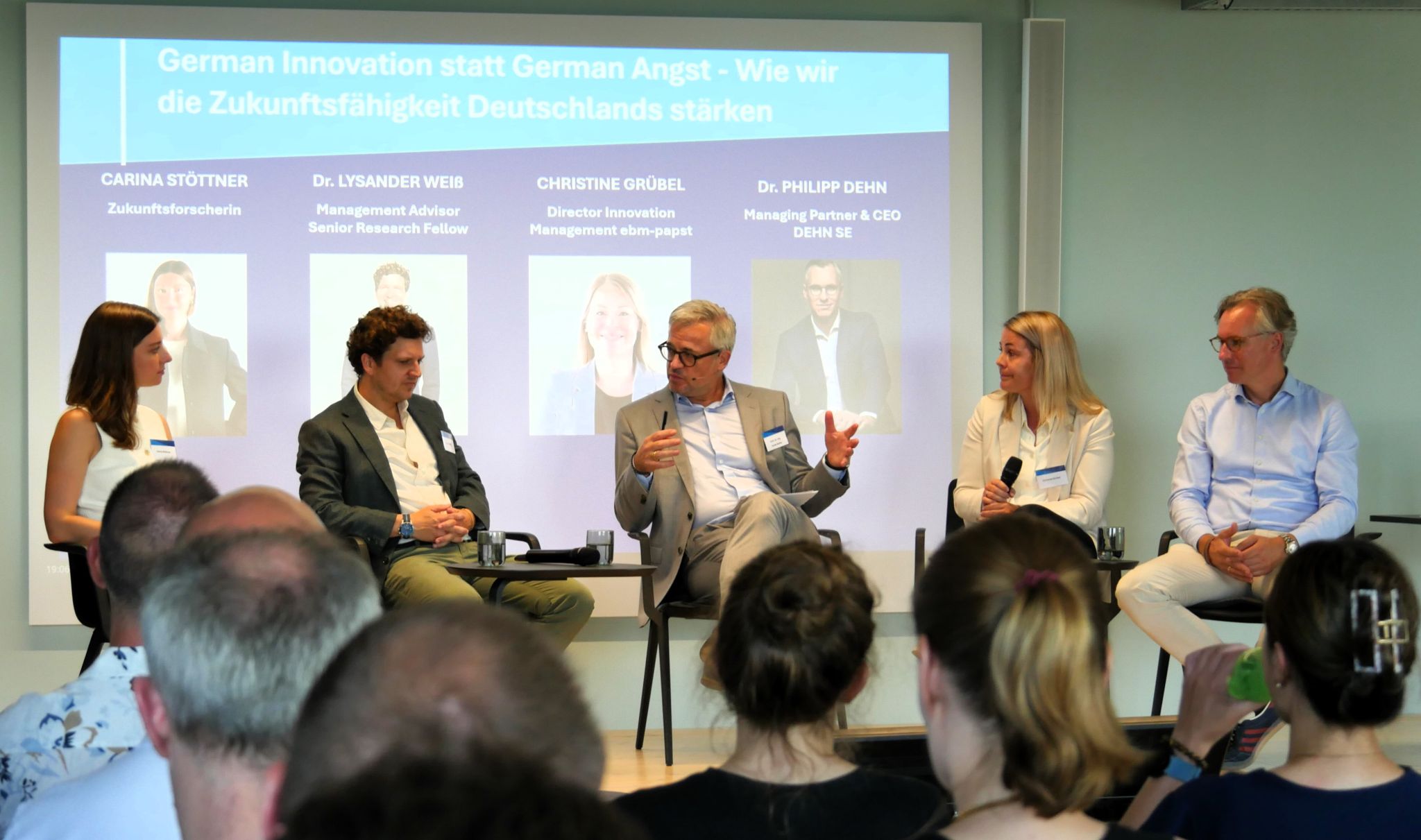
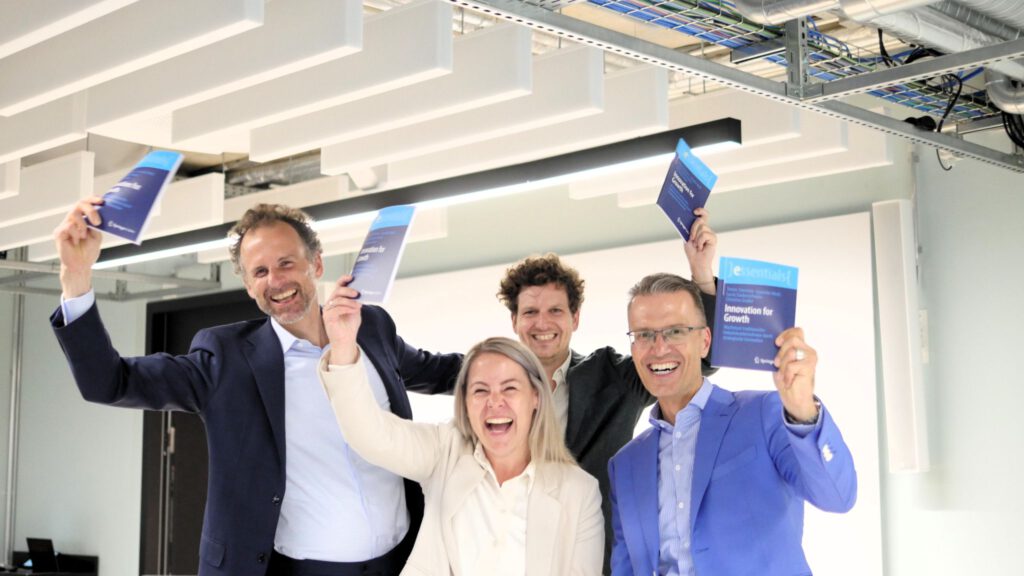
At the launch of Innovation for Growth at IPAI in Heilbronn, I presented four industry scenarios showing how the conditions around us are shifting — and which innovation strategies answer each of them.
Foresight + innovation = futures literacy
The key lies in connecting foresight with innovation. Building decisions on well-grounded assumptions about the future means deploying resources more precisely, calculating innovation risk more accurately and creating real competitive advantage. That’s what makes a company fit for what’s ahead.
A case in point: ebm-papst and Tomas Smetana
ebm-papst, under Prof. Tomas Smetana, is a striking example of how to restructure not just operationally but structurally. Through strategic innovation the company has managed to question its own field of business and develop it into something built to last — starting from a clear picture of the future and a willingness to leave old patterns behind.
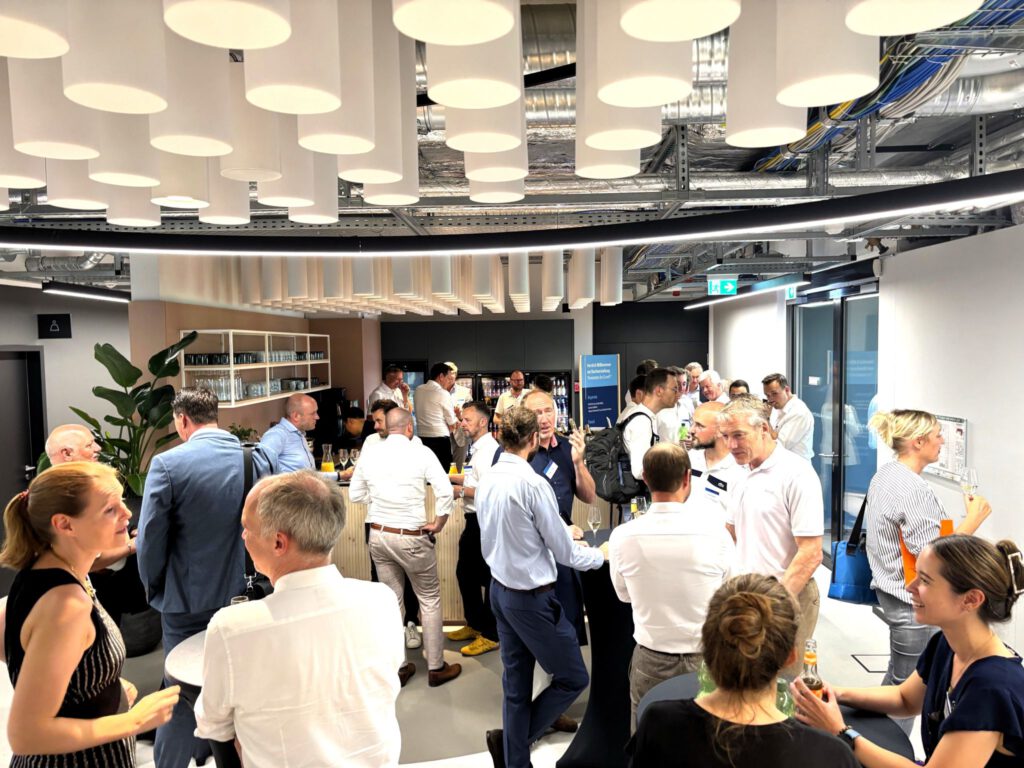
At the event in Heilbronn I was struck by how openly ebm-papst discusses its own business model — and by the nerve it takes to follow new thinking through.
Transformation starts in the mind
The conversations that evening confirmed something again: being ready for the future isn’t a question of technology alone. It starts with the capacity to question yourself, to make bold decisions — and to orient toward the markets that are coming.
My thanks to Tomas Smetana, Lucas Sauberschwarz, Christine Grübel, Dr. Lysander Weiß, Guido H. Baltes and Philipp Dehn for the stimulating conversations and ideas. Innovation for Growth is a real invitation to shift perspective — and a case for thinking in futures.