Author: admin

Hope for a Better Future: A Conversation on Stage at the Theater

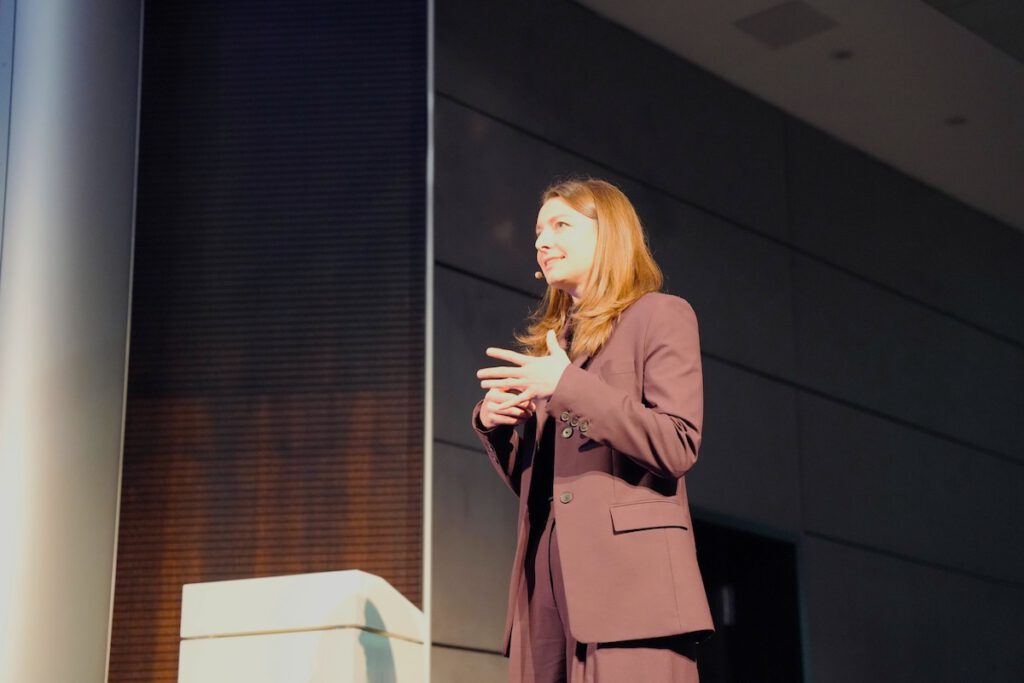
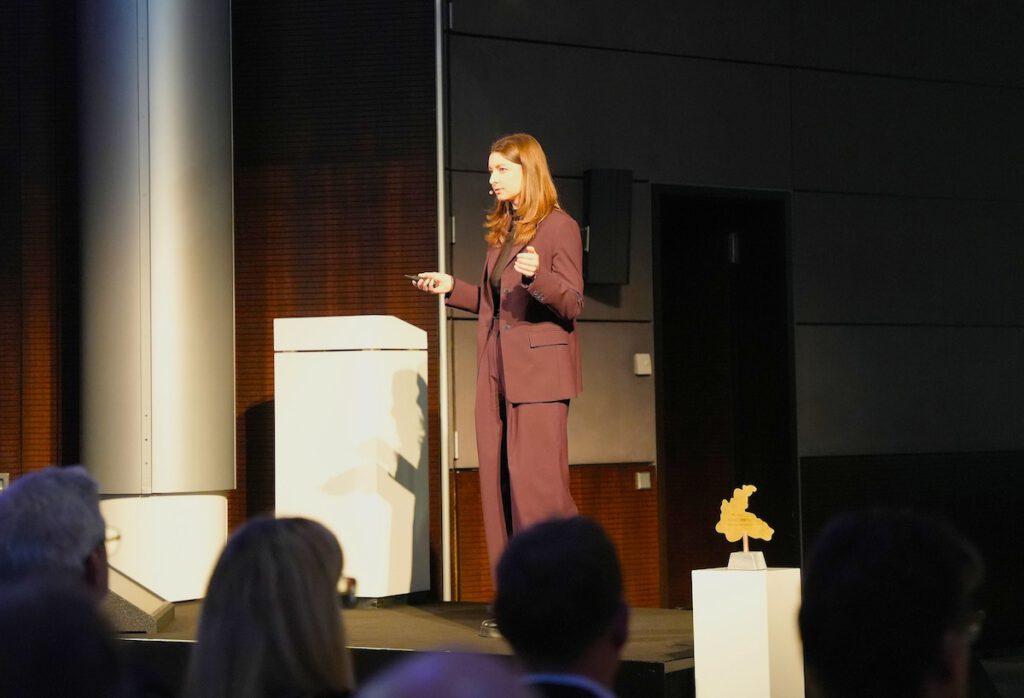
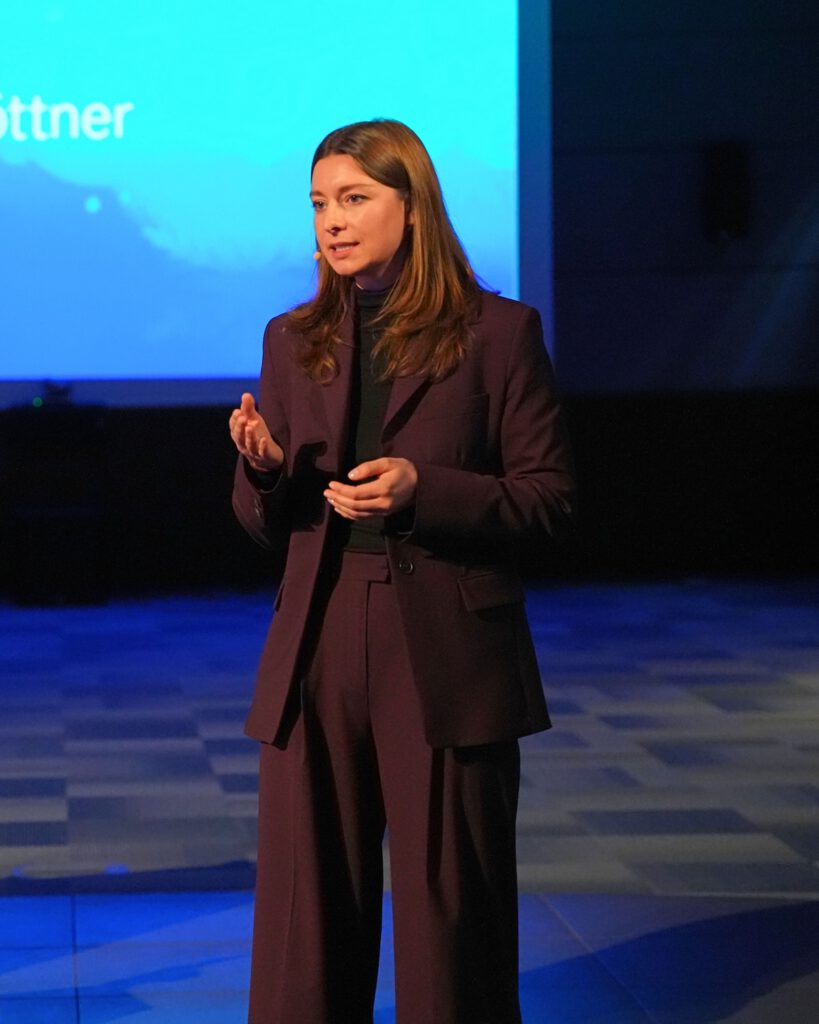
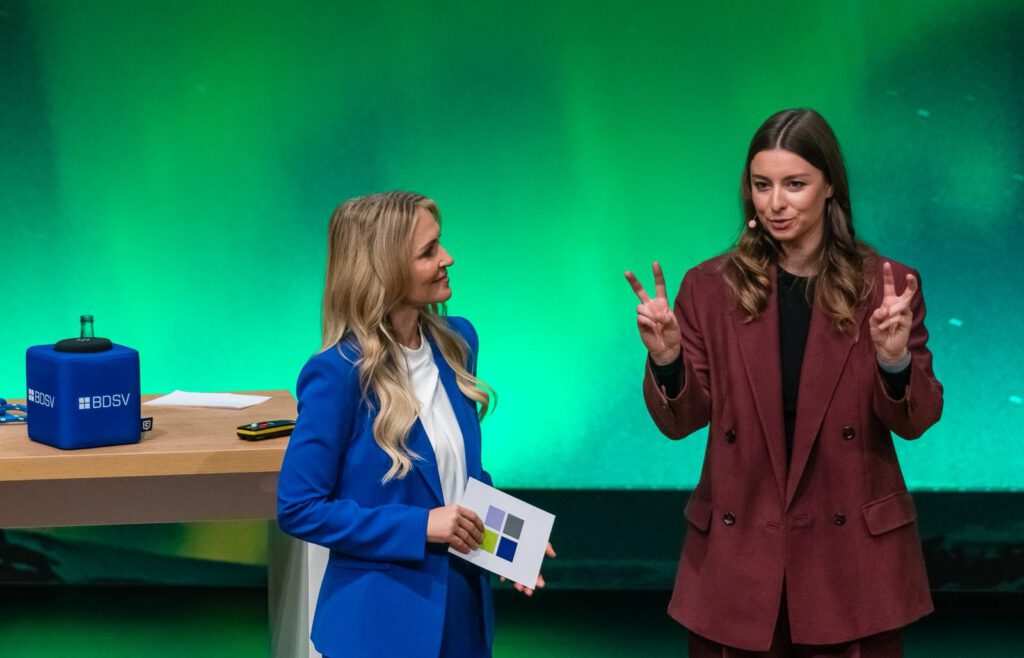
A conversation about trust, the future and social responsibility at the Markgrafentheater in Erlangen

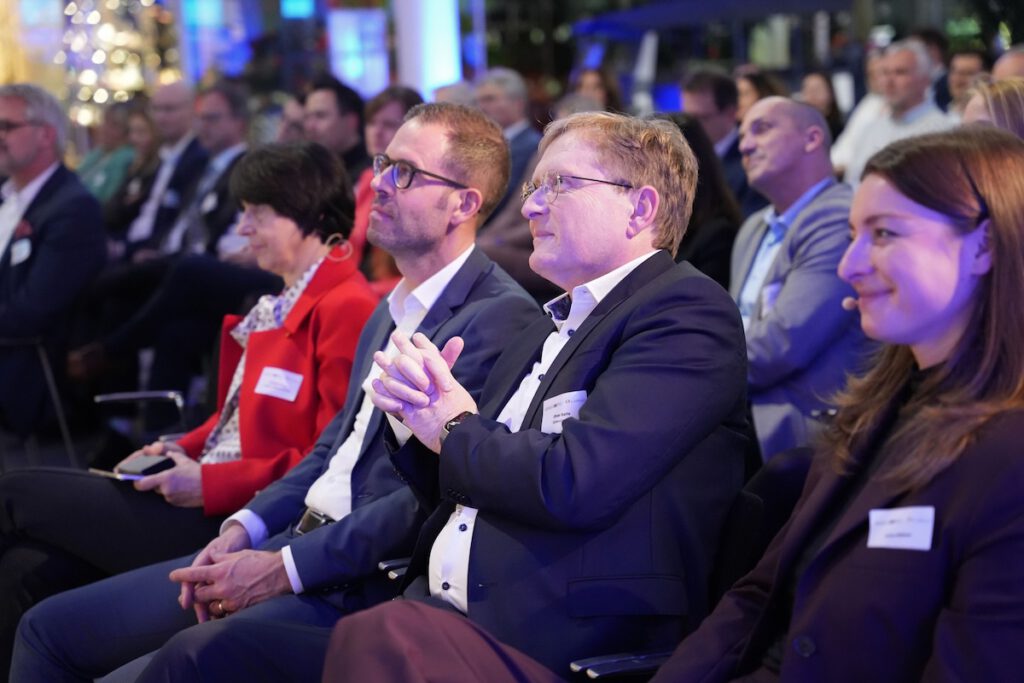
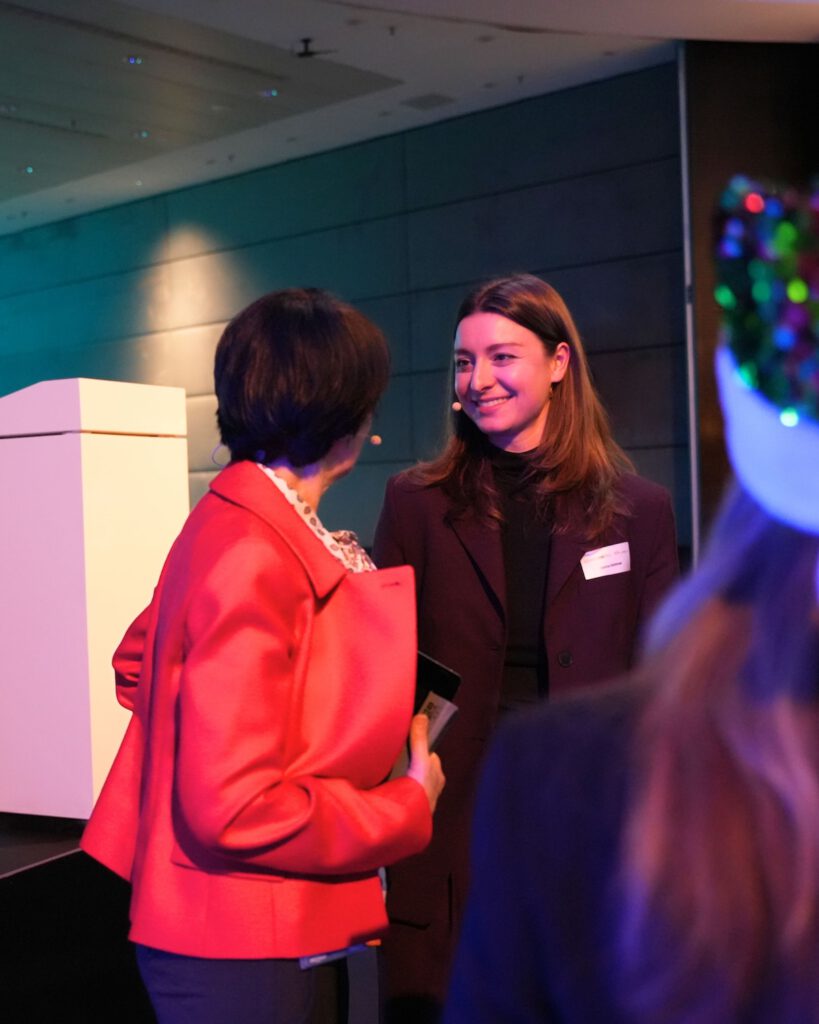
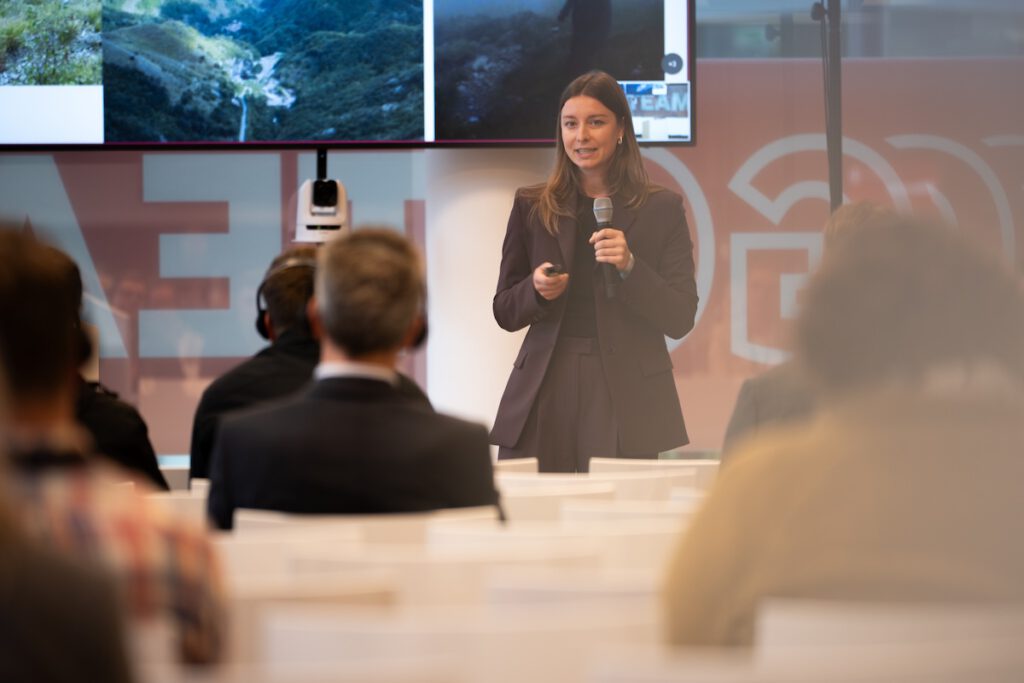
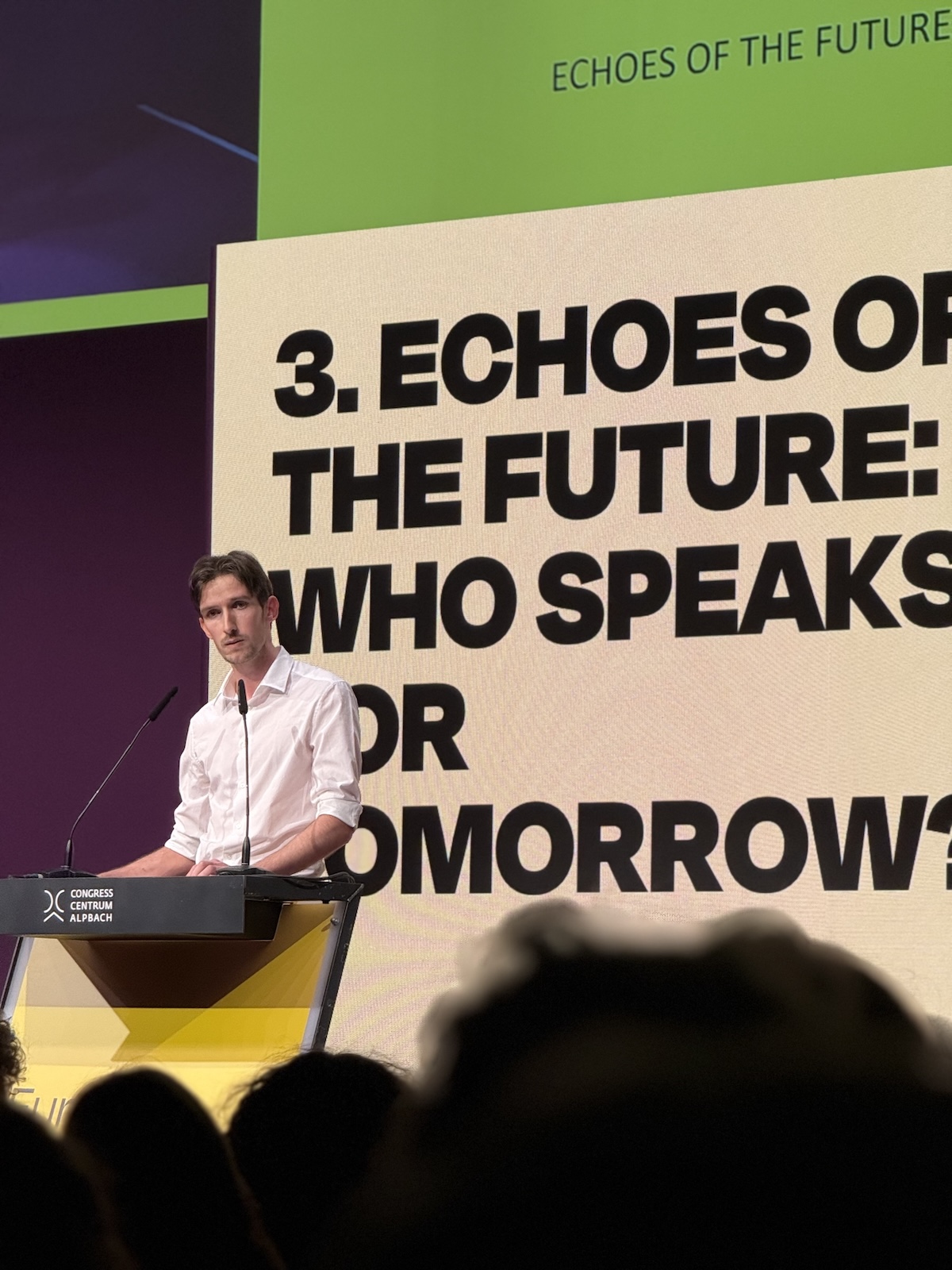
Can hope be learned again, in a time defined by overlapping crises, political radicalization, technological overload and a sense of powerlessness in the face of ecological breakdown? That question was at the center of the second edition of the talk series Amt 44 at Schauspiel Erlangen, held on 16 December 2025 at the Markgrafentheater.

After a successful first edition in the spring, the format returned to a subject that could hardly be more timely. Hosted by Matthias Köhler, resident director and part of the artistic leadership, the evening wasn’t about quick answers or moral certainties. As the format intends, what mattered was asking the right question.

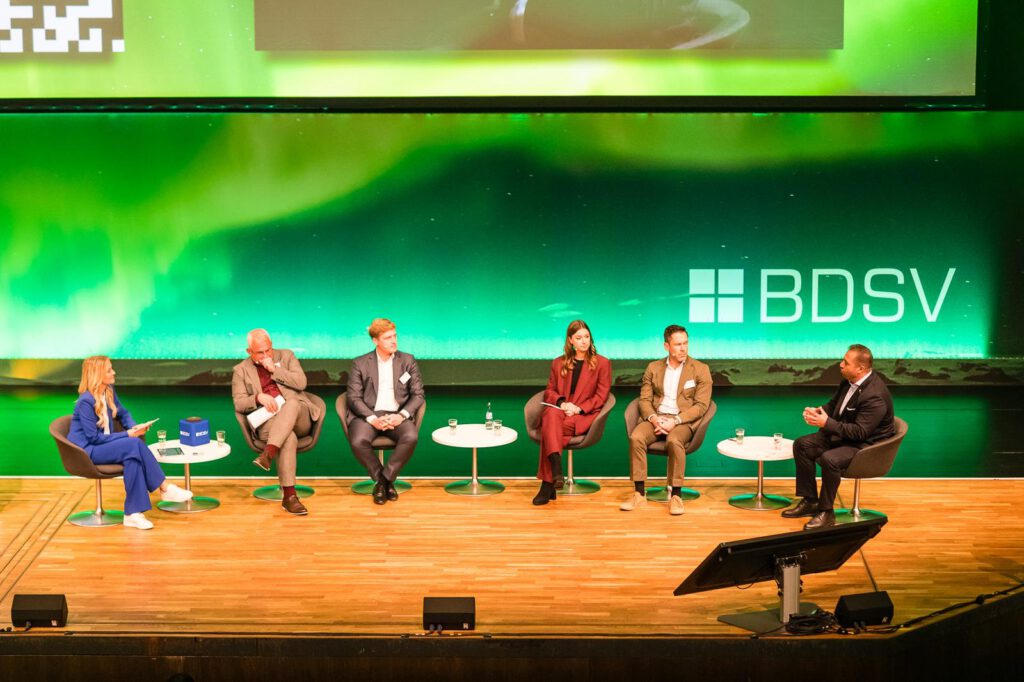
Four very different perspectives met on the panel:
Peter Dabrock, theologian, ethicist and former chair of the German Ethics Council;
Baro Vicenta Ra Gabbert, author, lawyer and spokesperson for social and ecological justice at Greenpeace;
Vincent C. Müller, philosopher and Humboldt Professor for the Philosophy of Artificial Intelligence;
and Carina Stoettner, futurist and adviser to leadership teams.

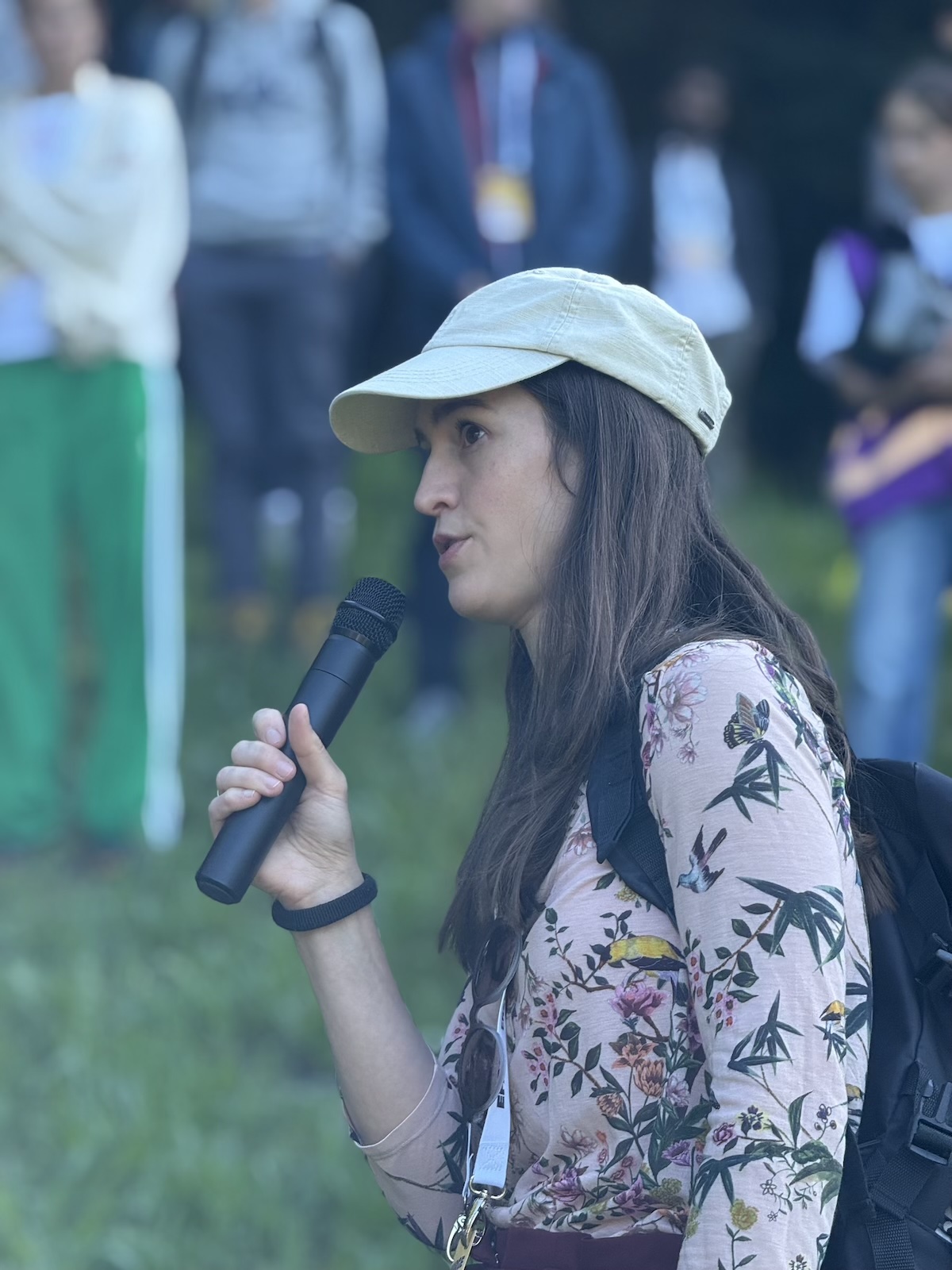
Peter Dabrock brought an ethical and theological perspective, understanding hope as a deliberate stance that keeps you able to act even without optimism. Baro Vicenta Ra Gabbert spoke from the practice of activism and showed how hope grows out of everyday commitment — through young people above all, even in the face of political setbacks. Vincent C. Müller opened a philosophical and technological horizon, arguing that thinking worst-case scenarios through properly is a precondition for shaping the future responsibly. Carina Stoettner placed the discussion in the context of futures research, arguing that hope at a societal level rests above all on trust — in the future and in one another — and on the quiet majority finding the courage to speak.

You can read more about the evening in the write-up by Rezensöhnchen or in the Nürnberger Nachrichten (both in German).

The verdict: an absorbing conversation, with plenty of spontaneous contributions and debate.

Would you like to book Carina Stoettner for a panel or a talk? Get in touch. More about the speaker.

Photos: Henrik Stelter

Opportunities for Industry: Carina Stoettner at the Audi Forum in Neckarsulm

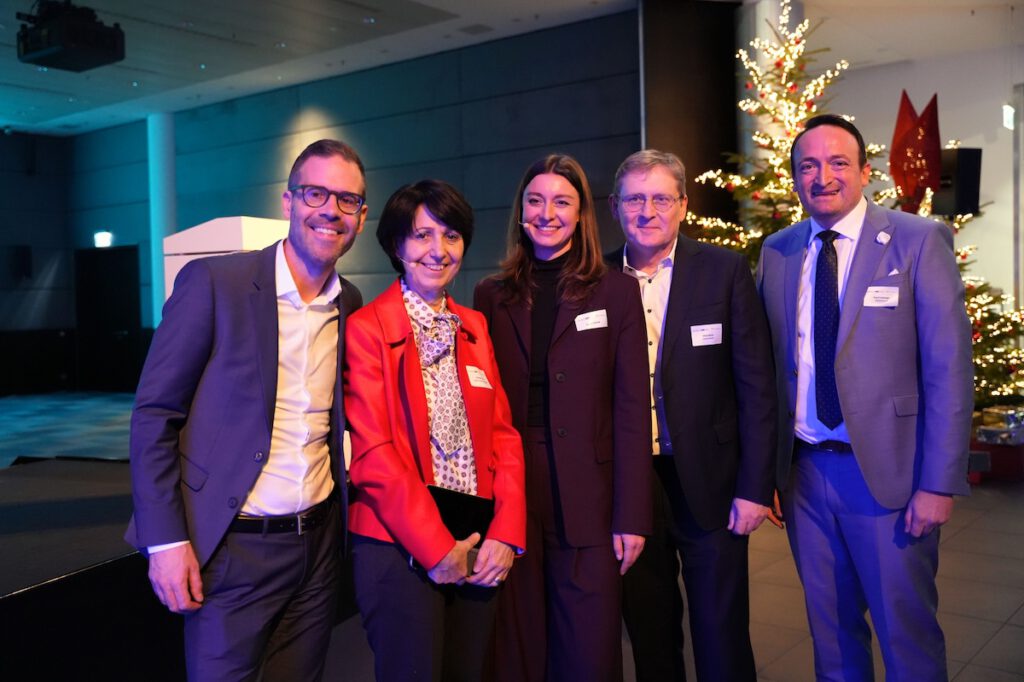
On 1 December 2025, Carina Stoettner was a guest at the Südwestmetall Heilbronn Christmas reception at the Audi Forum in Neckarsulm. Her talk looked at the future of German industry — at the opportunities within the transformation as much as the challenges facing companies and society. Communications consultant Christian Gleichauf wrote up the evening afterwards; his account forms the basis of what follows.


Deep tech is the thing we ought to be paying attention to. Carina Stoettner makes that very clear. And it has a little something to do with Heilbronn.

At the Südwestmetall Christmas reception at the Audi Forum last night, the futurist sketched out several possible futures worth thinking hard about.

In three of four scenarios, the good times in Europe don’t keep rolling. Only if we manage to build on our strengths and set off a few genuine breakthroughs do we get a future to look forward to.

That takes a society-wide willingness to engage with the new. Lifelong learning, a new relationship with science, a new sense of self in industry — in short, transformation.

In the end it will probably be a mix of scenarios. The familiar local-for-local approach will play a role one way or another. But you also have to hope the scenarios that would shrink the German and European economies into insignificance don’t come to pass.

What Stoettner does manage, in the space of a few minutes, is to make the urgency land — in front of an audience that deals with transformation every day of the week.

Christine Grotz, chair of the Heilbronn/Franconia district group at Südwestmetall, asks the fair question: what can we do? Stoettner appeals directly to the employers in the room: industry underestimates the leverage it has. Basic research is one example — and the state won’t be funding all of it. Nor will this happen without partnerships.

Former state secretary Friedlinde Gurr-Hirsch called for new approaches to training and apprenticeships. In front of more than 160 invited guests, Heiko Asum of Fibro Rundtische in Weinsberg put his finger on the sore spot: we’re not fast enough anymore.

Deep tech, collaboration between industry and science, combining Gyro Gearloose’s out-of-the-box thinking with Scrooge McDuck’s commercial instincts, using robotics to keep production in Europe, a clear focus on future technologies like AI, chip production and quantum computing. What’s striking about that list of ingredients: most of it is currently emerging in the Heilbronn ecosystem or out of it (Schwarz Group!).

So we’re watching a blueprint for Europe take shape. And if that’s our one chance of not going under, it sounds like there ought to be a majority prepared to at least pull in the same direction.

Doesn’t that sound like a Christmas message?

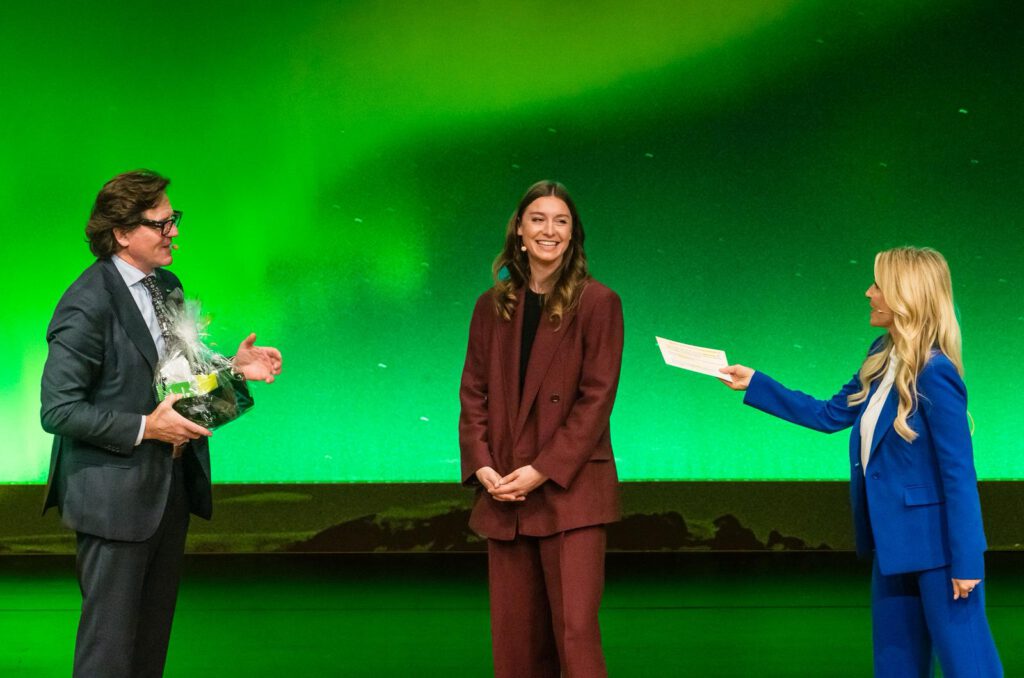
Also worth a mention: the inventive welcome video from Senta Woldeck and Güldeniz Acar (where was Jörg Ernstberger? 😉). And not to be forgotten — this year’s Herz der Wirtschaft award went to the Main-Tauber district and Futurelabs gGmbH, an initiative that encourages young people to experiment and gives them a way to put ideas into practice. Fitting, given the theme of the evening.

So — shall we give deep tech a chance?


This piece was originally published by Christian Gleichauf on LinkedIn. Christian is deeply connected in Heilbronn’s fast-growing ecosystem. He advises companies and institutions on communications, drawing on a background in journalism (more at www.wortCraft.de).


The Future of Industry: Keynote on Steel Recycling at the BDSV Industry Meeting 2025

What does the future of industry look like? On 15 and 16 October 2025, the German steel recycling sector gathered in Osnabrück for the annual BDSV industry meeting, held under the banner “Global, Future-Ready, Indispensable.” The event is one of the sector’s most important platforms for exchange and strategy in a period of industrial transformation.

Against a backdrop of geopolitical uncertainty, high energy prices and sluggish permitting, one question stood at the center:
how can industry — and steel recycling in particular — secure Europe’s ability to compete in the future?

Speaking as a futurist, Carina Stoettner used her talk “Four Scenarios for the Industry of Tomorrow — and What They Mean for Steel Recycling” to examine the technological, geopolitical and economic developments that will shape Europe’s industrial landscape through 2040.

Four scenarios for the industry of tomorrow

Stoettner set out how each possible future could play out for the steel and recycling sector:

  • Deep Tech Germany: new materials and high-tech steels turn recycling into a driver of innovation.
  • Designed in Germany, produced in the world: as production chains move abroad, recycling and material loops have to be thought about globally.
  • A regional European industry: protectionist tendencies create new competitive conditions — and recycling becomes a strategic resource.
  • Local for local: regional loops and resilient value chains provide stability in a fragmented world.

“Steel recycling is a precondition for Europe’s resilience”

Stoettner underlined the sector’s strategic importance for Europe’s future:

“Steel recycling is a precondition for Europe’s resilience. It contributes substantially to the continent’s infrastructure and its economic capacity. If the sector is to stay capable of innovating, it has to stay competitive even in a more protectionist environment.”

She made clear that industry can only secure its future if companies and policymakers think in terms of a shared picture of it, rather than short-term conflicts of interest:

“The local for local scenario is probably both the most realistic and the most constructive way forward. From the outside, it currently looks as though steel producers, traders and recyclers are blocking one another — while other parts of the world are already creating strategic facts on the ground.
Now is the moment to get past the fragmentation and recognize that this isn’t me against you. It’s Europe in global competition.”

Thinking ahead as a competitive factor

Stoettner’s contribution made a compelling case that futures thinking and strategic foresight are increasingly a competitive factor for industry. In the transformation of the European economy, integrating long-term developments — from energy and raw material markets to new technologies — systematically into strategic planning is decisive.

The message: if you want to shape the future, you have to think it through first — with clear scenarios, interdisciplinary thinking and the nerve to take on new perspectives.

Keynote at the Bavarian Tourism Day 2025

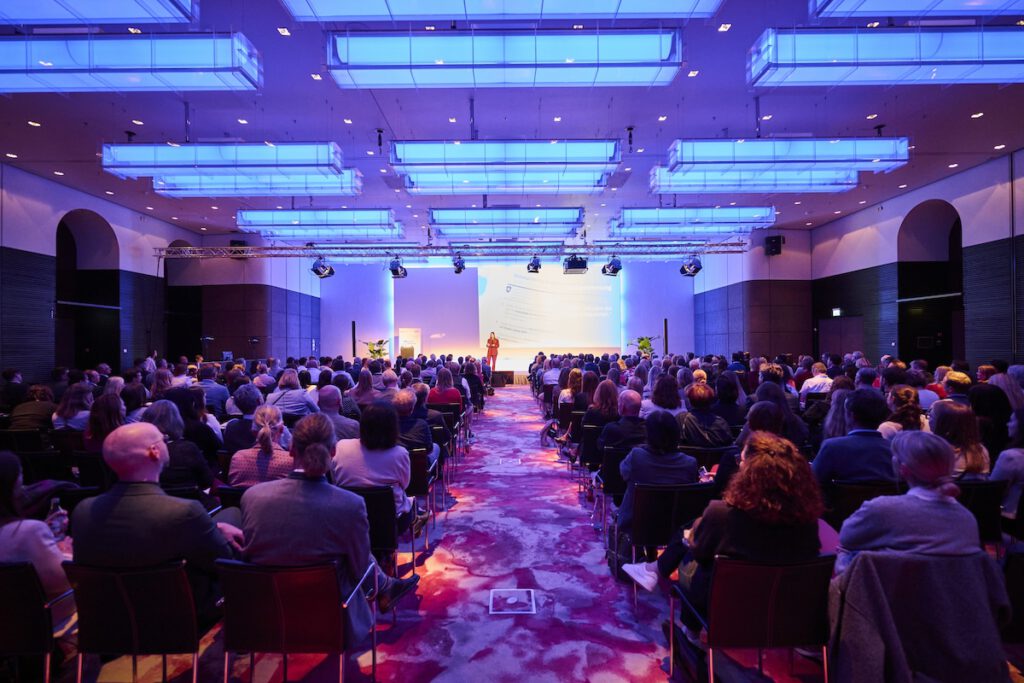
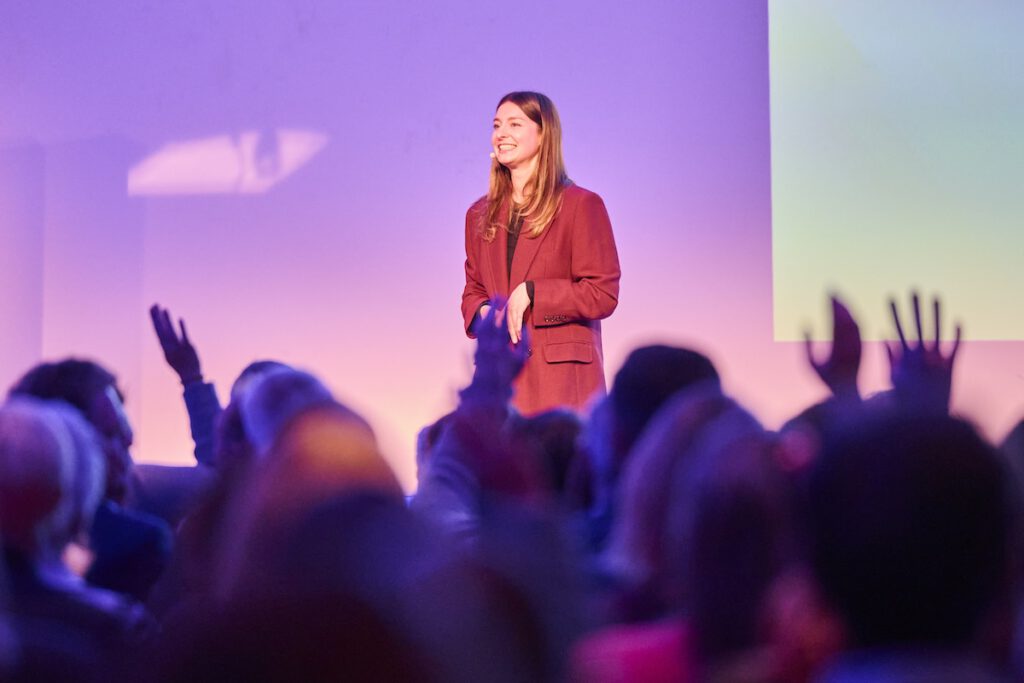
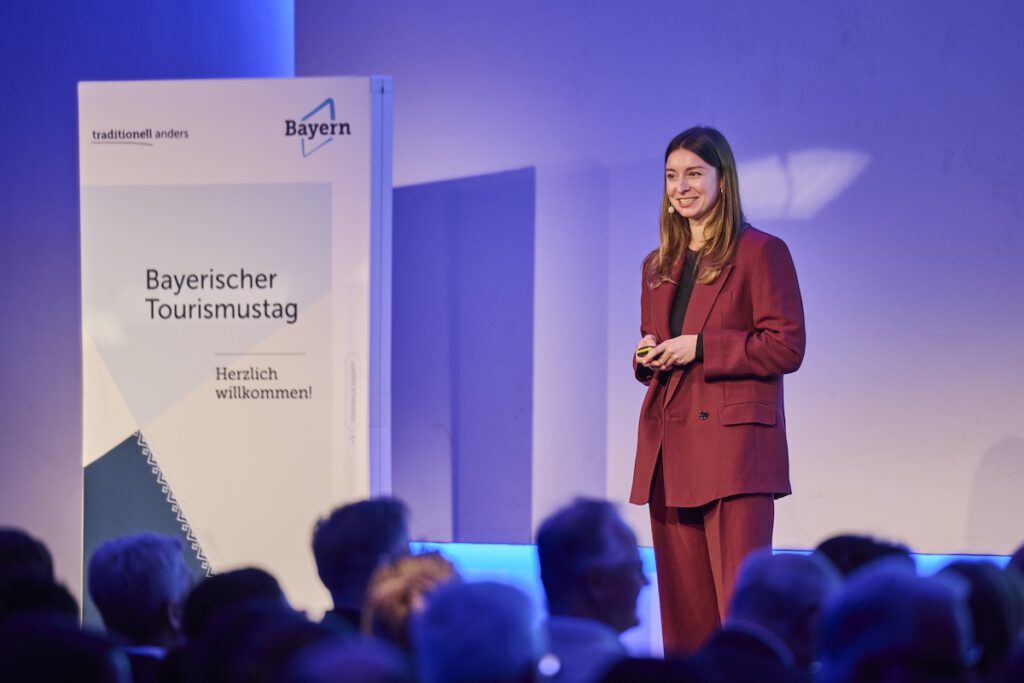
The Bavarian Tourism Day 2025 was all about working together. Under the theme “From Talking to Doing: Cooperation as a Success Factor in Tourism”, one thing came through clearly: turning good ideas into lasting action only works collectively.

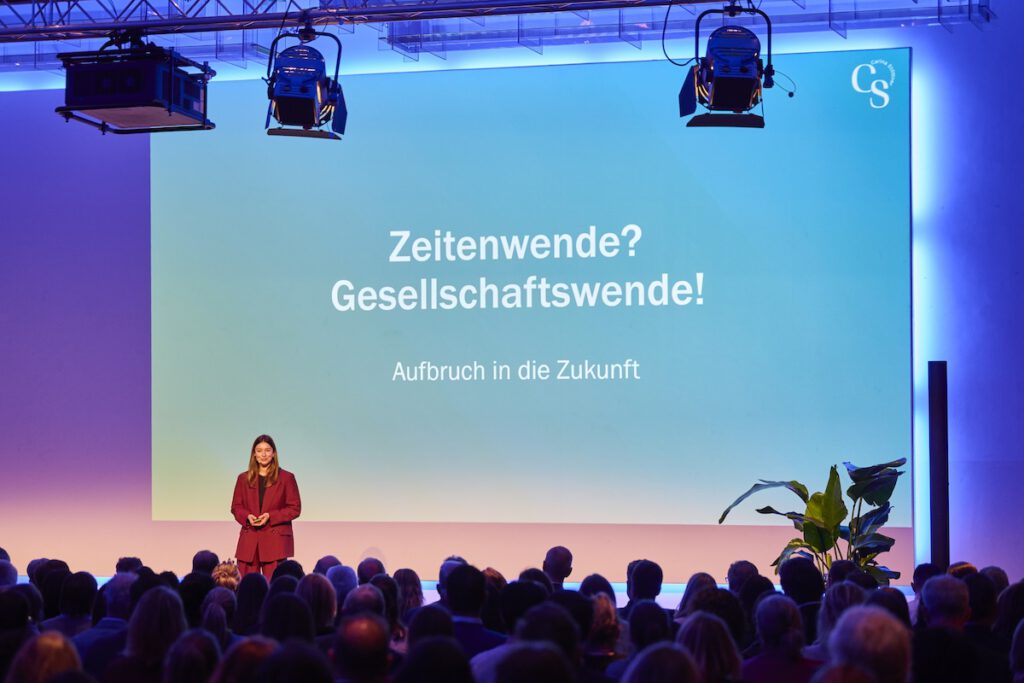
Carina Stoettner delivered the keynote, “Zeitenwende? A Society in Change,” inviting the audience to see change as an opportunity rather than a threat. The more complex our environment becomes, she argued, the more we need shared responsibility and new kinds of community.
The questions she explored:
➡️ Which social challenges do we have to overcome today in order to build a future worth living in?
➡️ What are the essential pillars of trust?
➡️ How can the “quiet majority” get louder — and why does that matter so much?
➡️ And how, in an age of AI and social media bubbles, do we get back to emphasizing what we have in common rather than what divides us?

Practical examples from Bavaria and beyond — Trans Bayerwald, the Übergangshaus Lübeck, the AzubiTopHotels and the Donaulimes museum network — showed vividly how cooperation works in practice and what it can achieve.

_____

Warm thanks to Barbara Radomski and the whole BayTM team for the invitation, to host Helena Felixberger for guiding the day with such charm — and to everyone who took part for the conversations along the way.

Photos: tourismus.bayern — Florian Trykowski

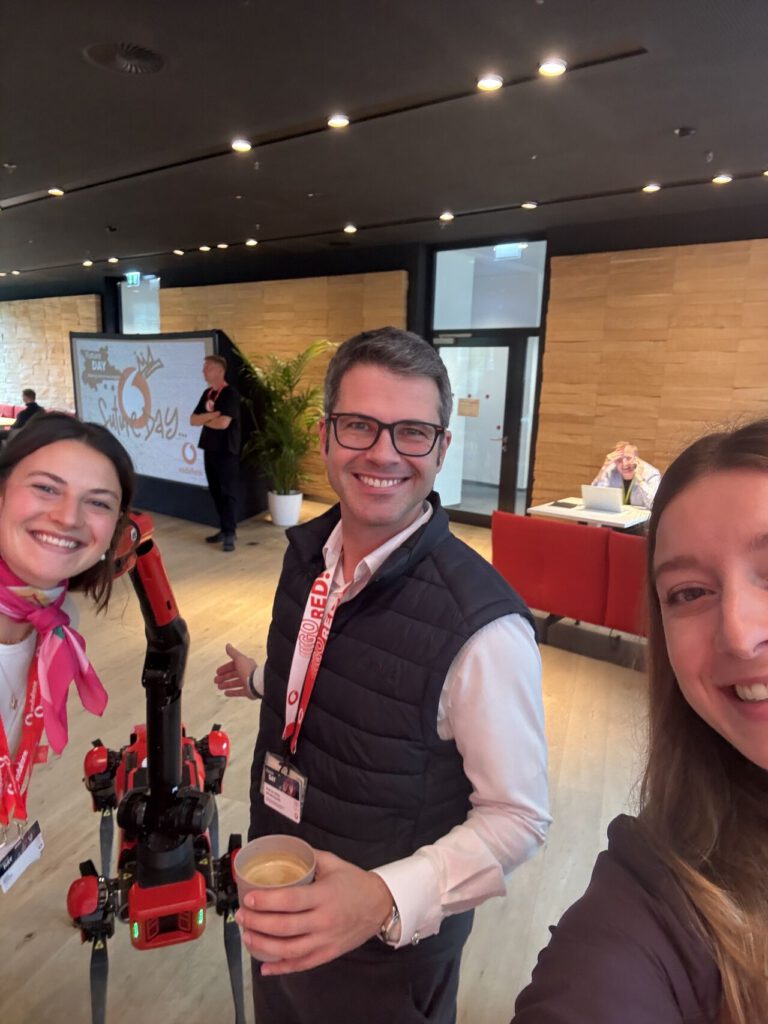
Futures Thinking — Stoettner at the Vodafone Future Day

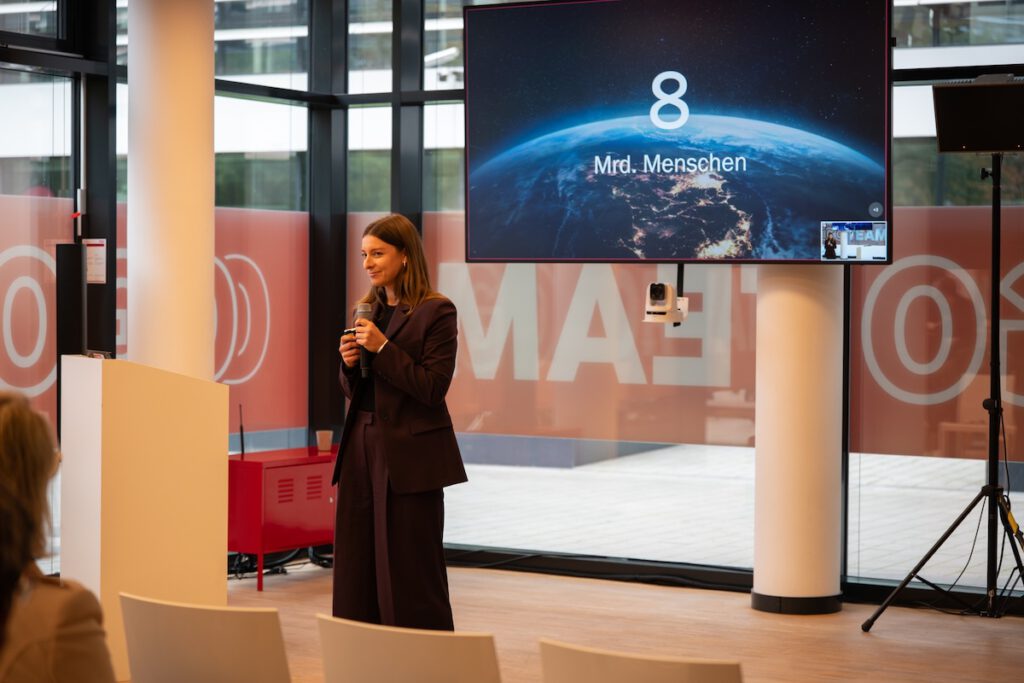
At the Vodafone Future Day, Carina Stoettner spoke about why thinking about the future has become a core leadership discipline — and what so often stands in the way. The brain, she explained, tends to think short-term and to register risks more strongly than opportunities — a mechanism that makes strategic action difficult in uncertain times.

Her work with leadership teams, she said, isn’t about predicting the future but about learning to work with uncertainty — because the uncertainty isn’t going anywhere. She showed which cognitive tendencies (the negativity bias among them) shape how we think about what’s ahead, how far out it makes sense to look, and why scenario thinking is such an effective tool for making complexity manageable.

The future, in Stoettner’s framing, isn’t a fixed point but a space to think in: sketch out several possible futures instead of clinging to a single truth, and you get your ability to act back.

Earlier in the day, Prof. Heiko von der Gracht offered a look at the scientific side of foresight work. He made clear that futures research isn’t fortune-telling: it rests on systematic observation, scenarios and the interpretation of signals. The future doesn’t arrive by accident, he argued — it can be explored methodically, by analyzing trends, wildcards and possible ruptures in a structured way.

Deutschlands Industrie 2045: Vier Zukünfte, die Sie überraschen werden

Warum wir alle am „Normalitätsbias“ leiden

Haben Sie schon einmal vom „Normalitätsbias“ gehört? Es ist die tief in unserem Gehirn verankerte Tendenz zu glauben, dass alles so weiterläuft wie bisher. Dieses Phänomen lässt sich besonders gut bei prognostizierten Hurricanes beobachten: Obwohl die Gefahr klar ist, halten viele Menschen bis zur letzten Minute daran fest, dass es sie schon nicht treffen wird. Wir unterschätzen Risiken und haben enorme Schwierigkeiten damit, tiefgreifende Veränderungen zu antizipieren.

Genau diese menschliche Eigenschaft ist eine strategische Gefahr für die deutsche Industrie. Zu glauben, der Status quo bliebe erhalten, ist in einer sich rasant wandelnden Welt das größte Risiko. Der Schlüssel zur Zukunftsfähigkeit liegt daher nicht in der Vorhersage, sondern im Denken in Szenarien – einem disziplinierten „Was wäre, wenn“-Ansatz. Nur wer sich heute mit möglichen Zukünften auseinandersetzt, kann in der Krise agieren, anstatt von ihr gelähmt zu werden.

Genau das habe ich in der Studie „Zukunftsszenarien für die Industrie und Industriearbeit“ getan. Dabei habe ich zusammen mit meinen Co-Autoren Jan Berger, Carsten Brandes, Andreas Katzer vier plausible, aber radikal unterschiedliche Zukünfte für die deutsche Industrie im Jahr 2045 entworfen. Dieser Artikel stellt Ihnen die vier überraschendsten Erkenntnisse aus diesen Szenarien vor – vier Aussichten, die unser Bild von der Zukunft radikal in Frage stellen.

Die vier überraschendsten Zukunftsaussichten für die deutsche Industrie

1. Deutschlands Apple-Dilemma: Wohlstand für die Elite, Abstieg für den Rest?

Im Szenario „Designed in Germany, Made in the World“ folgt Deutschland dem Vorbild von Apple: Designed by Apple in California, assembled in China. Die deutsche Industrie spezialisiert sich auf ihre Kernkompetenzen in Forschung, Entwicklung und Design. Ergänzt wird dies durch den Ausbau von Plattform- und Servicelösungen („X-as-a-Service“). Die physische Produktion beschränkt sich auf hochqualitative Kleinserien, während die kostenintensive Massenproduktion konsequent in kosteneffizientere Länder verlagert wird.

Die überraschende und potenziell explosive Konsequenz dieses Modells ist nicht wirtschaftlicher, sondern sozialer Natur. Es entsteht eine tiefe gesellschaftliche Kluft. Auf der einen Seite steht eine hochqualifizierte, international vernetzte und sehr gut verdienende „Industrie-Elite“, die in den Entwicklungszentren arbeitet. Auf der anderen Seite stehen die ehemaligen Facharbeiter aus der Produktion, die in andere Sektoren abwandern oder Schwierigkeiten haben, auf dem neuen Arbeitsmarkt Fuß zu fassen. Dieser Strukturwandel erinnert an den Niedergang der deutschen Textilindustrie, der die soziale Sprengkraft einer solchen Entwicklung verdeutlicht.

2. Resilienz hat ihren Preis: Warum ein autarkes Europa uns ärmer machen könnte

Das Szenario „Europäische Regional-Industrie“ beschreibt eine Zukunft, die von Protektionismus und dem Wunsch nach regionaler Stabilität geprägt ist. Getrieben von geopolitischen Spannungen koppelt sich Europa vom Weltmarkt ab, um Abhängigkeiten zu reduzieren und die Versorgungssicherheit zu gewährleisten. Die Produktion wird nach Deutschland und Europa zurückgeholt (Reshoring).

Die kontraintuitive Kernaussage dieses Szenarios lautet: Der verständliche Wunsch nach mehr Sicherheit könnte Deutschland ärmer machen. Die Abkopplung vom Weltmarkt würde die Exportnation hart treffen. Berechnungen der Stiftung Familienunternehmen deuten darauf hin, dass das reale Pro-Kopf-Einkommen kurzfristig um bis zu 20 % sinken könnte, langfristig um 6 %. In dieser Zukunft gäbe es klare Verlierer wie die Automobilindustrie und die Hochtechnologie, während Grundversorger wie Lebensmittel, Energie (Biomasse, Atomkraft) und die Recycling-Wirtschaft zu den Gewinnern zählten. Innovation bedeutet hier nicht, bahnbrechende Technologien zu schaffen, sondern erfordert einen frugalen Ansatz mit begrenzten Mitteln: die kreative Fähigkeit, buchstäblich „das Rad neu zu erfinden“, indem man bestehende Produkte mit den Ressourcen baut, die gerade verfügbar sind.

3. Das Ende deutscher Standards: Wenn die Waschmaschine bald ein „Sari-Programm“ hat

Im Szenario „Local for Local“ reagieren deutsche Unternehmen auf globale Unsicherheiten, indem sie Produktionsstätten in jeder wichtigen Weltregion aufbauen, um die dortigen Märkte direkt zu bedienen. Forschung und Entwicklung (F&E) bleiben zunächst in Deutschland, doch die globale Machtbalance verschiebt sich. Die Produktentwicklung richtet sich zunehmend nicht mehr nach europäischen, sondern nach den bevölkerungsstärkeren und kaufkräftigeren Regionalblöcken wie Indien aus.

Die überraschendste Folge ist der Verlust der globalen Standardsetzungsmacht Deutschlands. Das prägnante Beispiel aus der Studie verdeutlicht dies:

“Das heißt, ich habe vielleicht eine Waschmaschine, die in Zukunft statt einem Feinwaschprogramm ein Sari Waschprogramm hat und wir bekommen dann im Grunde nur noch die Anpassung.”

Deutschland wäre nicht mehr der globale Taktgeber, sondern nur noch ein Markt, für den Produkte angepasst werden. Dieser Machtverlust würde langfristig auch die entscheidende Frage aufwerfen, warum Forschung und Entwicklung überhaupt noch in Deutschland angesiedelt sein sollten, wenn die wichtigsten Kunden und Märkte woanders sitzen.

4. Der neue Industriearbeiter: Mehr Daniel Düsentrieb als klassischer Facharbeiter

Das optimistischste Szenario heißt „Deeptech-Deutschland“. Hier geht es nicht darum, bestehende Produkte nur zu optimieren – ein Auto noch etwas schneller oder effizienter zu machen –, sondern darum, fundamentale Probleme wie den Klimawandel oder Überalterung auf einer grundlegenden Ebene zu lösen. Deutschland entwickelt sich zu einem weltweit führenden Standort für hochinnovative Technologien wie selbstheilende Materialien, klimaresistente Pflanzen oder Lebensmittel aus der Petrischale.

Die überraschendste Anforderung dieser Zukunft betrifft die Arbeitskräfte. Gefragt sind nicht mehr nur klassisch ausgebildete Ingenieure, sondern sogenannte „New Collar Worker“. Dieser neue Typus von Industriearbeiter vereint technische, manuelle und theoretische Kompetenzen. Oft sind es Quereinsteiger aus völlig anderen Disziplinen, die neue Perspektiven einbringen. Die Studie nutzt eine treffende Analogie: Gefragt ist der Geist eines „Daniel Düsentrieb“, also eines genialen Erfinders, kombiniert mit einem „Dagobert Duck Mindset“ – dem unternehmerischen Gespür, aus brillanten Ideen auch wirtschaftlich erfolgreiche Produkte zu machen.

Fazit: Die Zukunft ist, was wir daraus machen

Diese vier Szenarien sind keine Vorhersagen. Sie sind plausible Gedankenexperimente, die uns die Bandbreite möglicher Zukünfte aufzeigen und helfen, den „Normalitätsbias“ zu überwinden. Sie zwingen uns, unbequeme Fragen zu stellen und strategische Optionen für morgen schon heute zu durchdenken. Die Zukunft ist nicht vorbestimmt. Die Weichen werden zwischen einem gespaltenen Eliten-Staat, einem resilienten, aber ärmeren Kontinent, dem Verlust globalen Einflusses oder der anspruchsvollen Neuerfindung unserer Arbeitswelt gestellt.

Wenn Sie Interesse an einer Keynote zu dem Thema haben oder in den Austausch dazu gehen möchten, weil Sie oder Ihre Kunden Teil der europäischen Industrie sind, sprechen Sie mich gerne an.

European Forum Alpbach 2025 — European inspiration between alpine panoramas and geopolitical debate

European Forum Alpbach 2025 – Inspiration zwischen Alpenpanorama und geopolitischen Debatten

  • Carina Stöttner

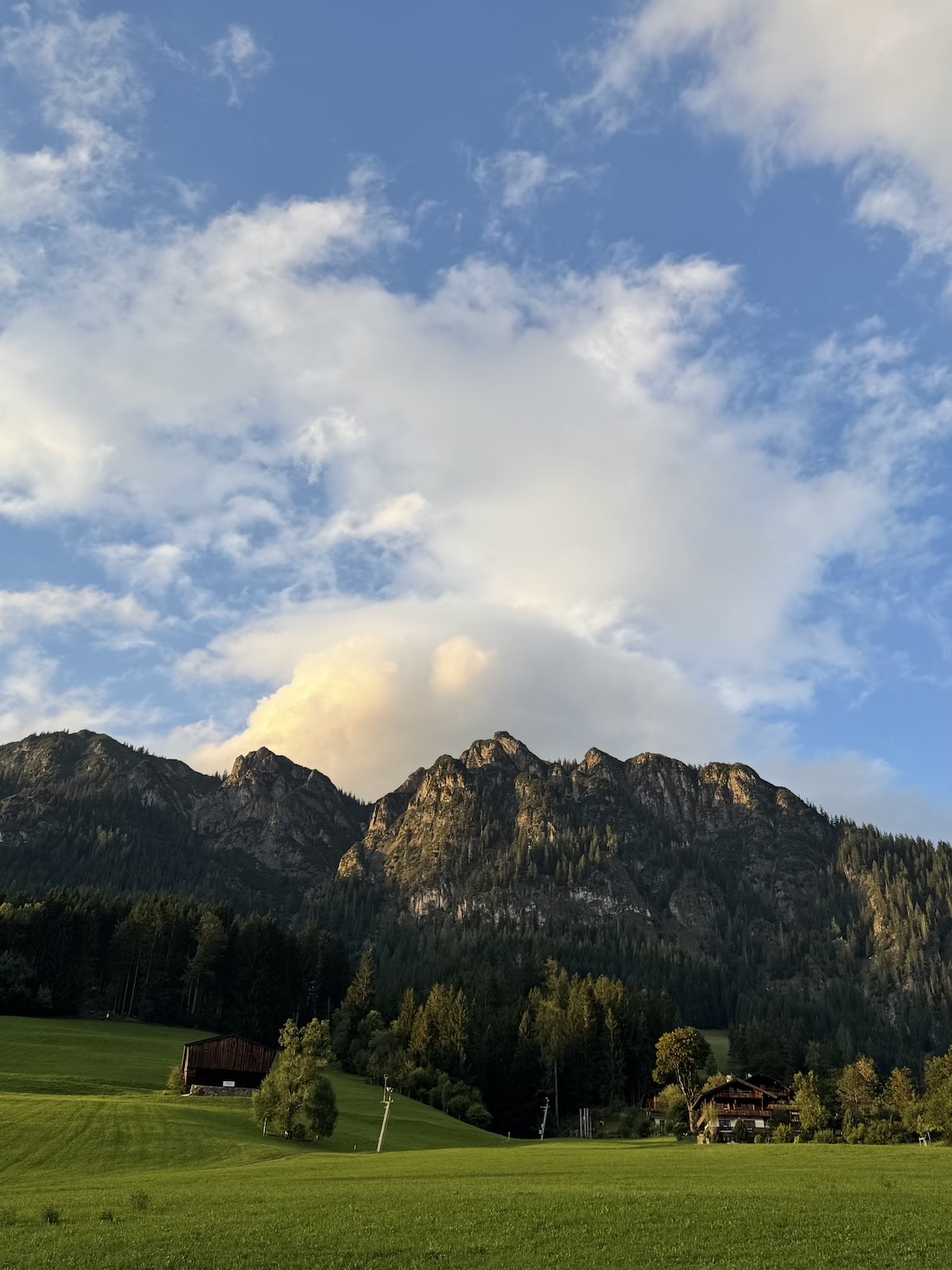
Wenn Nobelpreisträger, Kanzlerkandidaten, Außenministerinnen, Ministerpräsidenten, Tech-Leader, EU-Botschafter und führende Wissenschaftlerinnen zusammenkommen und buchstäblich gemeinsam auf Wanderschaft gehen, um miteinander zu sprechen, dann ist man wohl in Alpbach gelandet.

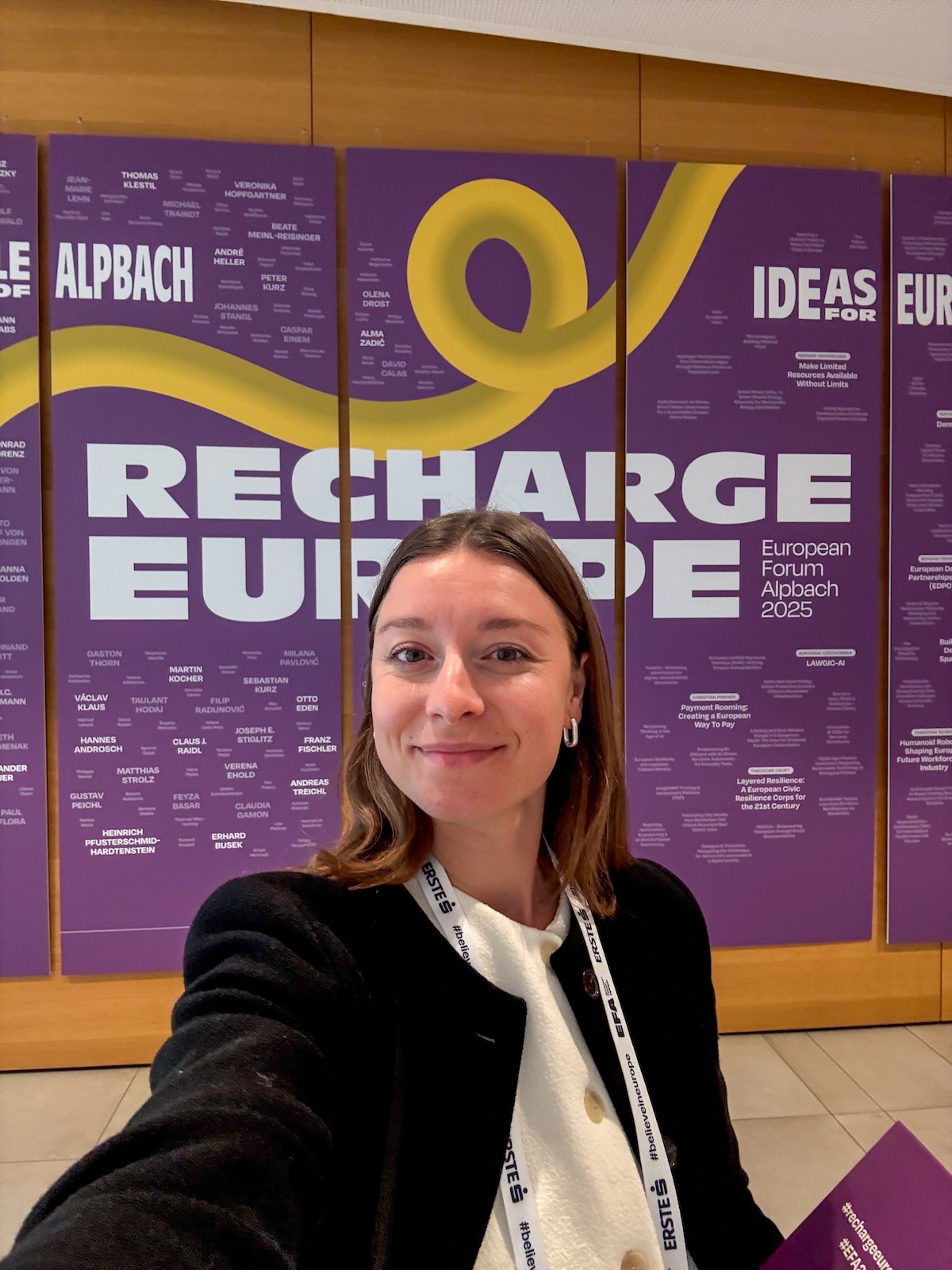
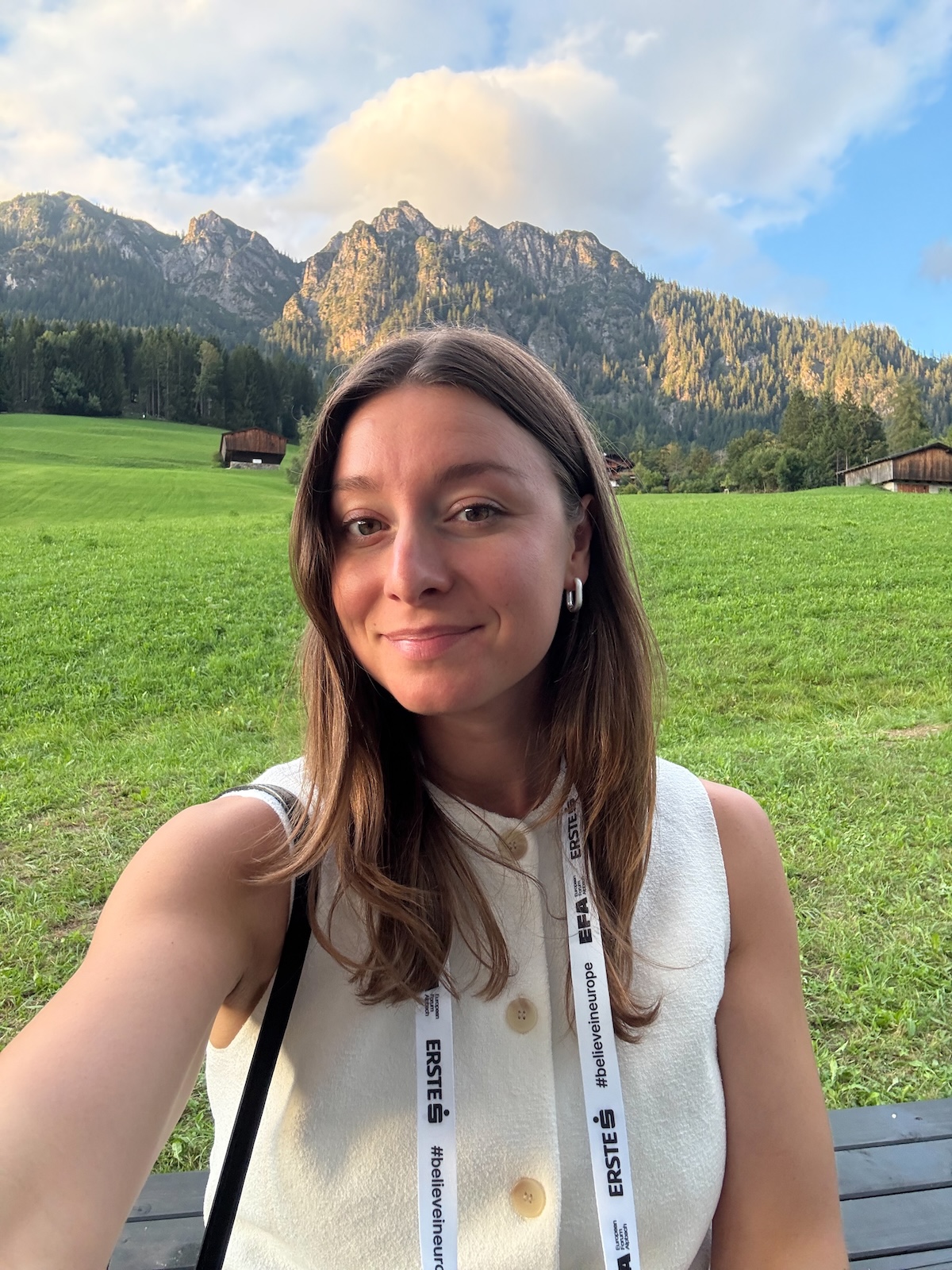
Das European Forum Alpbach (EFA) gilt als eine Art „europäisches Davos“ mit starkem Fokus auf Demokratie, Gesellschaft und die Rolle Europas in der Welt. Seit 1945 ist das kleine Tiroler Alpendorf einmal im Jahr ein Treffpunkt für Menschen, die Zukunft gestalten: Entscheidungsträger:innen, Vordenker:innen, junge Talente. Unter dem Motto „Recharge Europe“ stand 2025 die Frage im Mittelpunkt, wie Europa in Zeiten multipler Krisen wieder Energie und Orientierungskraft entwickeln kann.

Ich war dieses Jahr erstmals dabei und wollte bewusst einmal aus meiner klassischen Wirtschafts-Bubble in die EU- und Zivilgesellschafts-Bubble springen. Denn welche politischen Rahmenbedingungen gerade im Hintergrund verhandelt werden und welche gesellschaftlichen Zukunftsfragen dort diskutiert werden, ist letztlich auch für die Zukunft von Unternehmen und Wirtschaft hochrelevant.

Ein schönes Zitat aus einem Image-Film als Auftakt zu einer der Diskussionsrunden:

„Dieser Kontinent ist nicht auf Selbstzweifel gegründet. Er besteht aus Menschen mit Mut, Solidarität und dem Willen, ihre Stimme zu erheben.“

Othmar Karas, Präsident des Europäischen Forums Alpbach sagt, wir müssen uns in Perspektivenvielfalt üben:

„Jemand anderes kann genauso recht haben wie ich. Der Schlüssel liegt darin, Kompromisse zu finden.“

Meine Sessions & Eindrücke

Mainstreaming von Extremismus: Wo ist die rote Linie für die Demokratie?

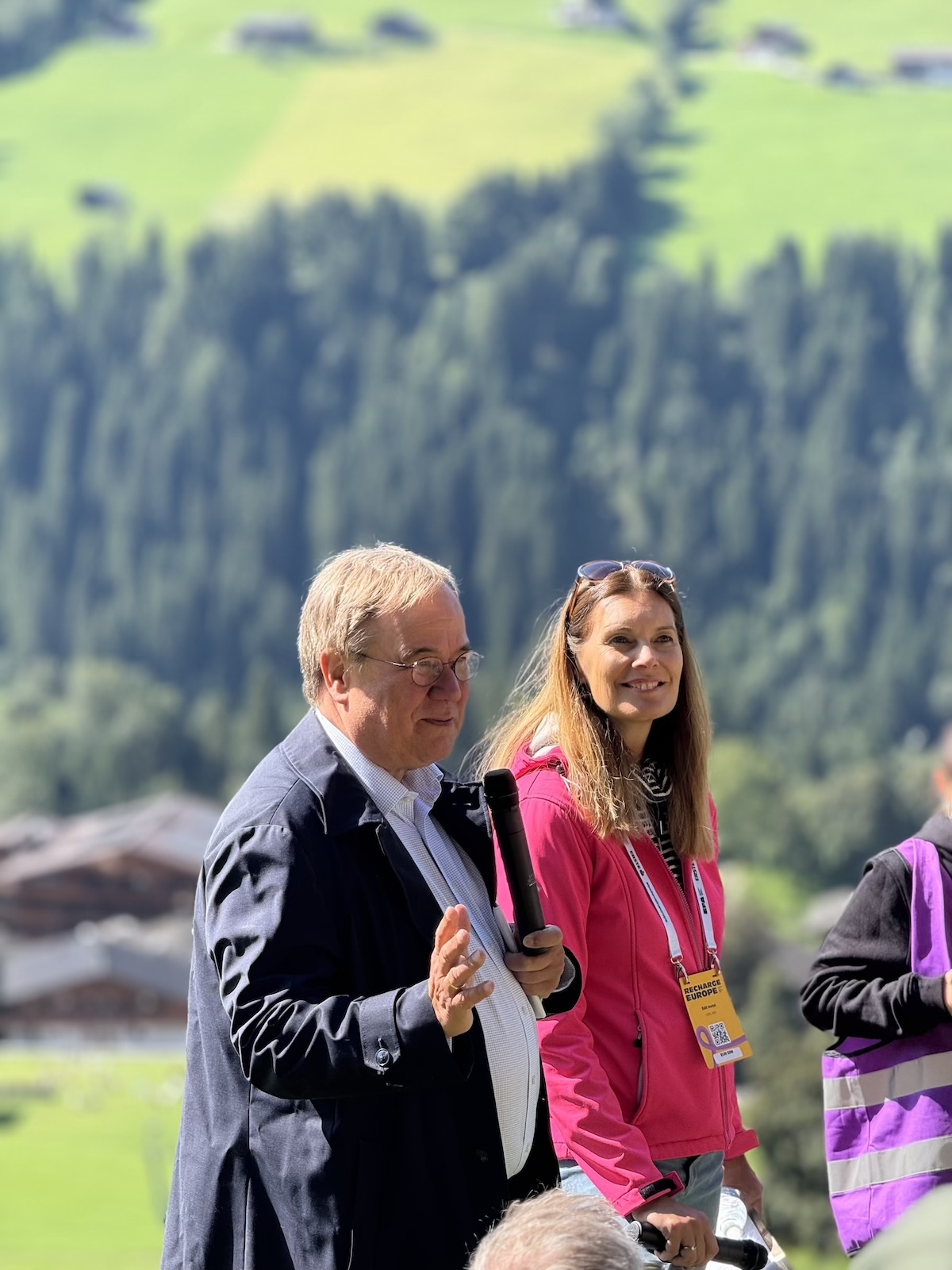
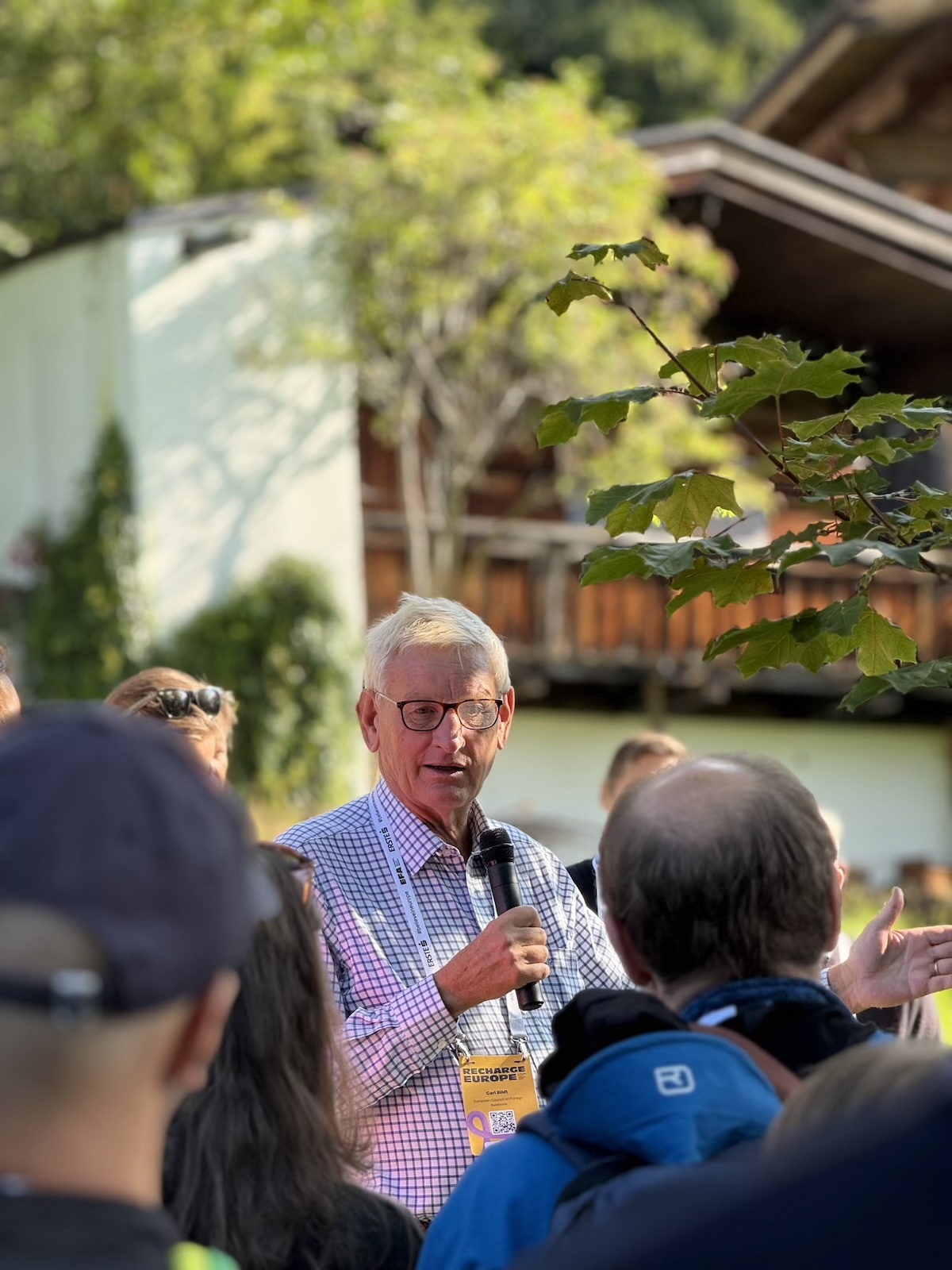
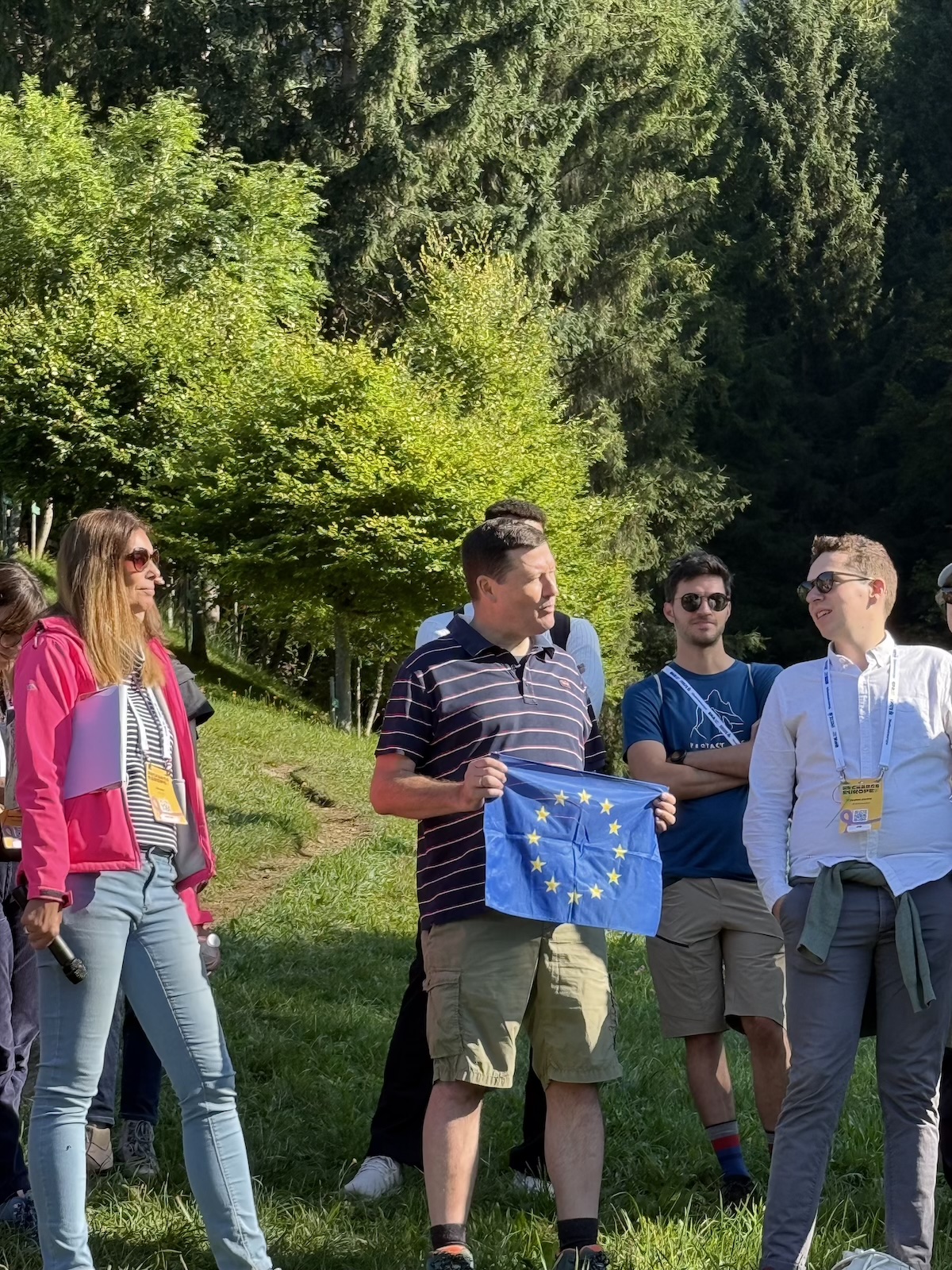
Auf einer Wanderung diskutierte ich mit u. a. Armin Laschet, Carl Bildt, Julia Ebner und Peter Neumann über die Gefahren, wenn extremistische Narrative in den gesellschaftlichen Mainstream einsickern. Wie robust sind unsere Demokratien noch und wo verlaufen die roten Linien, die wir schützen müssen? Besonders eindrücklich war, wie nah politische Praxis und wissenschaftliche Analyse hier zusammengebracht wurden und das nicht im Konferenzsaal, sondern beim Gehen durch die Berge.

“Changing democracy is a hidden process. We need to secure our democratic structures davor, von Rechtspopulisten niedergeschlagen zu werden.” – Armin Laschet, former Minister President of North Rhine-Westphalia & Member of the German Bundestag

Vereint oder losgelöst? Der Kampf um Europas Identität und Zukunft

Mit Martin Selmayr, Helmut Brandstätter, Edit Inotai und Josephine van Zeben ging es um die zentrale Frage: Wie definiert sich Europa in einer Welt, die immer fragmentierter wirkt? Spannend war vor allem, wie unterschiedlich politische, mediale und akademische Perspektiven die Herausforderungen, aber auch die Chancen für die europäische Identität beleuchteten.

 „Externe Kräfte, China, Russland, die USA, tragen zur Anheizung von Extremismus bei. Doch damit er verfängt, müssen in der Gesellschaft bereits Bruchlinien vorhanden sein: eine Bankenkrise, Migrationsdruck oder ähnliche Schwachstellen.“ – Carl Bildt, ehemaliger Ministerpräsident von Schweden

In einem Gespräch während der Wanderung mit Martin Selmayr, EU-Botschafter Rom; ehemaliger Generalsekretär der Europäischen Kommission, über die Ukraine sagte er folgendes:

„Die Herausforderung für eine Gesellschaft und ein System besteht nicht nur darin, von Frieden zu Krieg zu gehen, sondern auch darin, als Nation vom Krieg wieder in den Frieden zurückzukehren.“

Auch sagt er:

„Ich bin fest überzeugt: In nur wenigen Jahren werden wir mehr als 30 Mitgliedstaaten haben.“ und bezieht sich dabei auch auf die Ukraine als neues Mitglied.

Dr. Julia Ebner, Senior Research Fellow & Leiterin des Violent Extremism Lab am Institute for Strategic Dialogue (ISD), University of Oxford, die lange tief in die extremistische Szene eingetaucht ist, meinte:

„Vertrauen verlagert sich von Institutionen hin zu einzelnen Personen, häufig zu Influencern, anstatt in etablierte Organisationen.“ Diese Dynamik sollten wir uns zu Nutze machen.

Josephine van Zeben, Professorin für transnationales Recht; Prorektor für Bildung und akademische Personalentwicklung, European University Institute sagt:

„Wir sprechen ständig über die Probleme, die die EU lösen muss. Aber wir fragen uns selten: Wie sieht Erfolg für die EU eigentlich aus?“

Der strategische Aufbruch Europas: Sicherheit in einer fragmentierten Welt

In einer Zeit, in der geopolitische Risiken zunehmen, wurde hier diskutiert, wie Europa seine Sicherheitspolitik neu denken muss. Mit Katarzyna Pisarska, Sarah Wheaton, Peter Wagner, Robert Brieger und Meredith Whittaker wurde klar: Sicherheit bedeutet heute nicht mehr nur militärische Stärke, sondern auch digitale Souveränität, Resilienz gegen Desinformation und strategische Handlungsfähigkeit im globalen Kontext. Meredith Whittaker, Präsidentin der Signal Foundation sagt:

„Wir müssen in Technologien investieren, die Unabhängigkeit von anderen Staaten ermöglichen und die Monopole der großen Tech-Konzerne herausfordern.“

Sunrise Hike auf die Gratlspitze

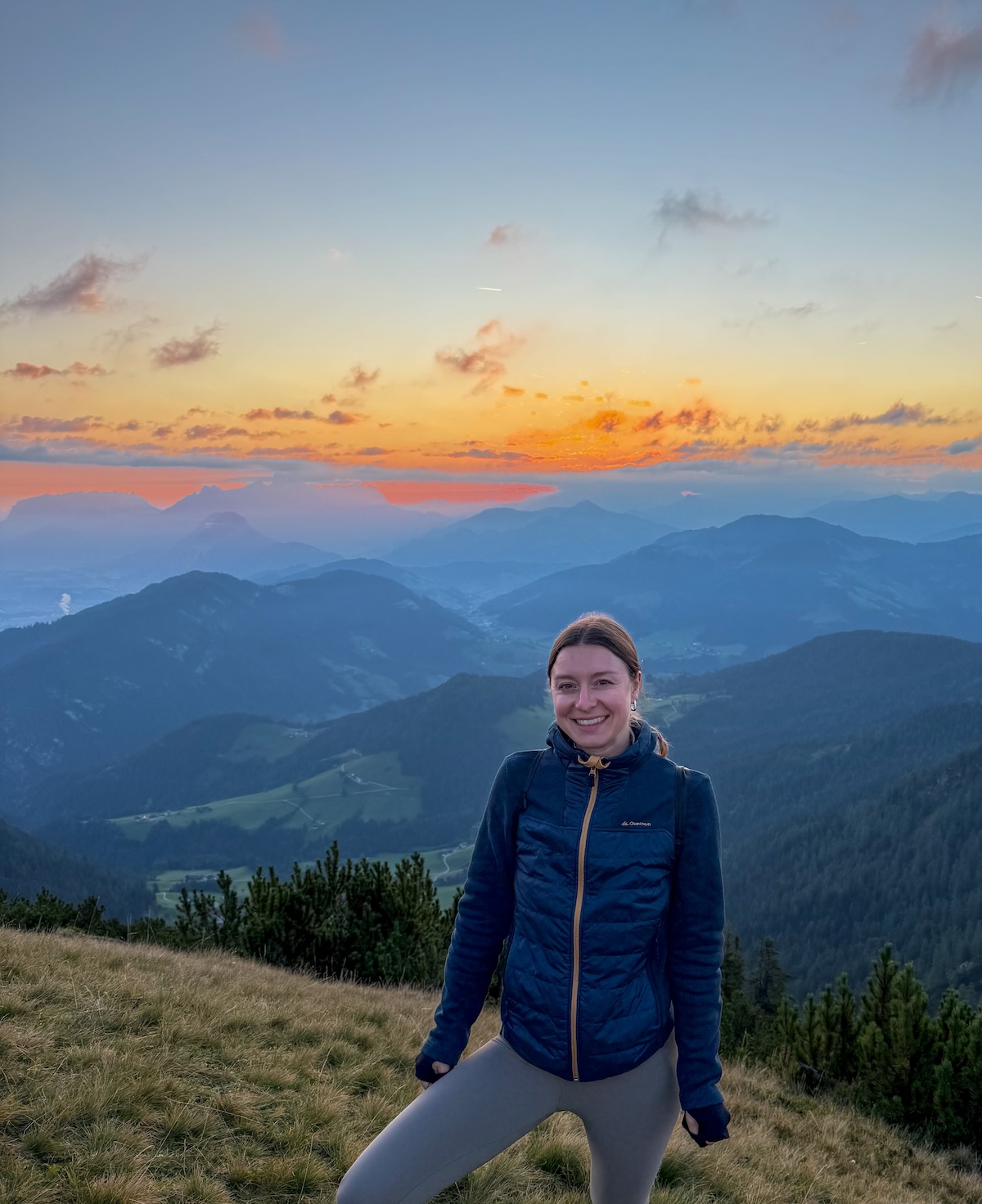
Eines meiner „Off topic“ Highlights: Um 4 Uhr morgens startete die Wanderung hinauf auf die Gratlspitze. Inmitten des Sonnenaufgangs über den Alpen entstanden Gespräche, die man in einem Konferenzsaal wohl nie so führen könnte. Für mich ein Format, das inspiriert – Lernen und Austauschen in Bewegung.

Europe in the World – Abschlussdebatte

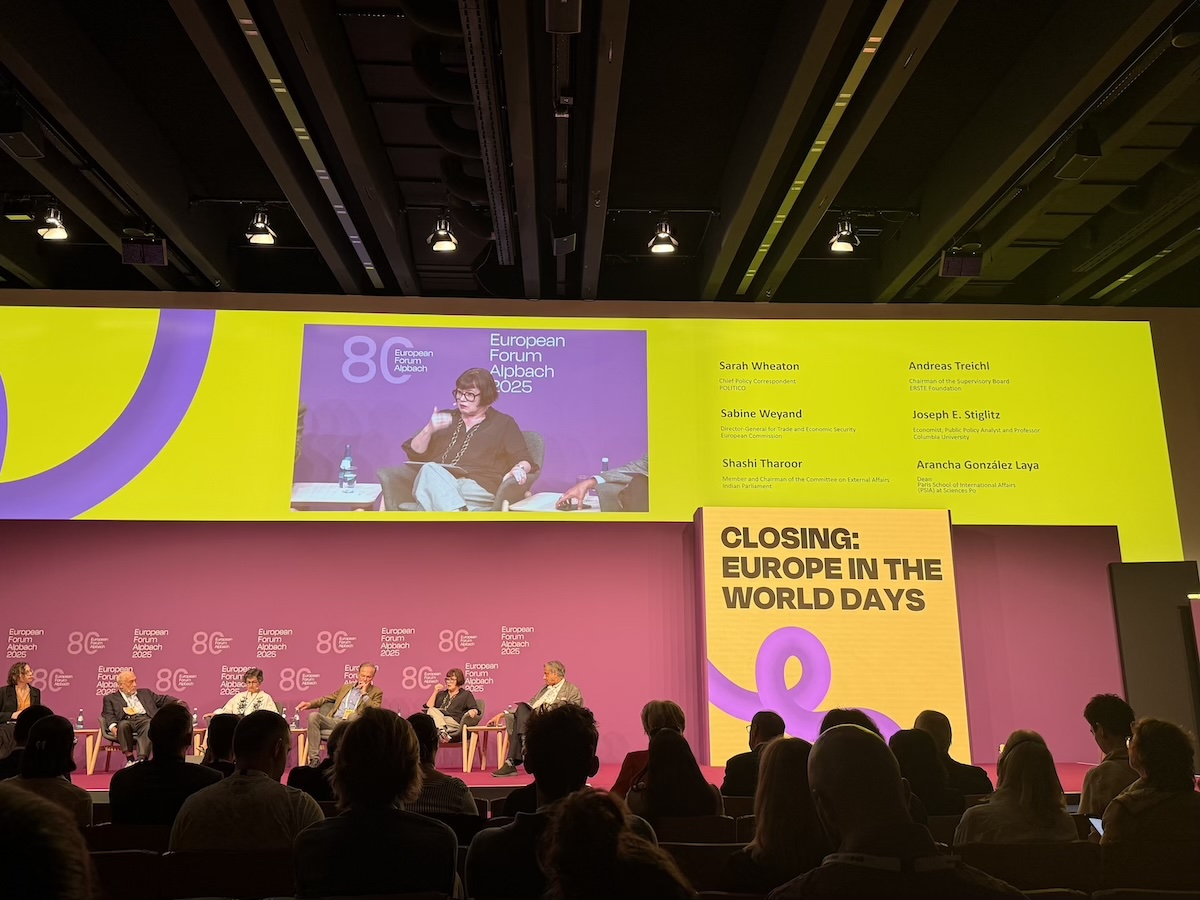
Zum Abschluss der Europe in the World Days beim European Forum Alpbach 2025 wurde klar: Die alte regelbasierte Ordnung, in der Europa florierte, existiert nicht mehr. „The order in which Europe was thriving is a thing of the past, and it will not come back. Nostalgia is not a strategy,“ betonte Sabine Weyand (Europäische Kommission). Während die USA sich zunehmend aus multilateralen Strukturen zurückziehen, sieht Arancha González Laya (Sciences Po) die Gefahr, dass Europa in eine „vierte Phase“ abrutscht: „The fourth stage of Europe’s evolution could be that we… become somebody else’s colony.“

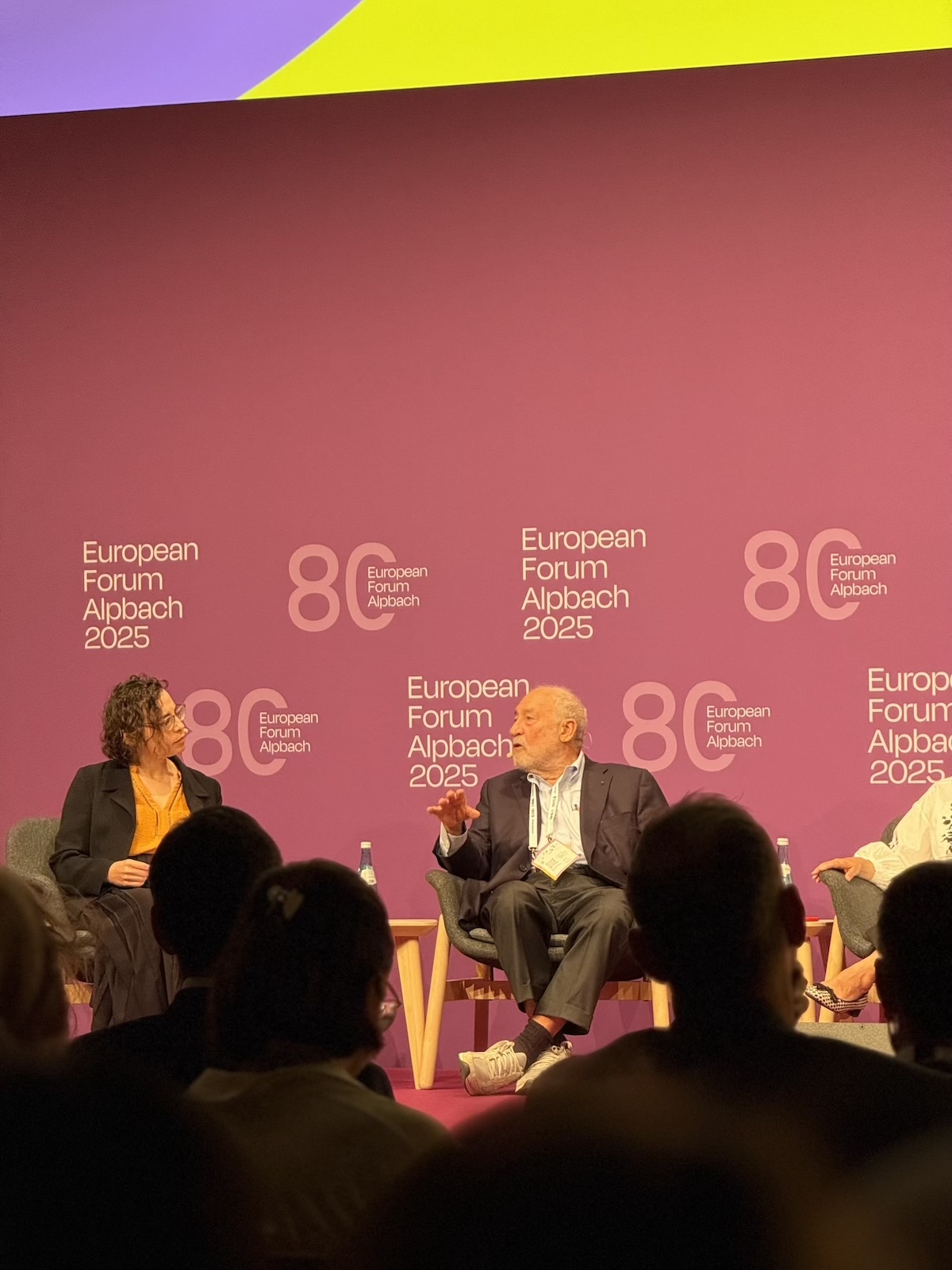
Die Panelist:innen waren sich einig, dass Europa nur durch tiefere Integration und neue Partnerschaften Stärke gewinnen kann. Shashi Tharoor (Indisches Parlament) fragte provokant: „Can Europe and India be a pole to ourselves and constitute an alternative to both the US and China?“ Andreas Treichl (ERSTE Foundation) warnte hingegen vor Europas Wehrlosigkeit: „We don’t fight with each other, but we let others kill us. This is a major change and we have no means to counter it.“ Für Nobelpreisträger Joseph Stiglitz liegt die Chance Europas in Regulierung und Wettbewerbspolitik: „If Trump says to Europe: Give up your competition policy or face 50% tariffs – what will Europe do?“ Klar wurde: Europa muss seinen Binnenmarkt vollenden, Innovation skalierbar machen und Allianzen ausbauen, sonst bleibt es Spielball einer härteren, multipolaren Welt.

  • Carina Stöttner – European Forum Alpbach6

  • Carina Stöttner – European Forum Alpbach4

  • Carina Stöttner – European Forum Alpbach1

  • Carina Stöttner – European Forum Alpbach2

  • Carina Stöttner – European Forum Alpbach7

  • Carina Stöttner – European Forum Alpbach10

  • Carina Stöttner – European Forum Alpbach11

  • Carina Stöttner – European Forum Alpbach16

  • Carina Stöttner – European Forum Alpbach12

  • Carina Stöttner – European Forum Alpbach9

  • Carina Stöttner – European Forum Alpbach14

  • Carina Stöttner – European Forum Alpbach23

  • Carina Stöttner – European Forum Alpbach21

Was bedeutet das für europäische Unternehmen und ihre Zukunftsstrategie?

  1. Resilienz stärken: Lieferketten diversifizieren, Abhängigkeiten von USA/China reduzieren und neue Partnerschaften suchen.
  2. Binnenmarkt nutzen: Europa als größten Heimatmarkt für Skalierung begreifen.
  3. Tech-Souveränität: weniger Abhängigkeit von US-Plattformen, europäische Alternativen einsetzen. Auch bei Software-Lösungen!
  4. Partnerschaften erweitern: Kooperationen mit dem globalen Süden als strategische Zukunftsoption, auch, um langfristig neue, junge Märkte zu erschließen.

Continue reading

Warum Futures Thinking zur Kernkompetenz wird

Foresight ist kein Denkmodell für Akademien oder Thinktanks, sondern ein strategisches Werkzeug für Unternehmen, die im Wandel Orientierung suchen. Ob in der Industrie, Verwaltung oder im Mittelstand: Wer mit Unsicherheit produktiv umgehen will, braucht Strukturen, Methoden und eine Kultur, die Zukunft mitdenkt.
Dieser Beitrag beantwortet fünf praxisnahe Fragen: Wie lässt sich Foresight im Unternehmen verankern? Was bringt es der Strategiearbeit? Und wie baut man dafür Kompetenzen auf?

Wie kann Foresight in Unternehmen integriert werden?

Foresight lässt sich auf verschiedenen Ebenen im Unternehmen verankern:

  • Strategisch: Als Impulsgeber für die Unternehmensstrategie, z. B. über Zukunftsszenarien oder Zielbilder.
  • Innovativ: Als Ergänzung zu Innovationsmethoden (Design Thinking, Agile) zur frühzeitigen Erkennung von Bedürfnissen, Technologien und Geschäftsmodellen.
  • Kulturell: Als Haltung, die Offenheit für Unsicherheit, alternative Denkmodelle und langfristiges Denken fördert.
  • Strukturell: Über dedizierte Rollen, Foresight-Units oder integrierte Teams in Strategie-, Innovations- oder Entwicklungsabteilungen.

Der Einstieg kann klein sein: ein erster Szenarienworkshop, ein Trendradar oder ein internes Foresight-Pilotprojekt.

Welche Vorteile bringt Foresight für die strategische Planung?

Strategisches Foresight erweitert den Planungshorizont – von der kurzfristigen Reaktion zur langfristigen Antizipation. Es ermöglicht:

  • Frühzeitige Orientierung in dynamischen Umfeldern
  • Identifikation von Chancen und Risiken, die klassisch-strategisch übersehen würden
  • Bessere Entscheidungsqualität durch systemische Sicht und alternative Perspektiven
  • Strategien mit mehr Resilienz – also Anpassungsfähigkeit bei unvorhersehbaren Entwicklungen

Foresight macht Strategien robuster, weil es Unsicherheiten nicht ausblendet, sondern einplant.

Wie hilft Foresight in Transformationsprozessen oder bei Unsicherheit?

Foresight ist besonders wertvoll, wenn „lineares Denken“ nicht mehr ausreicht:

  • In Transformationsprozessen öffnet es neue Möglichkeitsräume: Welche Zukunft wollen wir als Organisation? Was verändert sich strukturell?
  • In unsicheren Kontexten schafft es psychologische und strategische Sicherheit: Nicht die eine Lösung, sondern Orientierung im Möglichkeitsraum.
  • Es hilft, komplexe Zusammenhänge zu strukturieren und dabei unterschiedliche Sichtweisen zusammenzubringen (interdisziplinär, interhierarchisch, partizipativ).

Foresight unterstützt also nicht nur inhaltlich, sondern wirkt auch als kulturelles Veränderungsinstrument.

Welche Branchen profitieren besonders von Foresight?

Grundsätzlich gilt: Je höher die Unsicherheit, Dynamik und Komplexität, desto wertvoller ist Foresight. Besonders profitieren:

  • Industrie & Energie: zur Vorbereitung auf technologische Umbrüche, neue Wertschöpfungsketten oder geopolitische Risiken.
  • Militär: ursprünglich kommt Foresight aus diesem Bereich. Risikoplanung ist in der Verteidigung das A und O.
  • Gesundheits- & Bildungssektor: zur Mitgestaltung gesellschaftlicher und regulatorischer Veränderungen.
  • Mobilität & Logistik: zur Entwicklung robuster und nachhaltiger Geschäftsmodelle.
  • Öffentliche Verwaltung & Politik: für strategische Vorausschau, Standortentwicklung, Krisenvorbereitung.
  • Technologie & IT: als Innovationsmotor und Ethik-Reflexionsraum zugleich.

Wichtig: Es geht nicht nur um technologische Disruption – auch kulturelle, soziale oder ökologische Wandelprozesse sind Foresight-relevant.

Wie baut man eine interne Foresight-Einheit auf?

Ein unternehmensinternes Foresight-Team braucht mehr als ein Toolset – es braucht Raum, Mandat und Vernetzung. Wichtige Schritte:

  1. Verankerung auf Führungsebene: Foresight muss Teil der strategischen Diskussion sein.
  2. Start mit einem Pilotprojekt: z. B. Trendanalyse, Szenarienprozess oder Visionsentwicklung.
  3. Aufbau interner Kompetenzen: durch Schulungen, Sparrings, externe Begleitung.
  4. Netzwerke schaffen: zwischen Strategie, Innovation, HR, Technologie, Nachhaltigkeit etc.
  5. Zukunft als Dialog etablieren: partizipativ, iterativ, nicht nur Top-down.

Je nach Größe und Reifegrad kann Foresight als dedizierte Einheit, Stabsstelle oder integrierter Prozess angelegt werden.

Was ist strategisches Foresight und warum brauchen Unternehmen es gerade jetzt?

In einer Welt voller Unsicherheit, technologischer Sprünge und gesellschaftlicher Umbrüche wird eine Frage für Unternehmen zentral: Wie kann man heute kluge Entscheidungen für ein Morgen treffen, das man nicht kennt? Strategisches Foresight bietet keine Vorhersage – sondern eine methodisch fundierte Herangehensweise, um Zukünfte zu explorieren, Komplexität zu strukturieren und unter Unsicherheit Orientierung zu finden.
In diesem Beitrag beantworte ich fünf der häufigsten Fragen zum Thema – kompakt und praxisnah.

Was ist strategisches Foresight?

Strategisches Foresight ist die strukturierte Auseinandersetzung mit möglichen, wahrscheinlichen und wünschenswerten Zukünften. Es geht nicht darum, die Zukunft vorherzusagen, sondern darum, mehrere Zukünfte zu explorieren und zu verstehen, wie sich Systeme verändern können.

Die EU sagt: “Foresight is the discipline of exploring and anticipating future possible developments to shape the preferable future.”

Foresight nutzt qualitative und quantitative Methoden, um:

  • Zukunftsszenarien, Visionen und Orientierungsbilder zu entwickeln,
  • neue Geschäftsfelder zu erschließen,
  • oder innovative Produkte und Services zu denken – oft in Kombination mit agilen und Design-orientierten Innovationsmethoden.

Foresight ist ein Denk- und Reflexionsraum, der Organisationen ermöglicht, unter Unsicherheit klüger zu entscheiden. Einen guten Guide für den Beginn und eine Übersicht über Tools bietet das UN-Futureslab.

Wie unterscheidet sich Foresight von klassischer Strategiearbeit?

Klassische StrategiearbeitStrategisches Foresight
Lineare PlanungDenken in Alternativen, Szenarien
Fokus auf OptimierungFokus auf ungedachte Möglichkeiten
Orientierung an Vergangenheit und Ist-ZustandOrientierung an möglichen Zukunftsdynamiken
Reaktion auf bekannte TrendsAntizipation von Wandel und Emergenz
Ziel: Kontrolle und PlanungZiel: Orientierung und Handlungsfähigkeit

Foresight erweitert die klassische Strategiearbeit – und macht sie zukunftsfähig in einer Welt, in der Kontrolle allein nicht mehr ausreicht.

Worin besteht der Unterschied zwischen Foresight, Trends und Prognosen?

Diese Begriffe werden oft verwechselt – dabei erfüllen sie unterschiedliche Rollen:

  • Trends beschreiben bestehende, beobachtbare Entwicklungen (z. B. Digitalisierung, Individualisierung).
  • Prognosen versuchen, auf Basis von Daten eine bestimmte Entwicklung vorherzusagen (z. B. Marktvolumen in 2028).
  • Foresight geht einen Schritt weiter: Es nutzt Trends, um ihr Zusammenspiel zu analysieren, Konsequenzen zu durchdenken und mögliche Zukunftsverläufe sichtbar zu machen.

Foresight fragt nicht „Was wird passieren?“, sondern:

Was könnte passieren?
Was wollen wir möglich machen und was verhindern?

Warum ist Foresight wichtig für Unternehmen?

In Zeiten von Umbruch und Unsicherheit brauchen Unternehmen mehr als operative Exzellenz – sie brauchen Zukunftskompetenz. Foresight hilft, …

  • Veränderungen frühzeitig zu erkennen („weak signals“)
  • Entscheidungen robuster und vorausschauender zu treffen
  • innovative Potenziale zu erschließen
  • strategische Risiken zu erkennen und abzufedern
  • Führung und Kultur auf Zukunft auszurichten
  • und die Frage zu stellen: Was wäre, wenn…?

Foresight ist keine Spielerei – sondern eine zentrale Fähigkeit für resiliente, lernende Organisationen.

Welche Methoden nutzt man in der Foresight?

Foresight ist kein Bauchgefühl, sondern ein methodisch strukturierter Prozess, der je nach Zielstellung angepasst wird. Zu den wichtigsten Methoden gehören:

  • Szenarienentwicklung: Entwicklung alternativer Zukunftsbilder
  • Trend- und Signalbeobachtung: Identifikation relevanter Entwicklungen und Frühindikatoren
  • Delphi-Methode: Strukturierte Experteneinschätzungen
  • Wild Cards & Black Swans: Durchspielen extremer, unerwarteter Ereignisse
  • Backcasting: Vom gewünschten Zukunftsbild rückwärts planen
  • Futures Wheel: Konsequenzen durchdenken
  • Futures Triangle: Herausforderungen und Chancen durchleuchten
  • Systemanalyse / Causal Layered Analysis (CLA): Verstehen tieferliegender Muster und Narrative
  • Zukunftswerkstätten & Visioning: Wünschenswerte Zukünfte gemeinsam gestalten

Foresight-Methoden lassen sich flexibel mit Innovationsprozessen, Strategieentwicklung und Change-Programmen verknüpfen.

Sie wollen Foresight einsetzen?

Foresight Methods for Planning Ahead

The future can’t be predicted — but it can be shaped. To help companies build resilience in a complex world, I work with established and emerging methods from futures research. The question at the center is always the same: how do you turn what we know today into decisions that hold up tomorrow?

Here’s an overview of the methods I and the Futurewise Company work with regularly.

The Delphi method

What is the Delphi method?

Delphi is a qualitative method used in futures research. Over several rounds, experts from different fields are systematically asked to assess how the future might develop. The method was developed at the RAND Corporation and takes its name from the ancient oracle at Delphi.

The first step is in-depth interviews with a selected panel of experts (15 to 35 people). I condense what they say into hypotheses, which go back to the panel anonymously in a second round for assessment. What emerges is a well-grounded picture of possible developments.

What is Delphi good for?

  • Broadening perspective
  • Assessing trend and technology scenarios
  • Finding strategic direction under high uncertainty

In practice

I reach for Delphi when I want to go deeper with a leadership team: where are the future growth opportunities for their company, and where are new risks emerging? We talk to politicians, academics, potential customers and consumers, and also to other entrepreneurs and start-ups. We go into those conversations together and try to understand where the real ruptures are happening. What makes it interesting is that most of what comes out of it isn’t in the headlines or the reports. These interviews give us a direct look into the engine room, or behind the closed doors where political decisions get made.

Scenario analysis

What is scenario analysis?

Scenarios are narrative, plausible futures built from assumptions, drivers and uncertainties. They help companies understand different paths ahead and make strategic decisions that hold up across more than one of them.

Originally coined by Herman Kahn and famously used by Shell to navigate the oil crisis, the method lets you play developments through and see what they would mean for your business model.

What are scenarios good for?

  • Identifying strategic options
  • Working through uncertainty
  • Communicating complex pictures of the future

In practice

There are dozens of ways to build scenarios. In the video below I explain three of them briefly. Simple approaches like the 2×2 matrix work well with clients when we want to think a specific question through efficiently from several directions: what happens if our customer segment’s purchasing power keeps growing — and what if it stalls? What if demand for technology X stays niche — and what if it turns into a mass market? It’s a fast, straightforward way to play out different developments. When a discussion inside a team is getting heated, it particularly helps everyone step back and look at all the possible directions as objectively as they can.

Backcasting

What is backcasting?

Backcasting doesn’t start in the present but in a future worth having. From there we work systematically backwards, deriving the steps that lead to it. That opens up radically different perspectives and breaks through mental blocks.

I work with leadership teams to define a clear picture of the future, then develop short-, medium- and long-term strategies from it together.

What is backcasting good for?

  • Developing strategies that are visionary and realistic at once
  • Breaking the habit of short-term reaction
  • Giving innovation or transformation programs a strategic direction

In practice

Talking about the future generates plenty of good ideas. The problem is that back in the here and now, nobody in the operating business suddenly has time to work on long-term topics as well. Backcasting is a great way to show that if we haven’t delivered Y by point X, the vision we developed won’t become reality. It creates accountability and breaks a big vision down into manageable, actionable steps.

The Futures Triangle

What is the Futures Triangle?

The Futures Triangle, developed by Sohail Inayatullah, analyzes three forces that shape any future:

  • Push: the drivers of the present
  • Pull: compelling visions of the future
  • Weight: the structures of the past that hold things back

The method helps make visible the tensions within which strategic decisions actually play out.

What is the Futures Triangle good for?

  • Analyzing contradictory demands on the future
  • Setting strategic priorities
  • Reflecting on cultural and structural blockers

In practice

“We discussed this three years ago and it didn’t work then, so now it’s off the table.” I hear some version of that in every company I work with. This method is well suited to making those beliefs visible and asking why they exist in the first place. And it applies not only to the past and present but to the future too. Take hyped trends: they can be seductive, and plenty of companies jump straight on board. But is it hype or a long-term opportunity? The Futures Triangle helps you look at that more closely.

The Futures Wheel

What is a Futures Wheel?

The Futures Wheel, developed by Jerome C. Glenn, is a visual thinking tool for systematically mapping the direct and indirect consequences of an event or a trend.

At the center sits a single impulse — a technological innovation, for example. From there we work outward in concentric rings through first-, second- and third-order effects.

What is the Futures Wheel good for?

  • Analyzing developments systemically
  • Getting teams involved in creative thinking about the future
  • Spotting the risks and side effects of early decisions

In practice

Anyone can think a single trend through: AI will take over a large share of graphic design work. The Futures Wheel helps you think one step further. Does that mean those jobs become redundant — and if so, which parts of them? Or does it mean a graphic designer can now handle ten commissions a day instead of one, and eventually has to, because clients increasingly expect lower prices? And if that’s right, being a graphic designer means becoming an AI tool manager running ten tasks in parallel. Which means I need people who can handle that simultaneity. The pressure in the job goes up, and so do the demands on how people think. What does that mean for managing staff, for burnout rates, for how agencies distribute work? A Futures Wheel helps you follow developments like that all the way through.

Trend radar

What is a trend radar?

A trend radar is a structured analytical tool that captures, assesses and visualizes relevant trends and weak signals for use in strategy work. Trends are positioned according to their relevance and their level of uncertainty.

I build trend radars for sectors, technologies or specific questions — the future of work, of industry or of sustainability, for instance.

What is a trend radar good for?

  • Strategic early warning
  • Identifying fields for innovation
  • Communicating knowledge about the future inside the company

Not sure which method fits your question best? I’m happy to help you choose one and put it into practice.